Indonesia oil and gas bill returns to agenda
Indonesia’s long-delayed oil and gas bill is back on the agenda, and that matters because the draft could reshape how the country controls upstream resources, allocates investment and builds strategic fuel reserves.
Energy and Mineral Resources Minister Bahlil Lahadalia told lawmakers the revision has been handed to the executive branch and that the government will coordinate with the state secretariat to move discussions forward. The answer came after a member of parliament asked why the legislation, first set for deliberation on Aug. 18, had seen no visible follow-up. For investors, the key point is not just that the bill is moving again — it is that Jakarta is signaling a more centralized, state-led model for a sector that remains vital to Indonesia’s energy security and fiscal balance.
The draft points to a new special business entity, or BUK Migas, that would replace SKK Migas as the upstream manager. Under the proposal, the entity would be tasked with overseeing upstream operations, selecting contractors, signing production-sharing contracts, approving work plans and budgets, and even investing part of the oil and gas fund alongside the sovereign wealth fund, the Indonesia Investment Authority. That is a significant institutional shift. If enacted as written, it would consolidate more power under the state while also creating a single point of contact for project approvals — something foreign operators and domestic producers will watch closely.
Why does that matter economically? Indonesia is still dependent on imported fuel and needs new investment to slow the decline in mature oil fields and support gas development. The draft’s emphasis on strategic reserves, buffer stocks and operational inventories suggests policymakers want a tighter grip on supply resilience after years of exposure to global price swings. Brent-linked costs have a way of feeding quickly into subsidies, inflation and the trade balance, so a better upstream framework could eventually reduce pressure on public finances. The bill also envisages a fund financed by a share of net oil and gas receipts, bonuses and levies, with money directed toward exploration, infrastructure and research — a reminder that the government is trying to pair resource nationalism with long-term supply building.
For investors, the market relevance runs in two directions. On one side, clearer rules and a more streamlined authority could be positive for contractors and producers if it shortens approval times and improves coordination. On the other, the proposal reinforces the state’s central role, which could mean tighter oversight, more political influence over contract terms and a less flexible operating environment. That tension is especially important for international energy companies weighing capital deployment in Indonesia, where regulatory clarity has often mattered as much as geology.
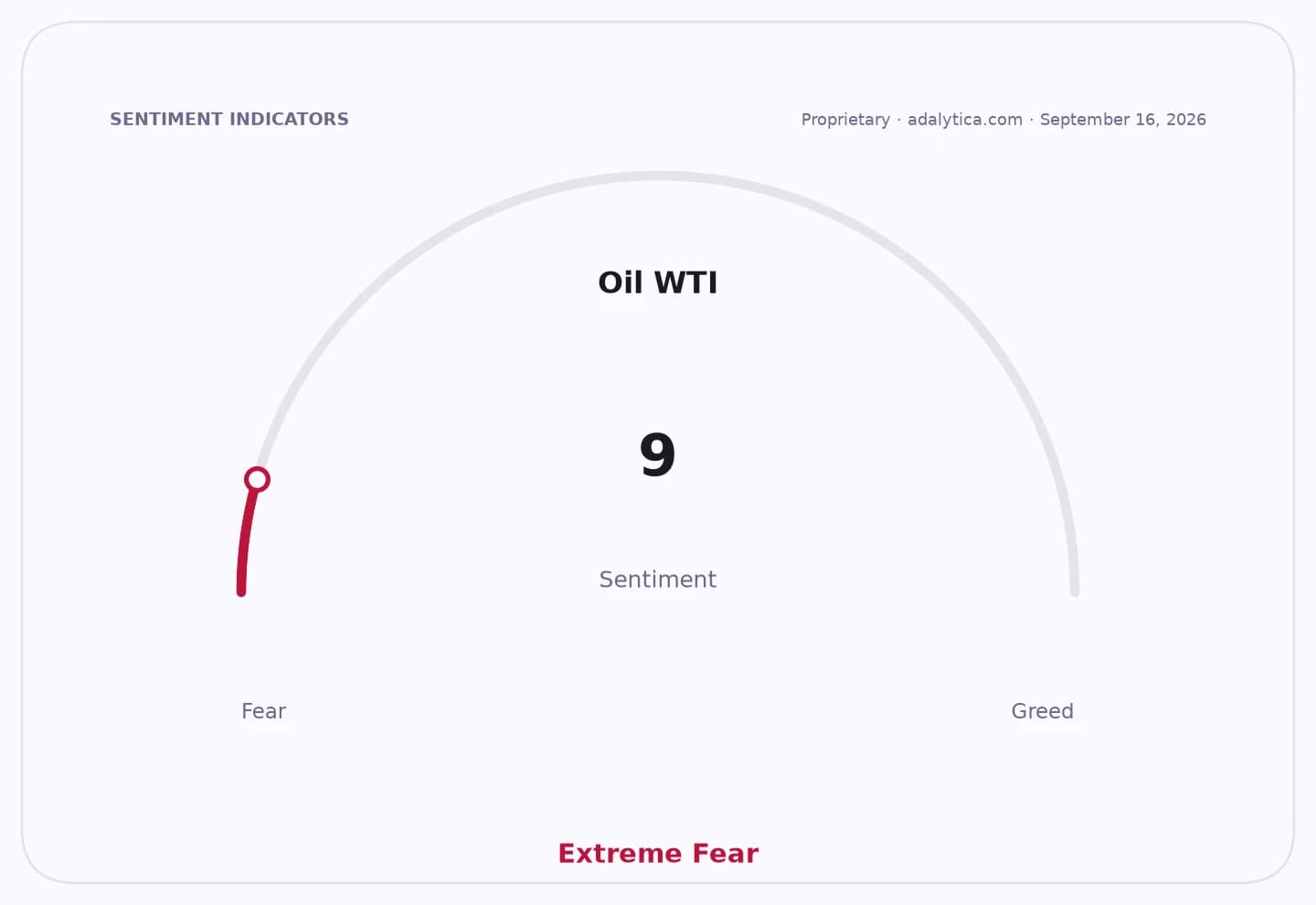
Oil markets are also part of the backdrop. U.S. crude futures have been volatile around the high-$90s a barrel, while Adalytica’s oil trade signals show extreme fear even as awareness remains elevated. In plain terms, investors are still nervous about the direction of energy prices, and that makes policy moves in a major importer like Indonesia more relevant than usual. A reform that improves domestic supply would be welcome in a world where global crude and geopolitical risk remain unstable.
The bill is still a draft, and the final shape will depend on the coordination between ministries, parliament and presidential approval. But the direction is clear: Indonesia is trying to modernize its oil and gas framework without giving up state control. For long-term investors, that makes the sector worth watching, especially if the new rules improve reserve replacement, attract capital and support better returns across the energy value chain.
| Entity | Gains | Losses |
|---|---|---|
| Indonesian government | ▲More control over upstream assets | ▼Less policy flexibility |
| Oil and gas contractors | ▲Clearer approval process | ▼Tighter state oversight |
| Consumers/importers | ▲Better supply security | ▼Less room for quick market pricing |
| Existing SKK Migas framework | ▲— | ▼Replacement by BUK Migas |