Indonesia Oil Officials Call for More Upstream Investment
Oil markets are reminding investors that supply gaps do not fix themselves, and the businesses that can turn underground resources into actual barrels and cash flow are the ones that matter most.
That is the core message from Indonesian oil and gas industry officials, who say the sector needs more than discoveries to lift production and strengthen energy security. It needs a functioning ecosystem that can move a resource into reserves, then a project, then investment, and finally output. For investors, that is where the real economic value is created: not in finding hydrocarbons, but in financing, approving and executing the projects that bring them to market.
Chairman Andre Wijanarko of the Indonesian Petroleum Engineers Association said closing the production gap requires policy certainty, competitive project economics and disciplined execution. In other words, the bottleneck is not geology alone. It is everything between the wellhead and the balance sheet: regulation, infrastructure, technology, decision-making and access to capital.
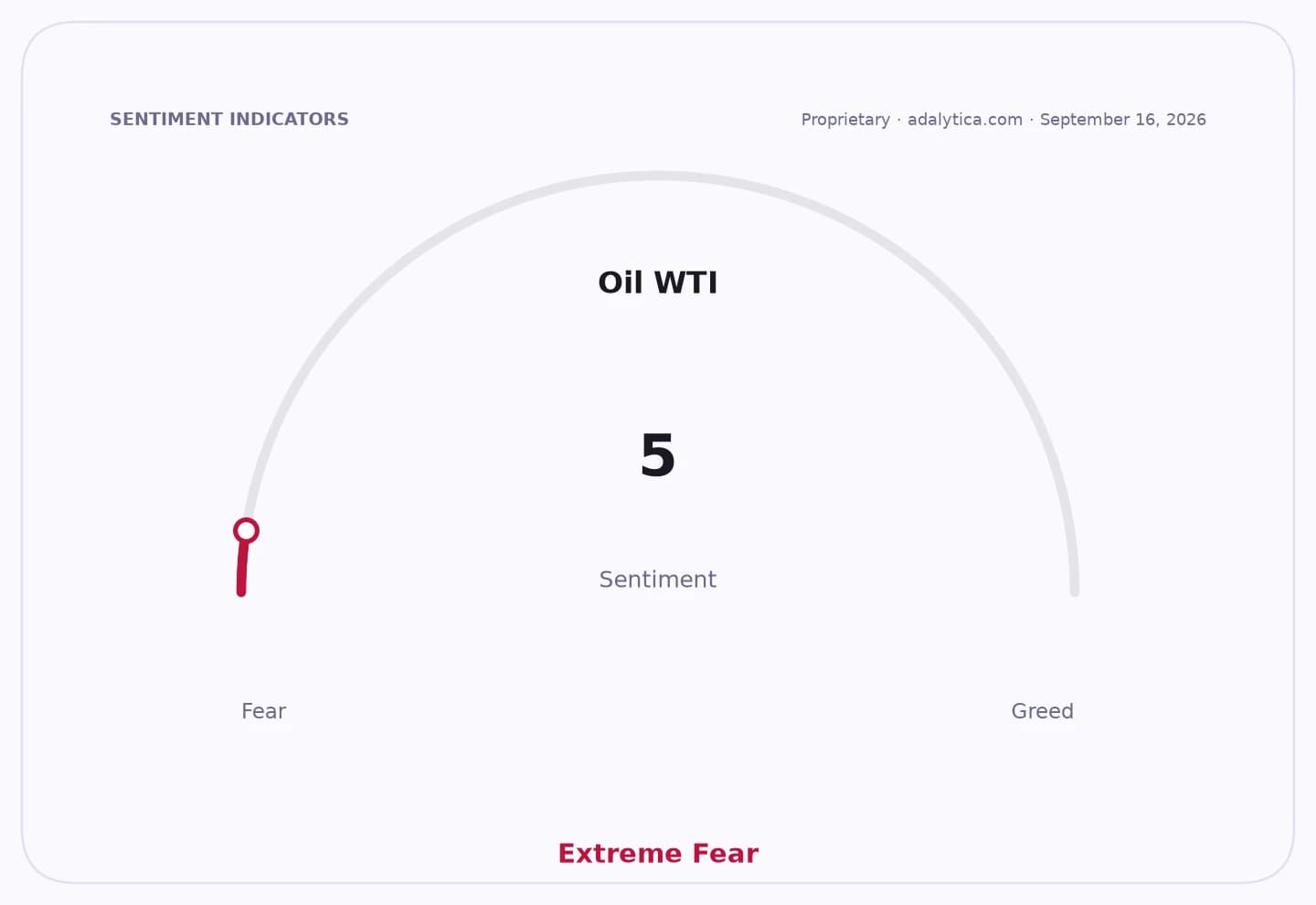
That matters far beyond Indonesia. Global oil prices have been volatile, with WTI trading around $97 a barrel in recent days and still reflecting a tight supply backdrop. At the same time, the benchmark ten-year U.S. Treasury yield near 5% underscores how expensive capital has become, which makes upstream investment more selective and raises the hurdle for new projects. When financing costs rise, only the most resilient developments make it through, and that can widen the production gap if governments and operators fail to keep projects moving.
The market is already telling that story. Energy stocks have outperformed, with the Energy Select Sector SPDR Fund recently climbing to the mid-$60s, above both its 50-day and 200-day moving averages. The Oil & Gas Exploration & Production ETF has also surged, a sign that investors are rewarding producers with exposure to strong prices and disciplined capital allocation. But those gains also reflect a harsher reality: supply remains fragile, and the companies best positioned are the ones with existing reserves, low-cost fields and the ability to execute quickly.
That is why exploration spending still matters even in a world obsessed with capital discipline. Without fresh drilling and investment in midstream and production infrastructure, reserves eventually decline and the gap between demand and supply widens. For countries that rely on imported fuel, that means more exposure to price spikes, inflation pressure and trade deficits. For producers, it means stronger pricing power — but only if they can bring new supply online.
For long-term investors, the lesson is simple. Energy is not just a commodity story; it is a capital-allocation story. Companies with strong balance sheets, proven reserve replacement and the ability to turn exploration into production deserve a place on the watchlist. Those that cannot execute are likely to fall behind, no matter how much oil remains in the ground.
| Entity | Gains | Losses |
|---|---|---|
| Upstream producers | ▲Higher prices, stronger margins | ▼Volatility and execution risk |
| Import-dependent countries | ▲More incentive to diversify supply | ▼Higher energy costs |
| Energy investors | ▲Cash flow and pricing power | ▼Missed gains if projects stall |
| Service firms and drillers | ▲More exploration spending | ▼Weak capital discipline if cycles fade |