Indonesia Keeps One China Policy After Taiwan Criticism
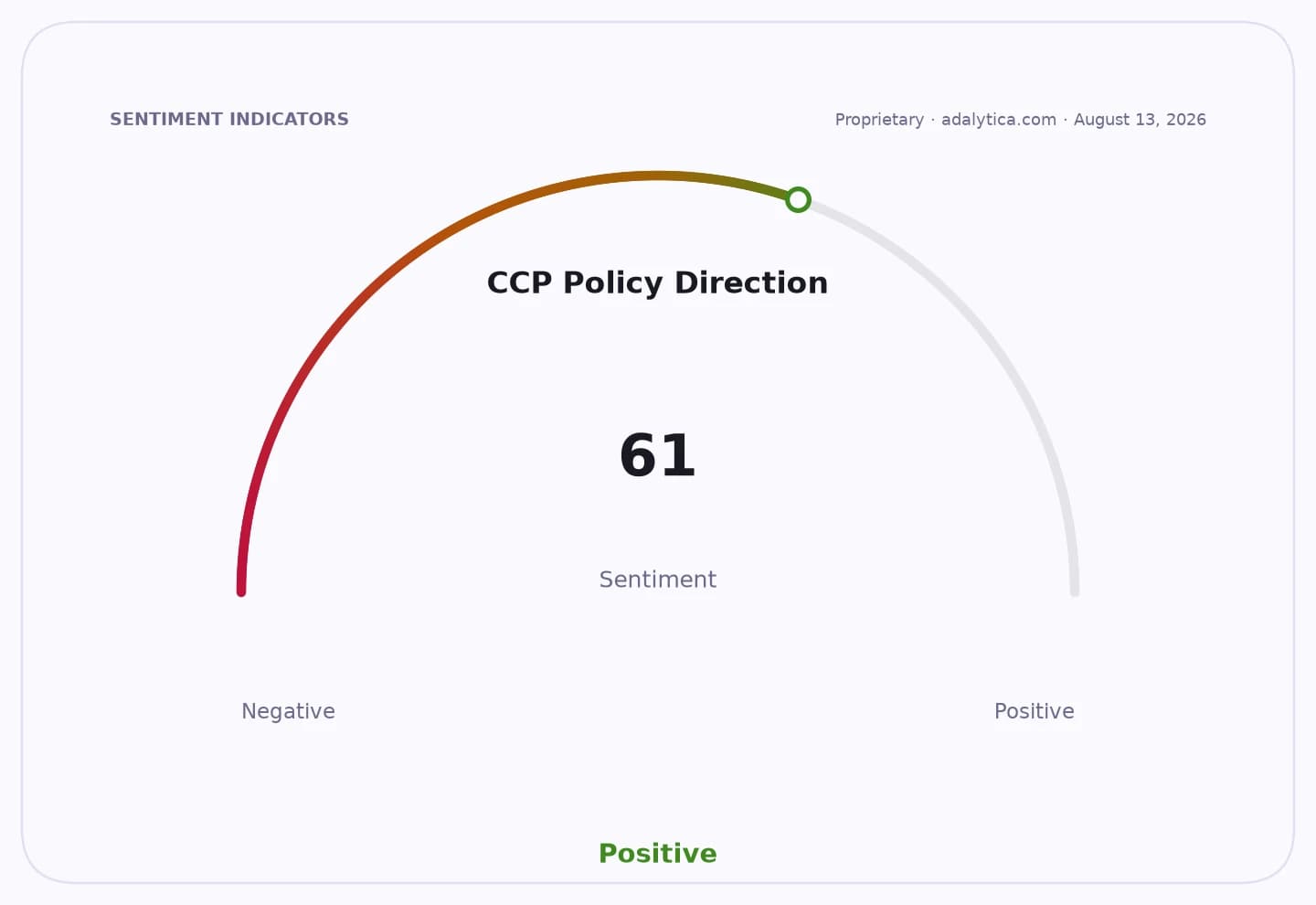
Indonesia’s refusal to budge on its One China policy after criticism from Taiwan keeps the country aligned with Beijing at a time when Asia’s geopolitical fault lines are getting sharper, and that matters for investors because diplomatic posture in the region can shape trade flows, capital sentiment and the risk premium on emerging-market assets.
For long-term investors, the immediate market question is not whether this dispute moves a stock today, but whether it nudges Indonesia’s investment climate in a more predictable or more vulnerable direction. Jakarta’s position signals continuity in foreign policy, which usually appeals to trade partners and multinationals that value stability over confrontation. At the same time, it reinforces the reality that Southeast Asian economies are increasingly forced to balance ties with China against relationships with other democracies, including Taiwan and the U.S.
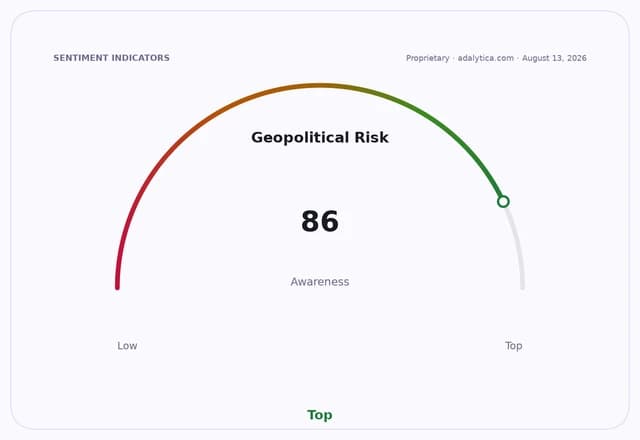
That balance matters economically because Indonesia is one of the region’s biggest markets and a key beneficiary of supply-chain diversification away from China. If diplomatic friction were to spill into commerce, it could complicate investment decisions in manufacturing, commodities and consumer goods. For now, though, the broader message is that Indonesia is choosing strategic consistency over public confrontation, a stance that reduces the odds of an abrupt policy shift but also leaves it exposed to pressure from multiple sides.
The market backdrop shows investors are already sensitive to China-related risk. Shares of the iShares MSCI Indonesia ETF, which trades under EIDO, remain well below their 200-day moving average even after a rebound, while the ETF’s 50-day average is still far under the longer trend. That tells you the Indonesian equity market is trying to stabilize, but not yet convincing investors that the downtrend is over. Technical indicators such as RSI and MACD have improved from deeply oversold levels, suggesting the recent bounce has some momentum, but the bigger picture is still one of caution.
China-linked risk is also hanging over regional sentiment more broadly. Adalytica’s Global Stability Sentiment is elevated, while its U.S.–China Relations Sentiment remains in extreme fear territory, underscoring how easily geopolitical headlines can affect capital allocation in Asia. In that kind of environment, countries that look steady and investment-friendly can attract flows, while those caught in diplomatic crossfire can see risk premiums rise.
Taiwan’s criticism may not move Indonesia’s policy, but it does remind investors that Southeast Asia is not insulated from great-power politics. The more important takeaway is that policy continuity can be a competitive advantage, yet it is not a shield against regional instability. For investors with a multi-year horizon, Indonesia still belongs on the watchlist: the long-term opportunity remains intact, but the geopolitical backdrop argues for patience, diversification and a focus on businesses with strong balance sheets and durable demand.
| Entity | Gains | Losses |
|---|---|---|
| Indonesia | ▲Policy continuity | ▼Diplomatic flexibility |
| Taiwan | ▲Public attention | ▼Influence on Jakarta |
| China | ▲Regional alignment | ▼Less room for pressure |
| Emerging-market investors | ▲Clearer policy backdrop | ▼Short-term geopolitical noise |