Indonesia PPHN debate on long-term economic policy
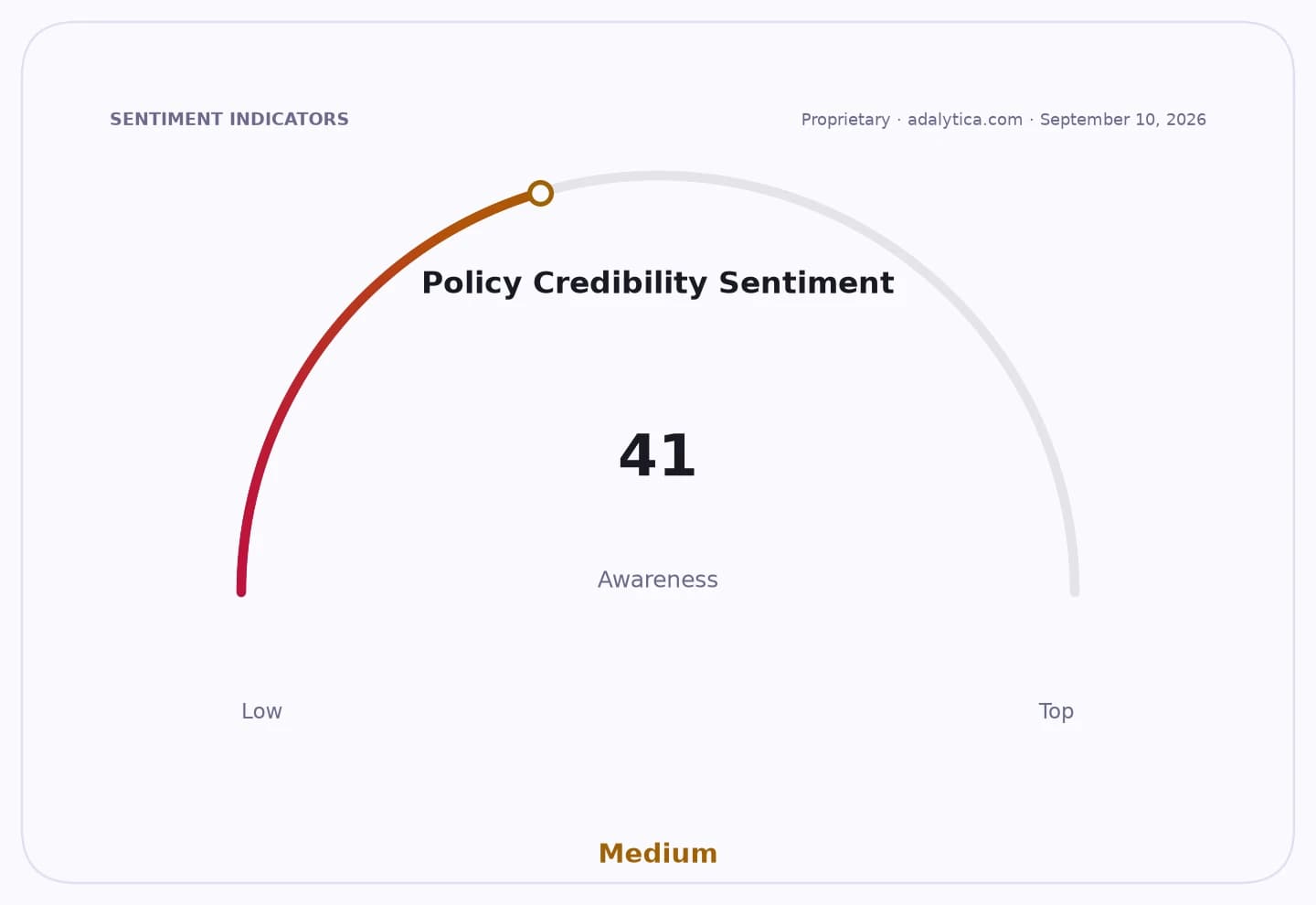
Fahri Bachmid’s push for Pokok-pokok Haluan Negara, or PPHN, is becoming a larger policy debate because it goes to the heart of whether Indonesia can lock in long-term economic direction across changing administrations.
The constitutional law expert said PPHN would act as a “compass” for national development, keeping policy aligned with sovereignty, welfare and the Pancasila framework rather than shifting with each election cycle. That matters economically because Indonesia’s infrastructure drive, industrial policy and social spending all depend on continuity; investors typically reward countries that can sustain priorities beyond one presidential term.

Bachmid argued that PPHN should be treated not as a technical planning document, but as a philosophical and long-horizon guide binding all state institutions. That distinction is central to the policy fight. Indonesia already has a statutory planning system through the National Long-Term Development Plan, or RPJPN, under Law No. 25/2004. The question is whether that framework is strong enough to outlast political turnover or whether the state needs a higher-order instrument to reduce policy reversals.
He said the most workable legal form would be a TAP MPR, or People’s Consultative Assembly decree, because it would sit below the 1945 Constitution but above ordinary law. In practical terms, that would give PPHN more durability without rewriting the constitution. Supporters see that as a way to strengthen policy credibility, improve continuity in capital allocation and reduce uncertainty for projects with long payback periods such as power, transport and downstream manufacturing.
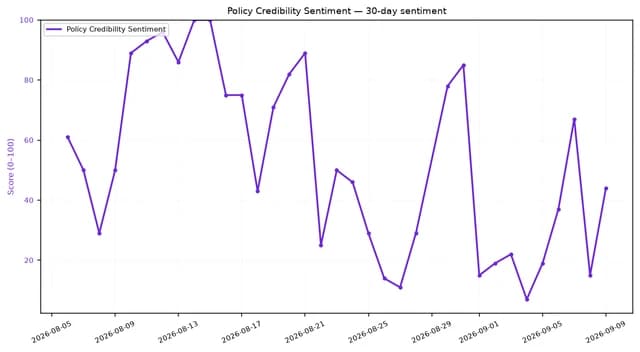
For investors, the upside case is straightforward: a more consistent state planning framework could lower execution risk and support longer-duration investment themes tied to industrialization and domestic demand. The bear case is that if PPHN becomes too rigid or politically contested, it could add another layer of legal ambiguity rather than simplify governance, especially if its relationship to the existing planning system is unclear.
The debate is likely to intensify because it touches both sovereignty and institutional design. If lawmakers settle on a form that is legally durable and politically acceptable, PPHN could become a tool for policy continuity. If not, it risks remaining a constitutional idea that is rhetorically powerful but economically irrelevant.
| Entity | Gains | Losses |
|---|---|---|
| Indonesian government | ▲Greater policy continuity | ▼More legal and political scrutiny |
| Long-term investors | ▲Lower policy uncertainty | ▼Less flexibility if rules harden |
| RPJPN framework | ▲Broader strategic backing | ▼Potential overlap with PPHN |
| Opponents of rigid planning | ▲Less influence over direction | ▼More centralized state guidance |