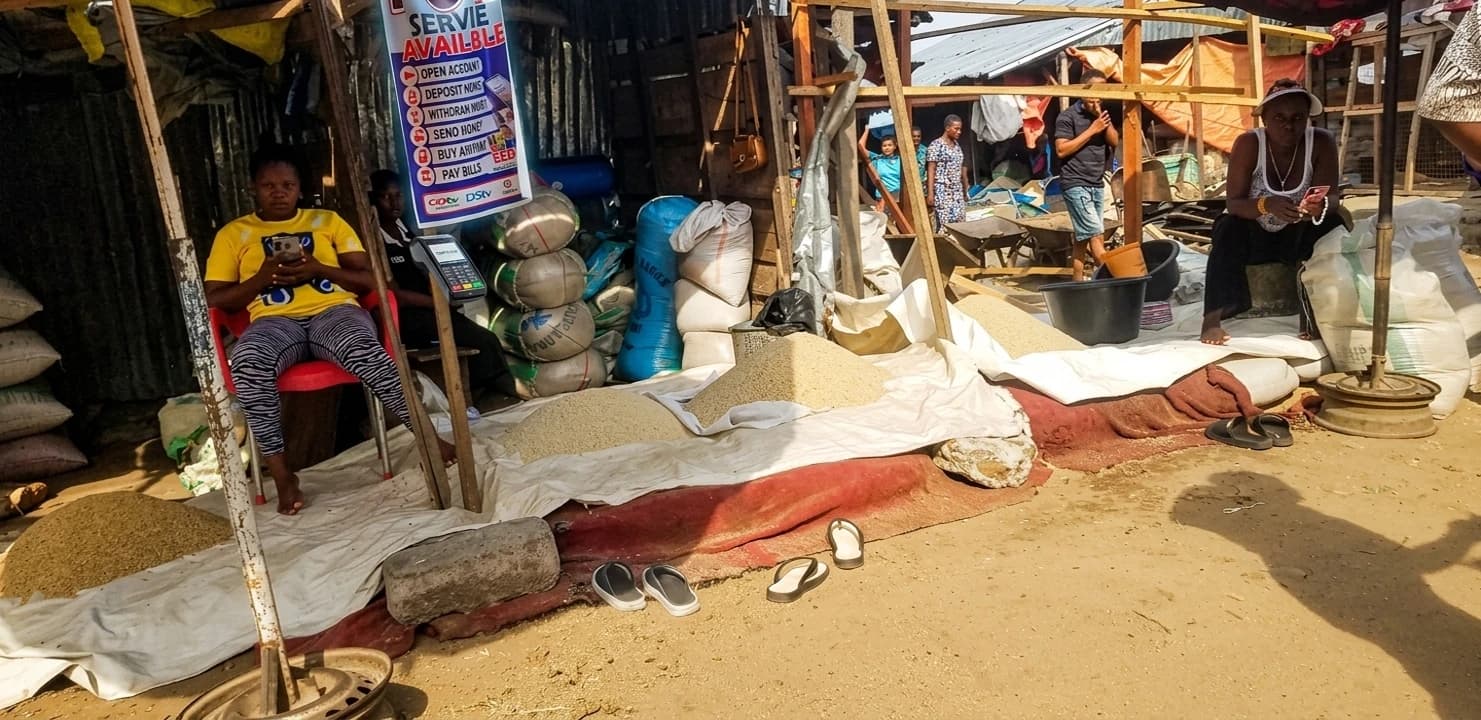
Indonesia’s state food agency Bulog is preparing to distribute rice food aid from July to September 2026, a move that underscores how central government intervention has become to keeping staple prices stable and households supplied.
Indonesia Readies Rice Aid to Stabilize Prices

The timing matters because rice remains one of the most politically sensitive and economically important commodities in Indonesia. Any shortfall in supply or delay in distribution can quickly filter into consumer inflation, squeeze lower-income households and force policymakers to lean harder on stockpiles and subsidies. A planned aid campaign over the third quarter signals that Jakarta is still treating rice as a frontline policy tool rather than a normal market good.
That backdrop helps explain why rice has become a broader market signal. Investors in food and agriculture are watching not just domestic procurement and logistics, but also whether the government can maintain availability without triggering distortions in farm-gate prices or fiscal costs. The state’s role in buying, storing and releasing rice can support consumers, but it can also unsettle private traders if interventions are poorly timed or too heavy-handed.
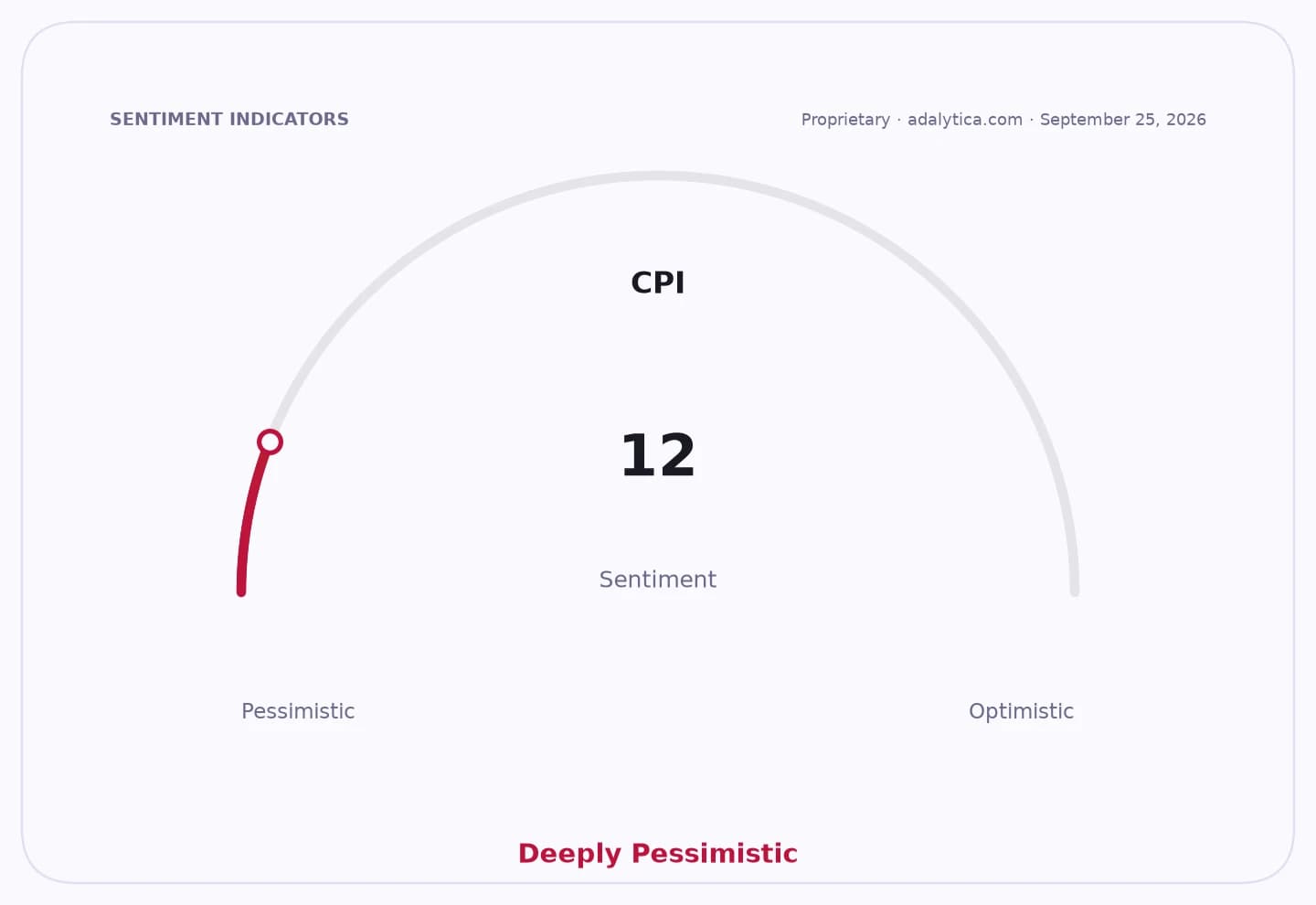
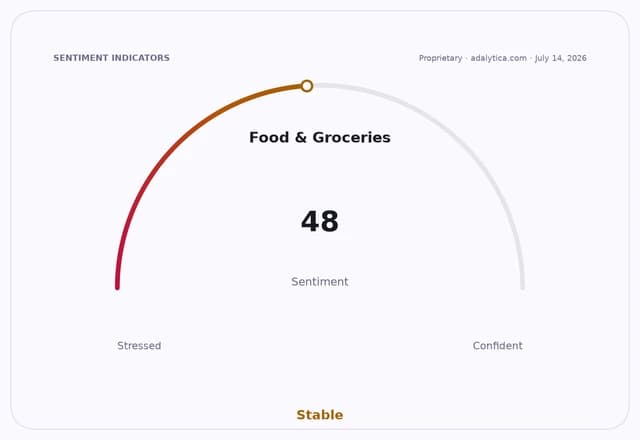
The latest market data show food staples remain under pressure, even as sentiment is mixed. Adalytica’s food and grocery spending gauge sits at neutral, with awareness still in fear territory, suggesting consumers remain alert to price shocks even if panic has eased. A separate CPI sentiment reading is in extreme fear, reinforcing the idea that inflation risks are still very much in focus for households and policymakers.
Food & Groceries — 30-day sentimentadalytica.com
Explore this data interactively — full history, time series and cross-market comparisons.Open AlphaPulse
At the same time, agricultural markets are not signaling outright stress. Corn prices have stabilized after a volatile stretch, while wheat and soybeans have edged higher, with both trading above their 50-day and 200-day moving averages. The technical picture suggests investors remain cautiously constructive on global grains, but it does not remove the domestic risk that a local supply disruption in rice could still lift food inflation in Southeast Asia’s largest economy.
For Bulog and the government, the key challenge will be execution. Successful distribution could ease price pressure and support consumption in the second half of 2026. But if stock management falters, the program could amplify concerns about procurement efficiency, strain public finances and keep food inflation elevated. For investors, that means Indonesia’s rice policy remains a critical variable for consumer spending, inflation expectations and the broader stability of the food economy.
| Entity | Gains | Losses |
|---|---|---|
| Bulog / Indonesian government | ▲Price stability, political cover | ▼Fiscal burden, execution risk |
| Low-income households | ▲Cheaper access to rice | ▼Less protection if distribution fails |
| Farmers / private traders | ▲Demand support from stock purchases | ▼Margin pressure if intervention distorts market |
| Inflation-sensitive investors | ▲Reduced shock risk if aid lands well | ▼Higher risk if aid is delayed or mismanaged |