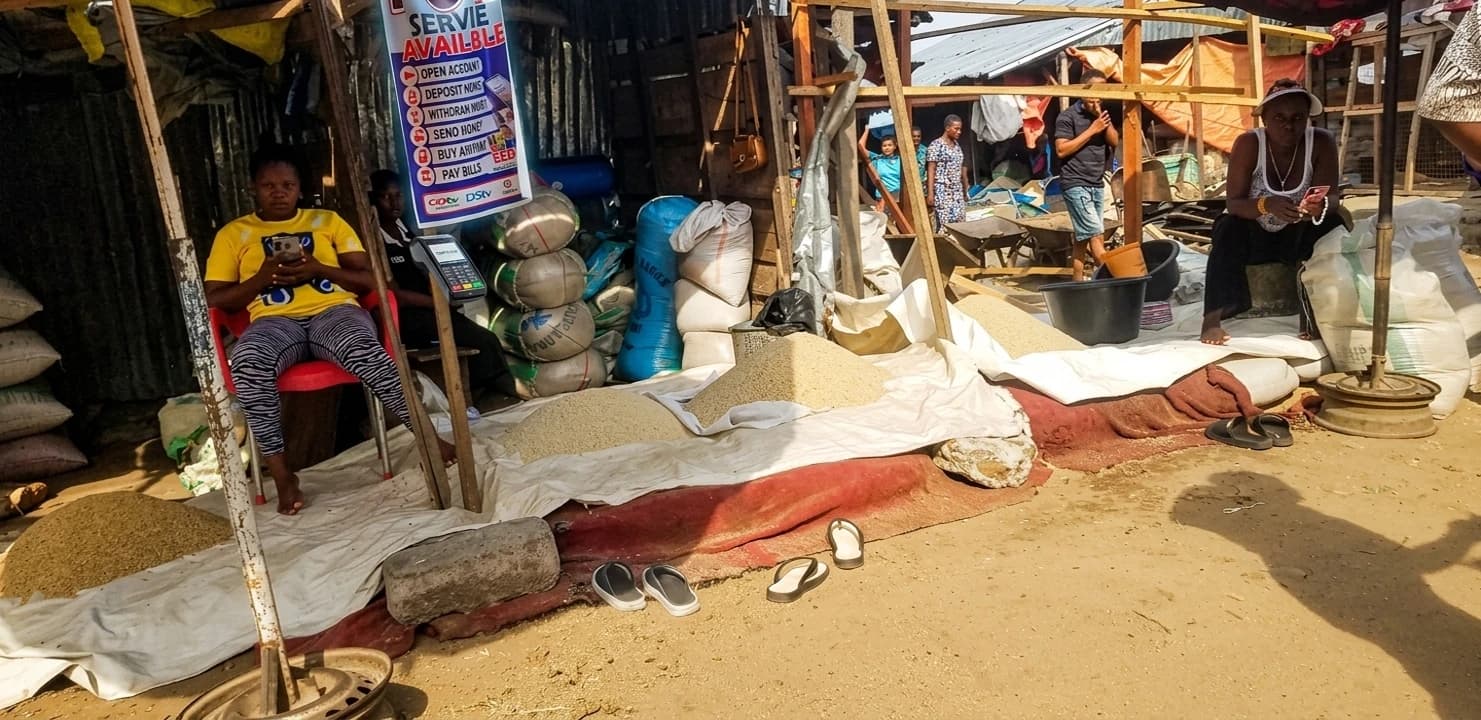
Indonesia’s state logistics agency said realization of subsidized rice distribution under the SPHP program has reached 678,870 tons, underscoring Jakarta’s attempt to steady staple-food prices and blunt the economic strain from elevated food inflation.
Indonesia Rice Distribution Seeks to Curb Food Inflation
The scale of the program matters because rice is the country’s most politically sensitive food item and a key driver of household spending. When rice distribution is delayed or insufficient, the pressure quickly feeds through to consumer prices, erodes real incomes and forces the government to spend more aggressively to protect low- and middle-income households.

The latest distribution figure suggests authorities are leaning on direct market intervention rather than waiting for prices to normalize on their own. That approach can help damp volatility in the short term, especially when domestic supply is under stress from weather disruptions, harvest timing and import-policy uncertainty. It also highlights the challenge facing policymakers: supporting affordability without creating distortions that discourage farmers or leave the state carrying a heavier procurement burden.
Food-price pressure remains a broader macro issue. Consumer inflation has shown enough persistence to keep food at the center of the policy debate, while commodity costs have been uneven and global energy and freight conditions still affect the broader supply chain. In that environment, rice distribution is not just a social-policy tool but a macro stabilizer that can help contain second-round inflation effects.
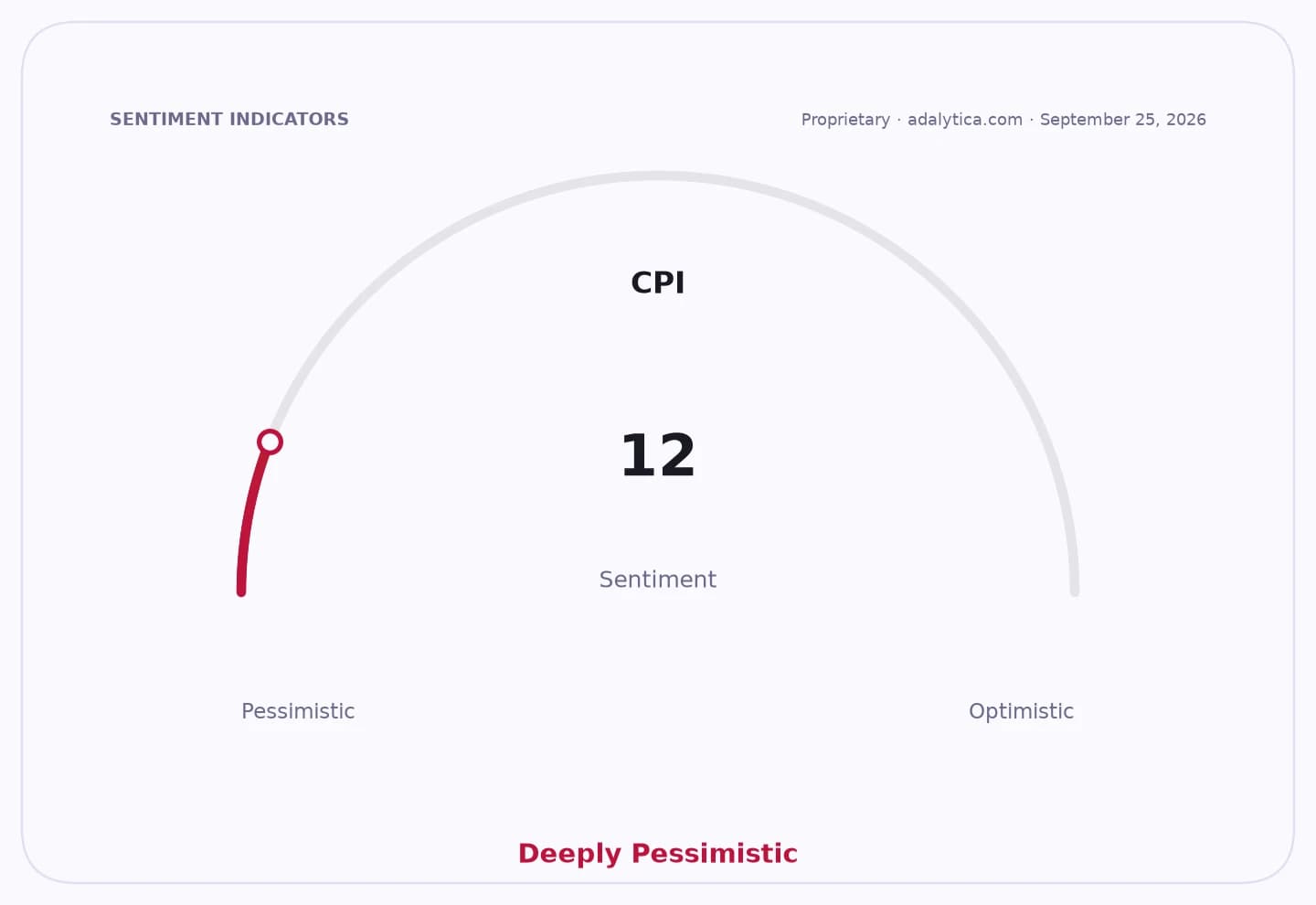
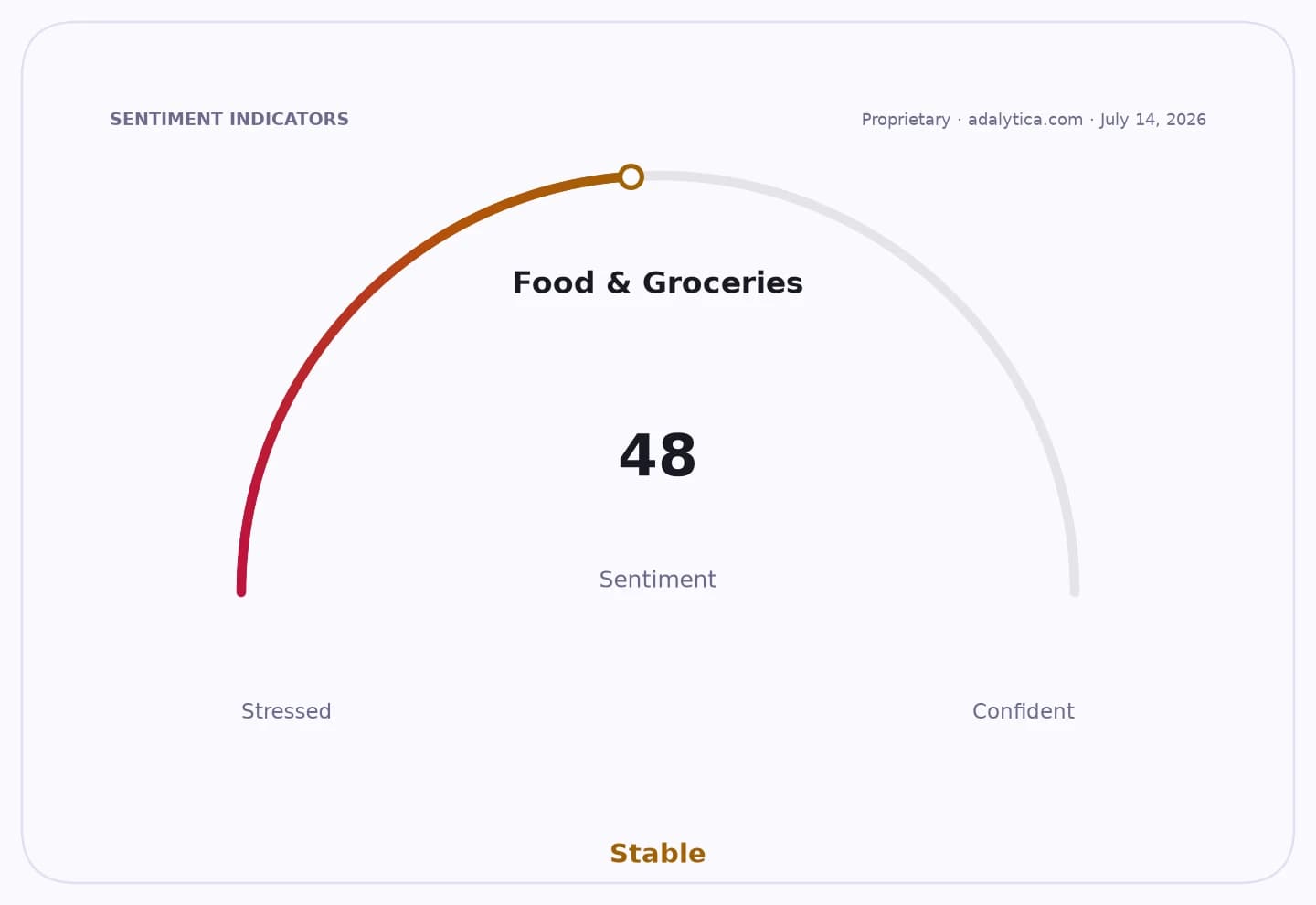
Food & Groceries — 30-day sentimentadalytica.com
Explore this data interactively — full history, time series and cross-market comparisons.Open AlphaPulse
For investors, the significance runs beyond Indonesian agriculture. A more forceful SPHP rollout can be negative for traders and import-dependent distributors if it suppresses local pricing power, but it may support downstream food manufacturers and retailers by improving supply visibility. It also points to continued demand for government-backed food security measures across Asia, a theme that can influence grains, processors and agribusinesses exposed to public procurement.
The key question is whether the government can sustain those deliveries without deepening fiscal or operational pressures. If distribution keeps pace with seasonal demand, rice prices should become more orderly; if not, food inflation could reaccelerate and force another round of intervention. For markets, that leaves rice policy one of the clearest near-term indicators of Indonesia’s inflation and consumer-spending outlook.
| Entity | Gains | Losses |
|---|---|---|
| Low-income consumers | ▲Better rice access | ▼Less exposure to price spikes |
| Government/Bapanas | ▲Political stability | ▼Higher procurement burden |
| Food retailers/processors | ▲More supply visibility | ▼Tighter pricing power |
| Traders/importers | ▲Volatility arbitrage | ▼Softer local pricing |