Indonesia Rice Stockpile Hits 5.1 Million Tons

Indonesia’s food agency said the country holds 5.1 million tons of rice, a stockpile officials say is sufficient to cushion the world’s fourth-most populous nation against El Nino-related supply stress and help limit a jump in staple food prices.
That matters because rice is not just a crop in Indonesia; it is a core inflation driver, a political pressure point and a test of government credibility. A large reserve gives Jakarta room to release supplies, stabilize retail prices and reduce the risk that weather shocks turn into a broader cost-of-living problem. For investors, the implication is that food inflation in Southeast Asia’s biggest economy may be easier to manage than feared, lowering the odds of a sharper policy response and supporting consumer-staples demand.
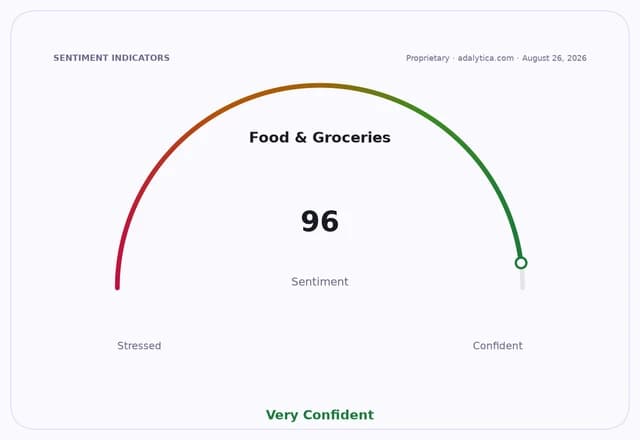
The stockpile claim also lands at a sensitive moment for global agriculture. Rice has already been under scrutiny as weather disruptions and shifting trade flows keep food markets tight, while households across Asia remain highly sensitive to price changes in basic staples. Indonesia’s assurance suggests the government is trying to pre-empt speculation that El Nino could force emergency imports or trigger a surge in domestic prices.
Market signals in grain-linked products point to the same theme: corn and wheat futures have been trading with elevated momentum, while broader agricultural exposure remains well bid. Corn has climbed to 19.59, its highest level in the data set, and wheat is near 25.63, with both posting strong readings on conventional technical gauges such as the 50-day moving average, RSI and MACD. The moves reflect a market still focused on weather risk, supply resilience and the possibility that tighter grain conditions could spill over into food inflation expectations.
For Indonesia, the key economic question is whether the 5.1 million tons can be deployed fast enough if dry conditions hit output or if distribution bottlenecks push local prices higher. The government’s ability to manage stocks is central to keeping headline inflation contained, especially in a country where food costs can rapidly feed through into consumer sentiment and policy debate.
The bullish case is that ample reserves, combined with state intervention, can bridge a seasonal or weather-driven gap without major disruption. The bearish case is that stock levels alone do not guarantee stability if harvest timing slips, logistics are strained or household demand remains firm. Investors will be watching for any signs of import needs, subsidy changes or retail-price adjustments, as those would determine whether Indonesia’s rice buffer proves to be a temporary reassurance or a durable shield.
| Entity | Gains | Losses |
|---|---|---|
| Indonesia government | ▲Inflation control | ▼Policy pressure |
| Consumers | ▲Stable rice prices | ▼Price spikes |
| Rice importers | ▲None | ▼Lower import demand |
| Grain traders | ▲Volatility trades | ▼Panic buying premium |