Indonesia rupiah rises on stronger consumer confidence
The rupiah got a timely boost from improving Indonesian consumer confidence in August, giving investors a reminder that currencies are ultimately driven not just by global dollar moves, but by the health of the domestic economy.
That matters because stronger consumer sentiment can support spending, growth and tax receipts, all of which help shore up confidence in Indonesia’s economic outlook and its currency. The rupiah was last around 17,531 per dollar on Sept. 10, firmer than levels seen earlier in the week, while the dollar-Indonesia exchange rate had also been trading close to 17,600-17,645 in recent sessions.
For long-term investors, the key point is that currency stability is not just a trading issue. A steadier rupiah can ease pressure on imported costs, help contain inflation and support corporate margins for companies that rely on foreign inputs. It also tends to improve the backdrop for Indonesian assets more broadly, including local equities and dollar-sensitive funds.
The move came alongside a more constructive read on Indonesia’s external position, with foreign exchange reserves reported at $146.5 billion. That reserve buffer gives Bank Indonesia more room to smooth volatility if global markets turn choppy, especially when the U.S. dollar is still a source of pressure.
Technical indicators suggest the rupiah has been trying to recover from a softer patch. The dollar-rupiah pair had been under the 50-day moving average recently, while the relative strength index had swung from deeply oversold readings to a more neutral zone, pointing to a market that is still fragile but no longer in free fall.
U.S.-listed Indonesia exposure has been mixed. The iShares MSCI Indonesia ETF, EIDO, closed at $12.90 on Sept. 10, above its 50-day moving average but still below its 200-day line, showing investors have started to return without yet declaring a full trend reversal. The iShares MSCI Indonesia Index ETF, IDX, was also steady at $11.72, though it remains below its 200-day average, a reminder that the long-term recovery is still incomplete.
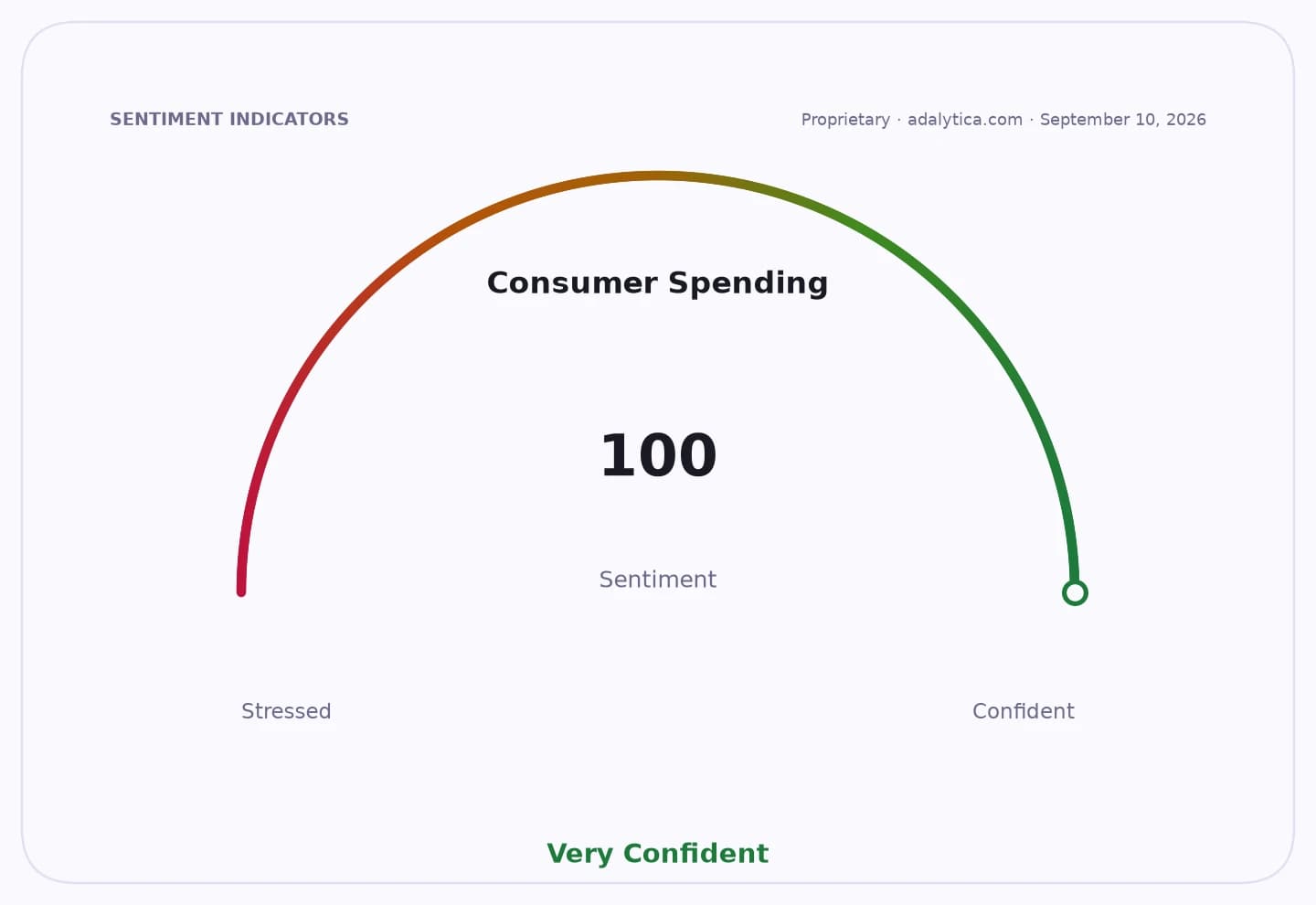
Adalytica’s Consumer Spending Sentiment gauge, meanwhile, sat at an “Extreme Greed” reading, with awareness still in “Extreme Fear.” That combination suggests optimism is building, but it has not yet translated into broad market conviction — exactly the kind of setup that can create opportunity for patient investors.
The broader lesson is simple: when domestic confidence improves and reserves remain healthy, Indonesia has a better chance of absorbing external shocks. If that continues, the rupiah could find more durable support, and investors willing to look beyond the next few sessions may want to keep Indonesian assets on their watchlist.
| Entity | Gains | Losses |
|---|---|---|
| Indonesian consumers | ▲stronger confidence | ▼weak purchasing power fears |
| Rupiah bulls | ▲currency support | ▼volatility traders |
| Indonesia asset investors | ▲steadier macro backdrop | ▼import-dependent firms with thin margins |
| U.S. dollar holders | ▲less one-way demand | ▼renewed upside if global risk aversion returns |