Indonesia Steel Makers Face Weak Demand and Imports
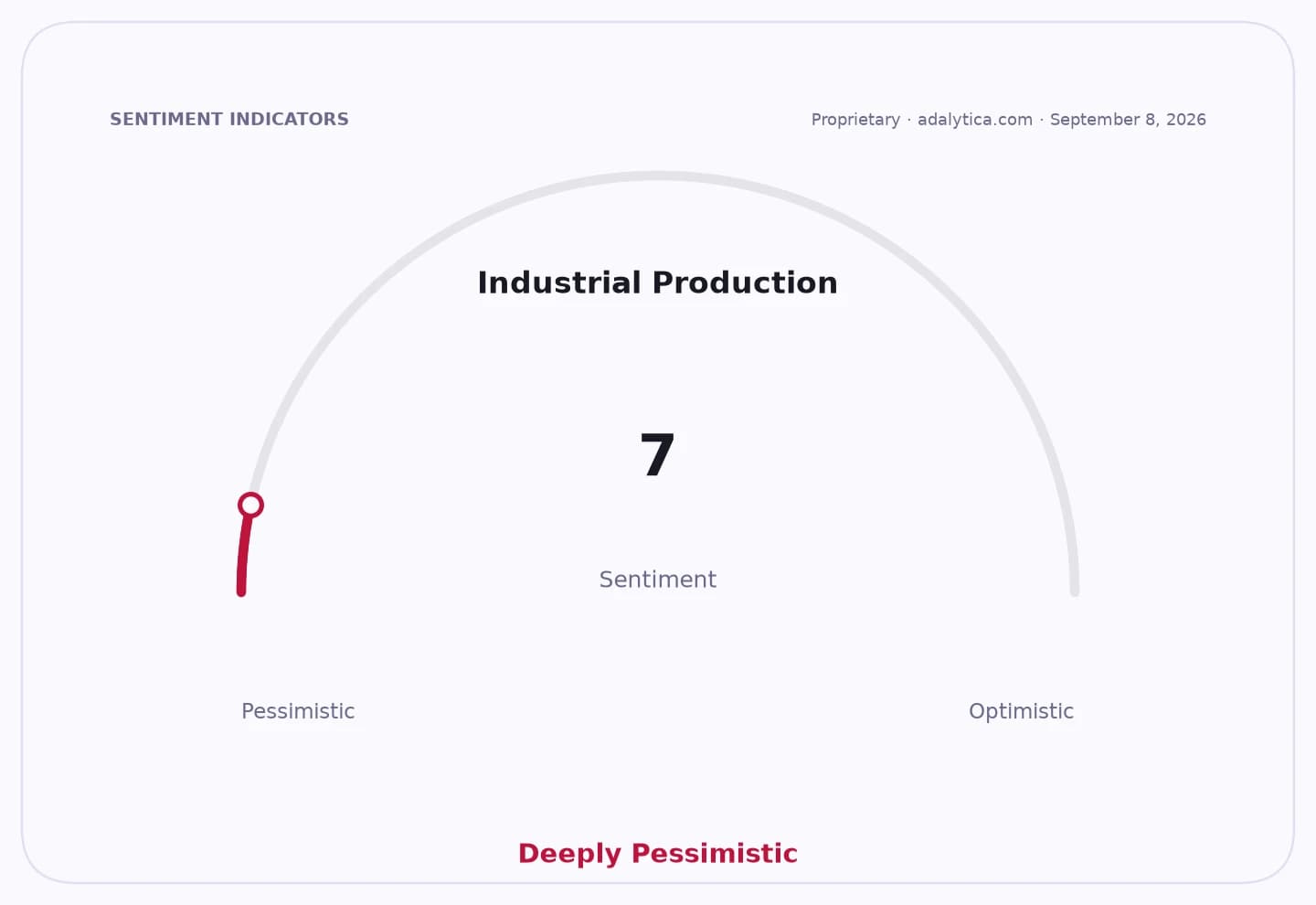
Indonesia’s steel makers are heading into the second half of 2026 with a weak domestic market, softer factory activity and rising pressure from imports — a combination that could keep utilization depressed and force producers to pull back on output and investment.
The immediate problem is demand. Indonesia’s manufacturing PMI fell back to 49.8 in August, slipping below the 50 mark that separates expansion from contraction, after briefly recovering the month before. For a sector that depends heavily on construction, infrastructure, manufacturing and autos, that matters more than any near-term uptick in global steel prices. When factories slow, steel consumption usually follows.
Industry group IISIA said national steel capacity utilization is only about 52.7%, a level that underscores how much idle supply remains in a country that has spent years building out domestic steel capacity. That is economically important because steel is a core input for roads, housing, transport, energy and industrial projects; low utilization means fixed costs are spread across fewer tons, squeezing margins and limiting the sector’s ability to reinvest.
The investment implication is straightforward: if demand does not improve, domestic producers will keep cutting production plans to avoid inventory buildup. That may protect cash flow in the short term, but it also delays the kind of scale-up and downstream expansion that policymakers want from Indonesia’s industrial base. IISIA is effectively arguing that capacity is there, but the market is not absorbing it fast enough.
Imports are the second pressure point. The industry says foreign supply is still needed for products or specifications not yet made locally, but it wants a more level playing field. For investors, that is the key tension: imported steel can cap pricing power for local mills even when domestic demand stabilizes, especially if global steel prices weaken or shipping costs fall. Add energy, raw materials, logistics and regulatory uncertainty, and the earnings outlook becomes highly sensitive to small changes in volume.
That is why producers are likely to stay cautious on capital spending. The sector is still investing in downstream processing and higher-value products, but only selectively. Without firmer demand assurance from infrastructure spending, local-content policies and faster project execution, the market underestimates how long this reset in utilization could last.
For investors, the setup favors the lowest-cost, best-capitalized producers and suppliers tied to Indonesian infrastructure, while weaker mills face a longer period of margin pressure. The trade is not on a quick recovery in steel demand; it is on being positioned before public spending and manufacturing rebuild enough to lift utilization back toward a more profitable level.
| Entity | Gains | Losses |
|---|---|---|
| Low-cost steel producers | ▲Better survival odds | ▼Less room for pricing |
| Importers/traders | ▲Access to supply gaps | ▼Higher policy scrutiny |
| Indonesian mills | ▲Potential demand rebound | ▼Weak utilization and margins |
| Construction/infrastructure buyers | ▲Lower input flexibility | ▼Delayed domestic supply growth |