Indonesia Whoosh debt moves to finance ministry
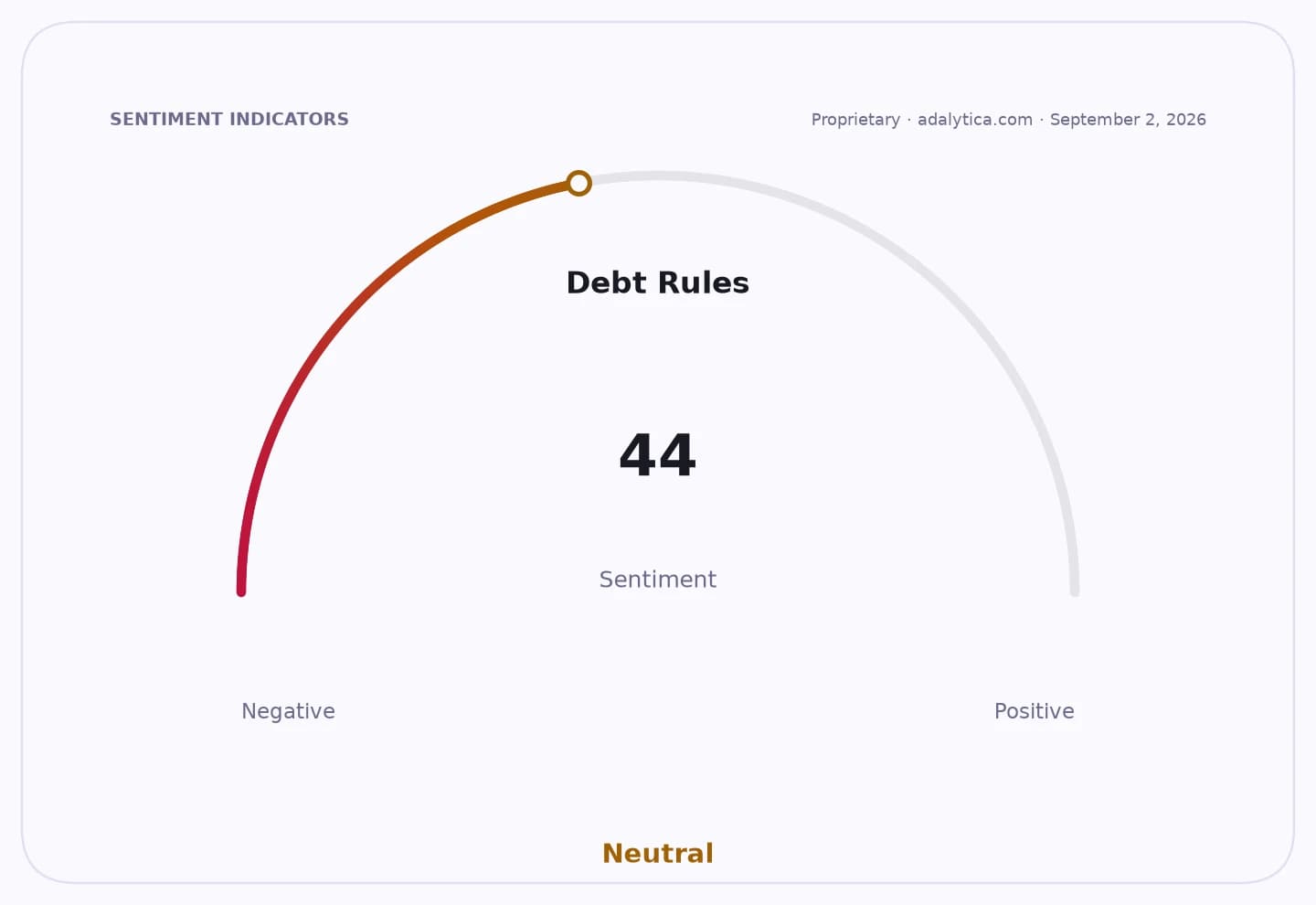
Whoosh’s debt will be transferred to Indonesia’s Ministry of Finance in mid-September, a move that shifts the burden of the loss-making rail project from the company to the state balance sheet and underscores how expensive politically backed infrastructure can ultimately become for taxpayers and bondholders.
The transfer matters because it turns a project-specific financing problem into a sovereign one. That usually improves the near-term survival odds of the asset, but it also means the government absorbs repayment risk, operating shortfalls and any refinancing pressure that comes with the debt. For investors, the key question is not whether Whoosh survives — it likely does — but who pays for its capital structure and on what terms.
The development comes as debt stress remains a live issue across markets. Benchmark U.S. 10-year Treasury yields were at 4.79% on Sept. 1 and were forecast to edge up to 4.822%, keeping global funding costs elevated and making any assumption of cheap refinancing more dangerous. In that environment, moving Whoosh liabilities onto the finance ministry’s books can preserve liquidity today, but it also raises the long-run fiscal cost of the project.
For Indonesia, the decision reflects a familiar trade-off: protect a flagship infrastructure asset and avoid a messy restructuring, or force losses onto the railway system and risk wider financial and political fallout. Transferring debt to the state can stabilize operations and reassure creditors that the government stands behind the project. But it also widens contingent liabilities at a time when investors are already sensitive to public borrowing and to how much hidden debt governments are willing to absorb.
That is why the story reaches beyond one rail line. It fits a broader pattern in which governments step in when infrastructure schemes financed with aggressive assumptions fail to generate enough cash. The immediate winners are Whoosh’s operators and, potentially, its creditors if the transfer improves recoveries. The losers are the public accounts and, indirectly, sovereign debt holders if the move adds to fiscal pressure.
The market will now watch the mechanics of the transfer: whether the ministry assumes the debt at face value, whether maturities are extended, and whether any haircut or payment rescheduling accompanies the handover. Those details will determine whether this is a clean bailout, a managed restructuring or simply the first step in a longer state-supported workout.
| Entity | Gains | Losses |
|---|---|---|
| Whoosh / operator | ▲Balance-sheet relief | ▼Less financial autonomy |
| Ministry of Finance | ▲Greater control | ▼Higher debt burden |
| Creditors | ▲Better recovery odds | ▼Possible restructuring risk |
| Indonesian taxpayers | ▲— | ▼Contingent fiscal liability |