Indonesia workers protest labor bill Sept. 10
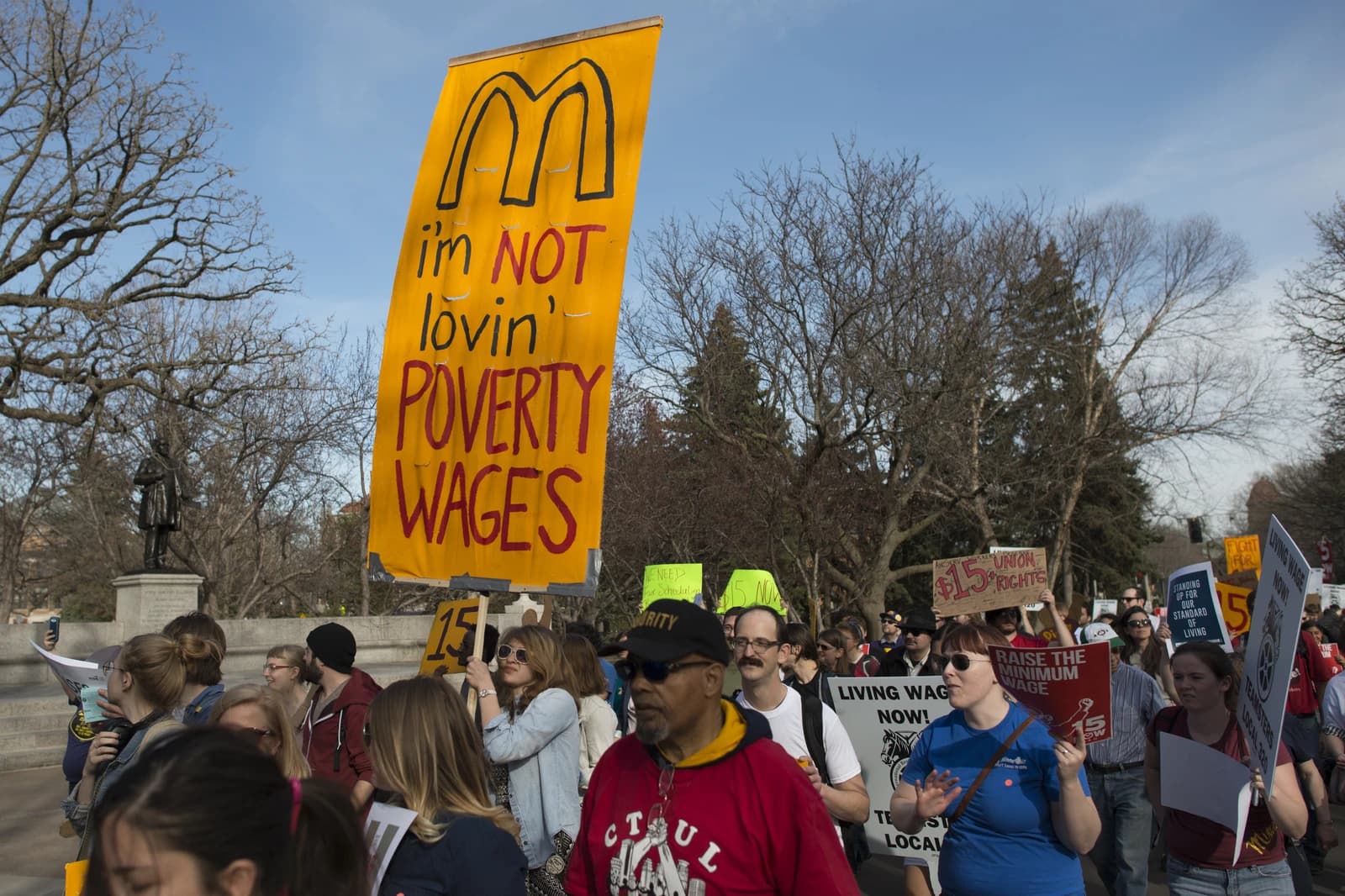
Around 50,000 Indonesian workers are set to protest across at least 30 cities on Sept. 10 to push for tougher protections in a labor bill that could reshape hiring, outsourcing and job security for millions of employees.
That matters because the draft law sits at the center of Indonesia’s effort to rewrite labor rules after a Constitutional Court ruling on the country’s controversial job-creation framework. For workers, the bill is a chance to claw back protections they say were weakened by the Omnibus Law era. For employers, it could determine whether labor costs rise, hiring becomes less flexible and the use of internships, fixed-term contracts and outsourcing gets tighter.
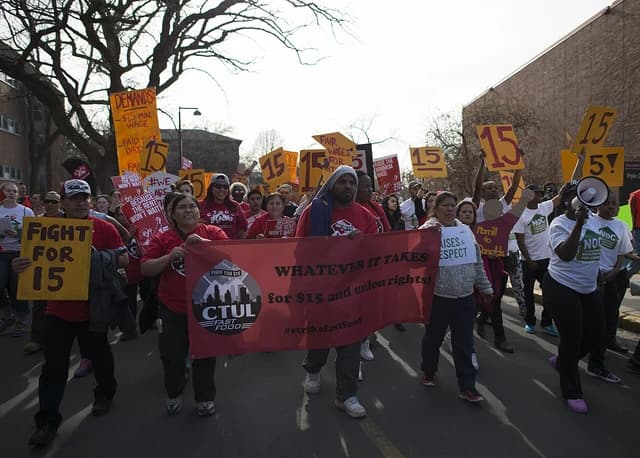
The coalition behind the demonstrations says the current draft still leaves major gaps. One of the biggest flashpoints is apprenticeship policy, which labor groups say could be used as a channel for cheap labor and outsourcing. Another is fixed-term contracts, or PKWT, which the coalition says still allow employment relationships to stretch for as long as four years. Labor leaders want that removed or cut to a much shorter period.
The protests are being organized by the Big Coalition for the Struggle of Indonesian Workers and will not be limited to Jakarta. Workers plan to take their case to regional legislatures and local governments in Jakarta, West Java, Banten, Central Java, East Java and several other provinces. That broad geographic spread is important: it shows the pressure is not just a capital-city event, but a coordinated attempt to influence the political process at multiple levels.
The political stakes are rising because the government wants the labor-protection bill finished by the end of October. If lawmakers are forced to rewrite the draft under union pressure, the final law could have real economic consequences for Indonesia’s labor market. Stronger protections may improve job stability and purchasing power over time, but they could also make firms more cautious about expanding payrolls, especially in labor-intensive sectors that rely on flexible contracts.
Investors should pay attention because labor rules feed directly into corporate margins, domestic consumption and the broader investment climate. Companies with large workforces, heavy outsourcing models or high turnover would be the most exposed if the final bill tightens hiring practices. On the other hand, a more predictable and worker-friendly framework could reduce social friction and support longer-term productivity if it is balanced well.
There is also a market narrative here that goes beyond this one bill. Indonesia, like much of emerging Asia, is trying to balance competitiveness with social protection. That balancing act matters for foreign investors evaluating everything from manufacturing costs to political risk. A law seen as too pro-business risks repeat unrest. A law seen as too restrictive could squeeze growth and hiring. The most investable outcome is usually the one that provides clarity.
For now, the key question is whether the government and parliament can produce a bill that workers view as credible without undermining employer confidence. If they can, Indonesia may get a labor framework that supports steadier growth for years. If they cannot, expect more demonstrations, more policy uncertainty and a tougher backdrop for companies planning to hire.
| Entity | Gains | Losses |
|---|---|---|
| Workers / unions | ▲Stronger job protection | ▼Flexible hiring rules |
| Employers | ▲Regulatory clarity if compromise holds | ▼Lower labor flexibility |
| Indonesian government / DPR | ▲Chance to show balance | ▼Political pressure from both sides |
| Foreign investors | ▲More certainty if law is finalized | ▼Policy uncertainty if protests escalate |