Indosat Targets IDR 900 Trillion AI Infrastructure
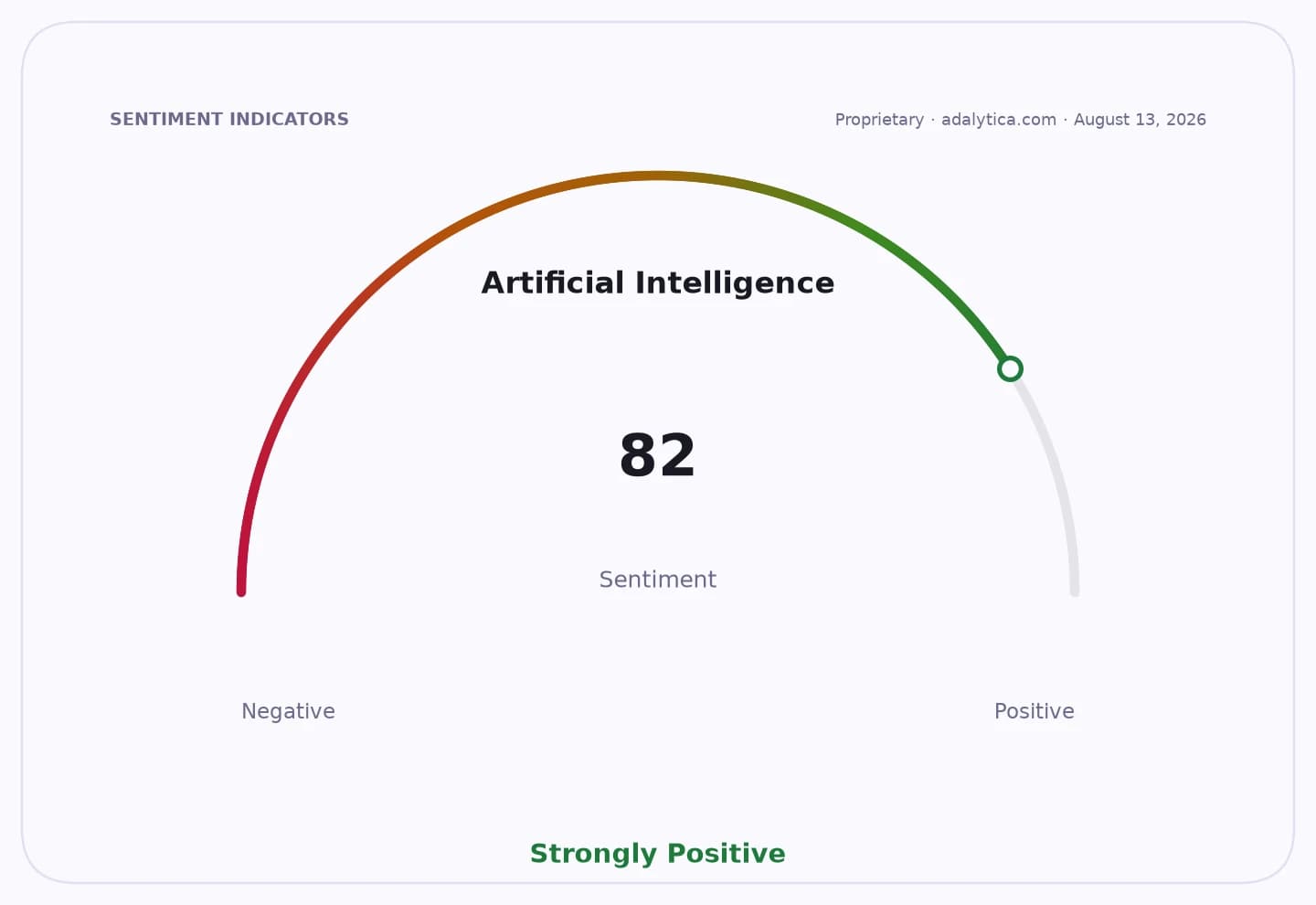
Indosat is moving from being a telecom operator to a proxy for Indonesia’s AI infrastructure buildout, and that is the real investment story behind its plan to help anchor nearly IDR 900 trillion in technology spending.
The most important takeaway is not the headline number itself, but the shift in business model. If Indosat can help pull in that scale of capital, it would be positioning itself inside the high-margin layer of the AI economy — connectivity, cloud access, data handling and compute services — rather than staying trapped in the lower-growth, price-competitive mobile market.
That matters economically because Indonesia is one of Southeast Asia’s largest digital markets, and AI demand is becoming a capex story. Enterprises, governments and universities are all moving toward heavier use of data processing and model deployment, which requires fiber, towers, data centers, power and software integration. In other words, AI does not just create a software market; it creates a physical infrastructure cycle. Indosat’s move suggests it wants a piece of that cycle before it matures.
For investors, the opportunity is in the second-order winners. Telcos that can monetize data traffic, local cloud and edge computing should see a better growth profile than peers stuck with conventional voice-and-data revenue. Partners such as Nvidia gain from broader AI deployment, while equipment, data center and energy suppliers stand to benefit if Indonesia turns this initiative into a broader industrial buildout. The market underestimates how quickly AI infrastructure spending can re-rate adjacent sectors once a national champion starts framing it as a strategic investment theme.
The collaboration with Nvidia and Universitas Gadjah Mada also matters because it adds both credibility and distribution. Nvidia brings the technology stack, while the university link helps build talent and ecosystem depth. That combination is how AI rollouts move from pilot projects to recurring demand. The Reuters-style headline number may invite skepticism, but the more durable thesis is that Indosat is trying to become a platform for AI adoption in a country where digital usage is still expanding and compute capacity remains relatively scarce.
That scarcity is exactly why this can become an asymmetric trade. If the company executes, investors are not just buying earnings from telecom services; they are buying exposure to a broader AI utility model in one of Asia’s fastest-growing digital economies. The key catalyst now is whether this investment plan turns into concrete partnerships, infrastructure commitments and revenue-generating AI services. If it does, the market may have to price Indosat less like a legacy carrier and more like a strategic infrastructure play.
| Entity | Gains | Losses |
|---|---|---|
| Indosat | ▲AI platform expansion | ▼Legacy telecom-only valuation |
| Nvidia | ▲More AI infrastructure demand | ▼Slower adoption fears |
| Data center and power suppliers | ▲New capex cycle | ▼Underutilized capacity elsewhere |
| Mobile-only telecom peers | ▲— | ▼Share of investor attention |