Inflation Keeps Cash Losing Purchasing Power

Cash is losing purchasing power even as investors cling to it for safety, and that makes the inflation backdrop the market’s most important force right now.
The latest U.S. consumer price data show inflation is still running hot enough to keep real returns on idle money negative. The headline CPI index climbed to 333.979 in May from 330.293 in March and is projected to reach 336.064 in June, while core CPI rose to 336.121 from 334.165 over the same period. That means the cost of simply waiting is rising month by month, and the longer capital sits in cash, the more buying power it gives up.

That matters because the market is being forced to reprice the entire yield curve and every “safe” allocation around it. The 10-year Treasury yield is back around 4.5%, but that still leaves investors vulnerable if inflation stays sticky and the Federal Reserve is forced to keep policy tight. Bloomberg-style math is simple here: nominal cash yields may look respectable, but if prices continue compounding at roughly 0.6% a month, real wealth is still leaking away.
The message is showing up in bond and gold markets. TLT, the long-duration Treasury ETF, remains below both its 50-day and 200-day moving averages, a sign that long bonds are still struggling to reclaim leadership. Gold, by contrast, has been far stronger: GLD surged earlier in the year, and even after a pullback it still trades above its 200-day moving average, reflecting persistent demand for hard assets when confidence in the Fed’s 2% target is weak. Adalytica’s inflation-confidence gauge shows just how fragile sentiment has become, with confidence in the Fed’s target sitting in “Extreme Fear” territory and long-term inflation expectations also deep in fear.
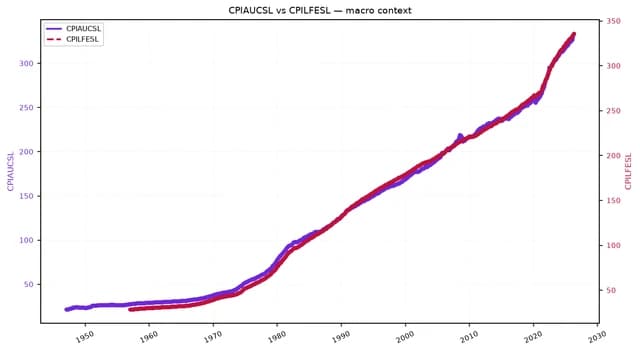
For investors, that creates a clear asymmetry. Sitting in cash may feel prudent, but it is effectively a guaranteed loss in purchasing power if inflation does not come down fast enough. The better trade is to own assets that can either price inflation in directly or benefit from the capital rotation away from idle balances: Treasury Inflation-Protected Securities, gold, energy, infrastructure, real assets, and select dividend growers with pricing power. Even simple exposure to a broad commodity or gold ETF can be a better store of value than waiting for perfect clarity.
The market underestimates how powerful this second-order effect can be. When investors lose faith that inflation will quickly normalize, they don’t just buy commodities — they re-rate every asset tied to scarcity, supply chains, and cash flow durability. That is why the next leg of the trade may not be about chasing the hottest momentum names, but about positioning early for the assets that protect capital when money itself is being quietly debased.
If you are still sitting on sideline cash, the takeaway is blunt: inflation is already taxing your returns. The best response is not to wait it out, but to redeploy into inflation-resistant assets before the market fully prices the next round of policy caution and currency erosion.
| Entity | Gains | Losses |
|---|---|---|
| Gold / GLD | ▲Safe-haven demand | ▼Cash holders |
| Long Treasuries / TLT | ▲Brief policy repricing opportunities | ▼Duration-heavy portfolios |
| Inflation-linked assets | ▲Real return protection | ▼Unhedged savers |
| Fed / central banks | ▲Flexibility to tighten | ▼Confidence in 2% target |