Inflation Price Levels Keep Pressure on Fed, Markets
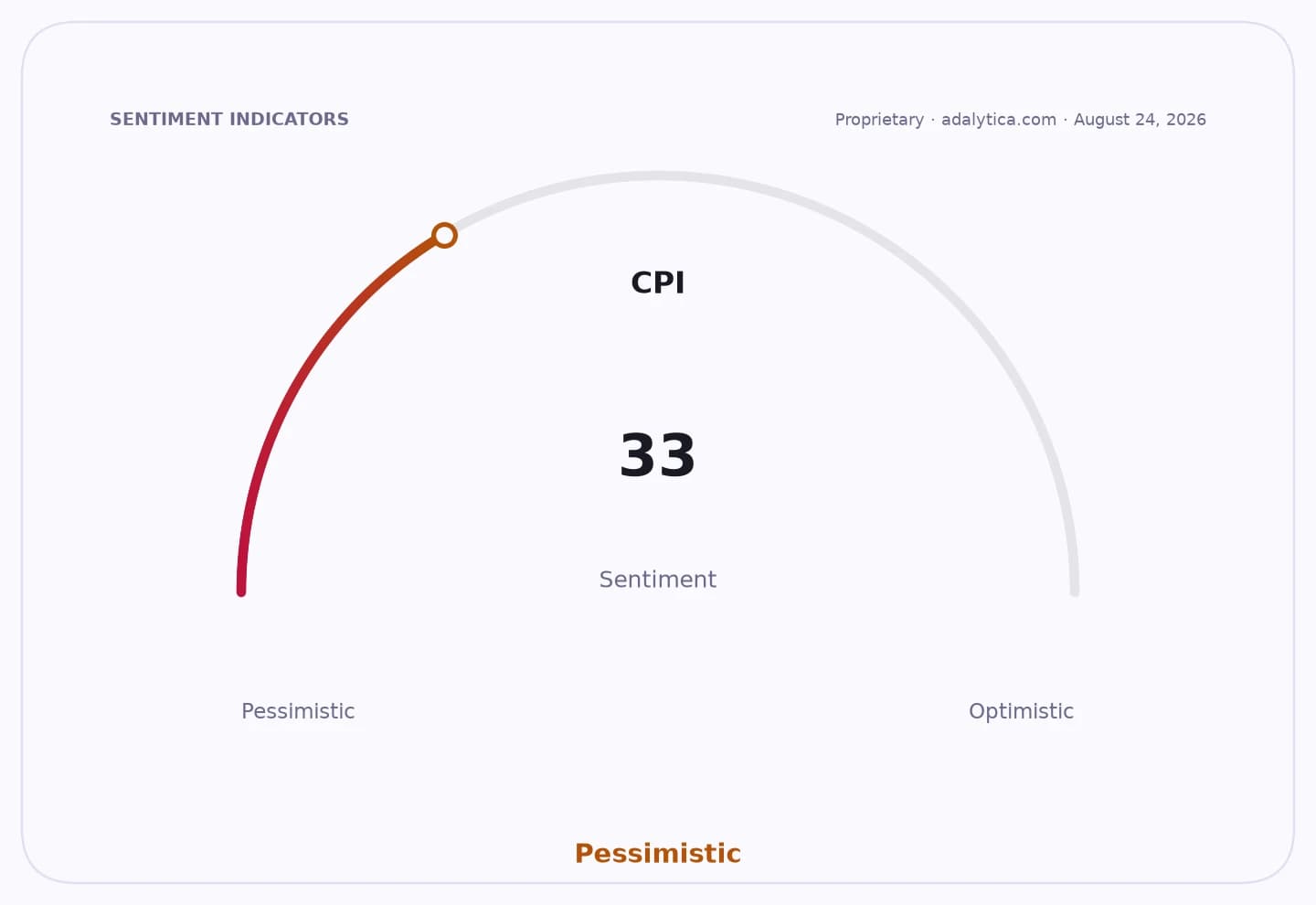
Inflation’s central problem is not that prices keep surging every month; it is that the cumulative level of prices is still dramatically higher than it was before the post-pandemic shock, and that is what keeps households, firms and policymakers under pressure.
The latest Consumer Price Index readings underscore why the public remains skeptical of official claims that inflation is under control. The CPI series has risen to about 334 from 267 in early 2020, while the core CPI is up to roughly 337 from 267 over the same period. That is a rise of about 25% to 26% in just over six years, with the biggest part of the increase concentrated after 2021. In other words, the monthly pace of inflation may have cooled from its peak, but the price level itself has not gone back down — and for consumers, that is what matters.
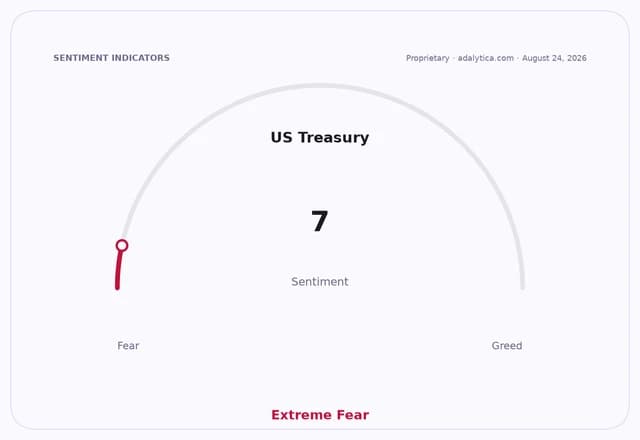
The broader inflation backdrop is also still uncomfortable for the Federal Reserve. The Fed’s preferred PCE price index has climbed to around 131 from about 104 at the start of 2020, a gain of roughly 26%. That is slower than the CPI on some measures, but still far above the central bank’s 2% target on a level basis. The market’s attention therefore remains fixed less on whether inflation is falling and more on whether it is falling enough, fast enough, to restore confidence that the Fed can ease without reigniting price pressures.
That is why inflation-linked market positioning remains highly sensitive. Treasury bond ETF TLT has struggled to sustain rallies, trading in the low 80s and below its 200-day moving average, a sign that investors still demand a premium to hold duration when inflation expectations can re-accelerate. Gold ETF GLD, meanwhile, has pushed to fresh highs, with price action far above its 200-day average and overbought RSI readings, reflecting a market that is still hedging against policy error, currency debasement and persistent inflation uncertainty. The divergence between bonds and bullion suggests investors are not convinced the disinflation story is fully secure.
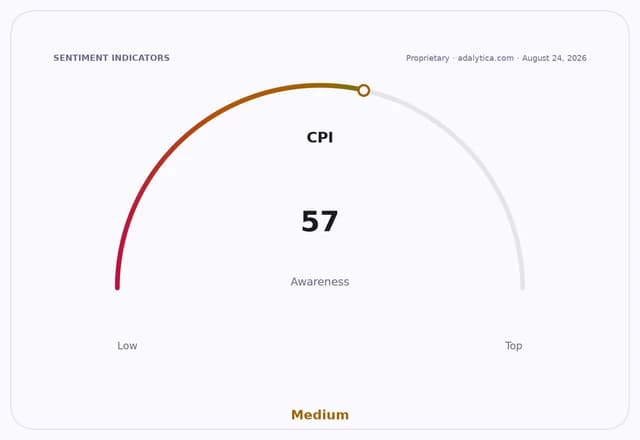
The economic significance is straightforward: high cumulative inflation compresses real incomes, distorts corporate pricing, and keeps pressure on wage negotiations, rents and borrowing costs. For businesses, the issue is not only input costs but the need to rebuild margins in an environment where consumers have already absorbed large price increases and may resist further hikes. For policymakers, the challenge is credibility. Once households conclude that “things have gone up 50% to 100%” over several years, official progress can look less like victory and more like insufficient damage control.
The debate now splits between two narratives. The bullish case is that inflation has clearly decelerated from the 2022 surge, and that slower monthly readings will eventually allow the Fed to normalize policy. The bearish case is that sticky services inflation, wage resilience and elevated price levels keep inflation psychologically embedded, making it harder for rate cuts to translate into lower long-term inflation expectations. Adalytica’s long-term inflation expectations gauge has recently leaned more optimistic, but the underlying market behavior in Treasuries and gold shows that confidence is still fragile.
For investors, the key implication is that inflation is now as much a valuation and duration problem as a macro statistic. Equities with pricing power can still cope, but bondholders, rate-sensitive sectors and leveraged borrowers remain exposed if inflation proves stickier than consensus expects. The next critical catalyst is whether upcoming CPI and PCE prints continue to cool at the margin — or whether the cumulative price level keeps forcing markets to price a slower path back to normal.
| Entity | Gains | Losses |
|---|---|---|
| Gold holders | ▲Inflation hedge demand | ▼Yieldless asset stigma |
| Treasury bond investors | ▲Disinflation if it lasts | ▼Duration losses from sticky prices |
| Consumers | ▲Wage gains, if any | ▼Real purchasing power |
| Fed | ▲Easier case for cuts | ▼Credibility if inflation re-accelerates |