Higher earnings can still improve retirement security, but investors and savers are being reminded that inflation and medical costs can erase a surprising share of those gains if portfolios are not reviewed regularly.
Inflation threatens retirement gains
The warning matters because retirement income is not set by account balances alone. What counts is real purchasing power, and even modest price increases can steadily weaken spending power over a 20- or 30-year retirement, especially when healthcare expenses rise faster than headline inflation.
U.S. consumer prices rose to 333.979 in May from 332.407 in April, according to the CPI series, with a forecast for June at 336.0641. Core CPI, which strips out food and energy, climbed to 336.121 in May from 335.423 in April and is projected at 336.9729 in June, showing inflation is cooling only gradually rather than disappearing.
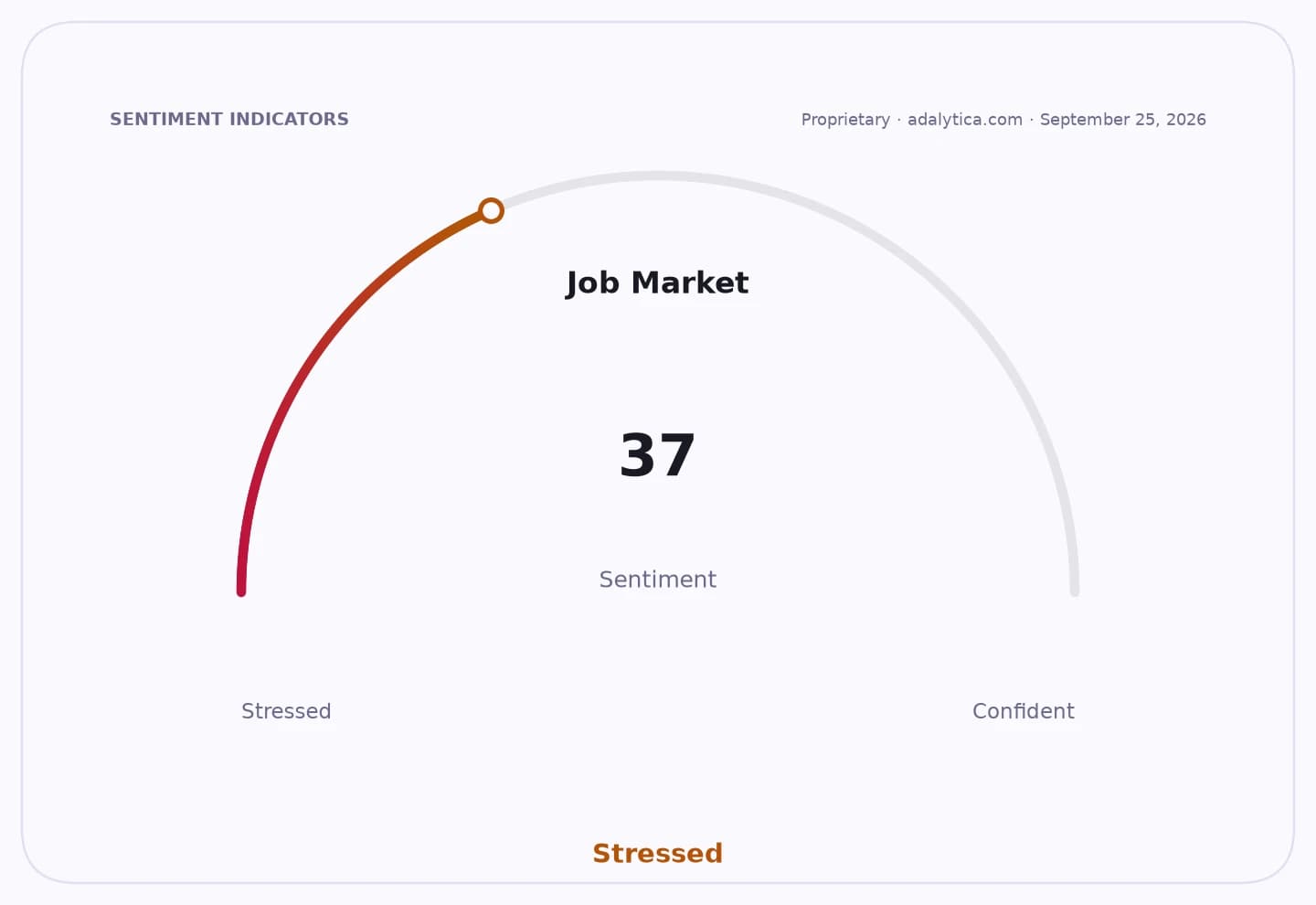
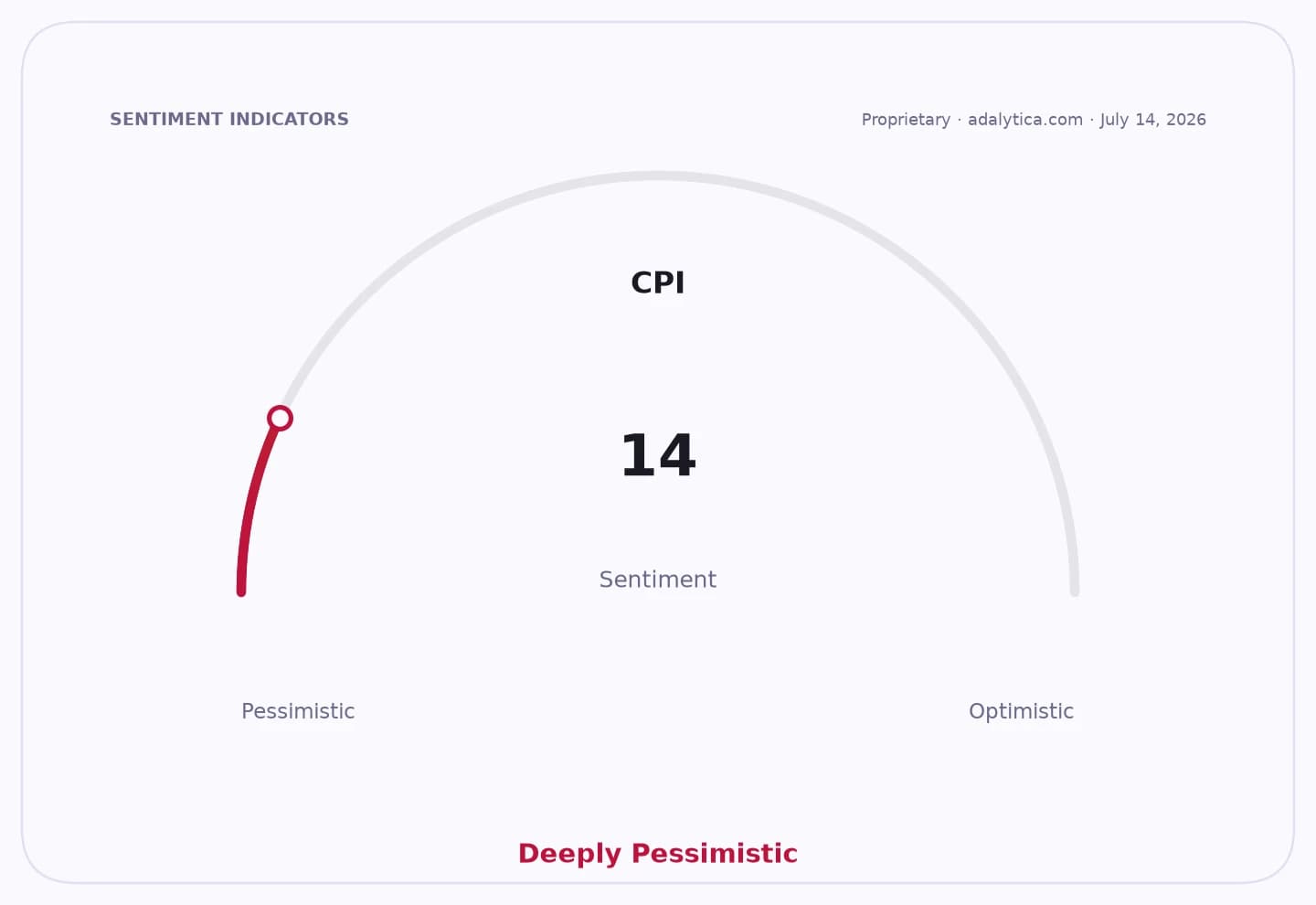
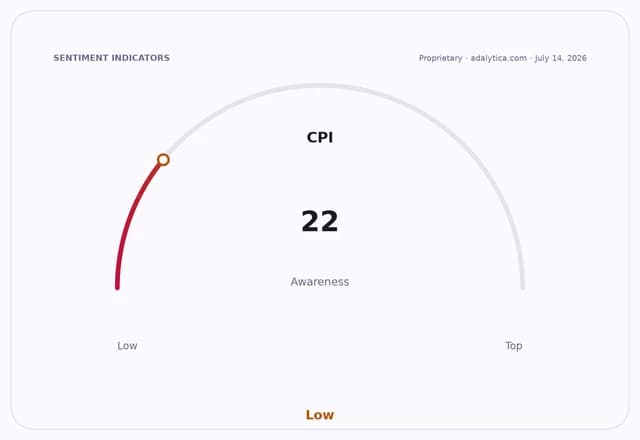
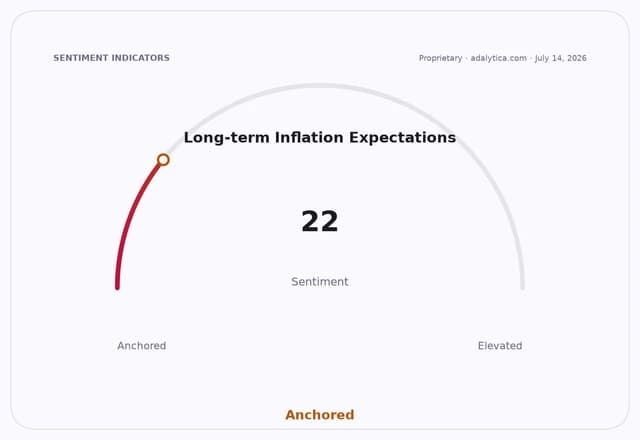
That backdrop helps explain why long-term inflation expectations in Adalytica’s CPI Sentiment snapshot sit at 22, labeled fear, while the broader CPI sentiment reading is 14, or extreme fear. For retirees and near-retirees, that means the risk is less about one bad month than about the compounding drag of prices over time.
CPIAUCSL vs CPILFESL — macro contextadalytica.com
Explore this data interactively — full history, time series and cross-market comparisons.Open AlphaPulse
The market angle is clear: persistent inflation tends to keep pressure on bond prices, constrains real returns and forces investors to lean harder on diversification, income generation and periodic rebalancing. It also raises the stakes for asset managers that sell retirement products, including BlackRock, T. Rowe Price and Franklin Templeton, because clients facing higher living costs often become more sensitive to fees, withdrawals and downside risk.
Shares of BlackRock were last at $1,031.56, just below the 50-day moving average of $1,032.02 and under the 200-day average of $1,050.61, while T. Rowe Price closed at $113.65, above both its 50-day and 200-day averages. Franklin Templeton ended at $32.83, also above its 50-day and 200-day averages, but the recent moves show investors remain focused on whether managers can protect assets under management and generate enough earnings to offset fee pressure.
The broader message for retirement planning is unchanged: stronger earnings help, but they do not substitute for inflation protection, health-cost planning and regular portfolio checks. With CPI still running above the levels that would make long-term savers comfortable, the next read on inflation will remain a key catalyst for retirement assets, fixed income and rate-sensitive financial stocks.
| Entity | Gains | Losses |
|---|---|---|
| Retirees with inflation-protected portfolios | ▲Preserved purchasing power | ▼Lower real returns |
| Asset managers like BLK, TROW, BEN | ▲Higher AUM stability if demand holds | ▼Fee pressure and outflows |
| Bondholders | ▲Potential policy support if inflation cools | ▼Real yield erosion |
| Savers with fixed income | ▲Predictable cash flow | ▼Rising medical and living costs |