Inpex sees Indonesia LNG interest as Hormuz closes
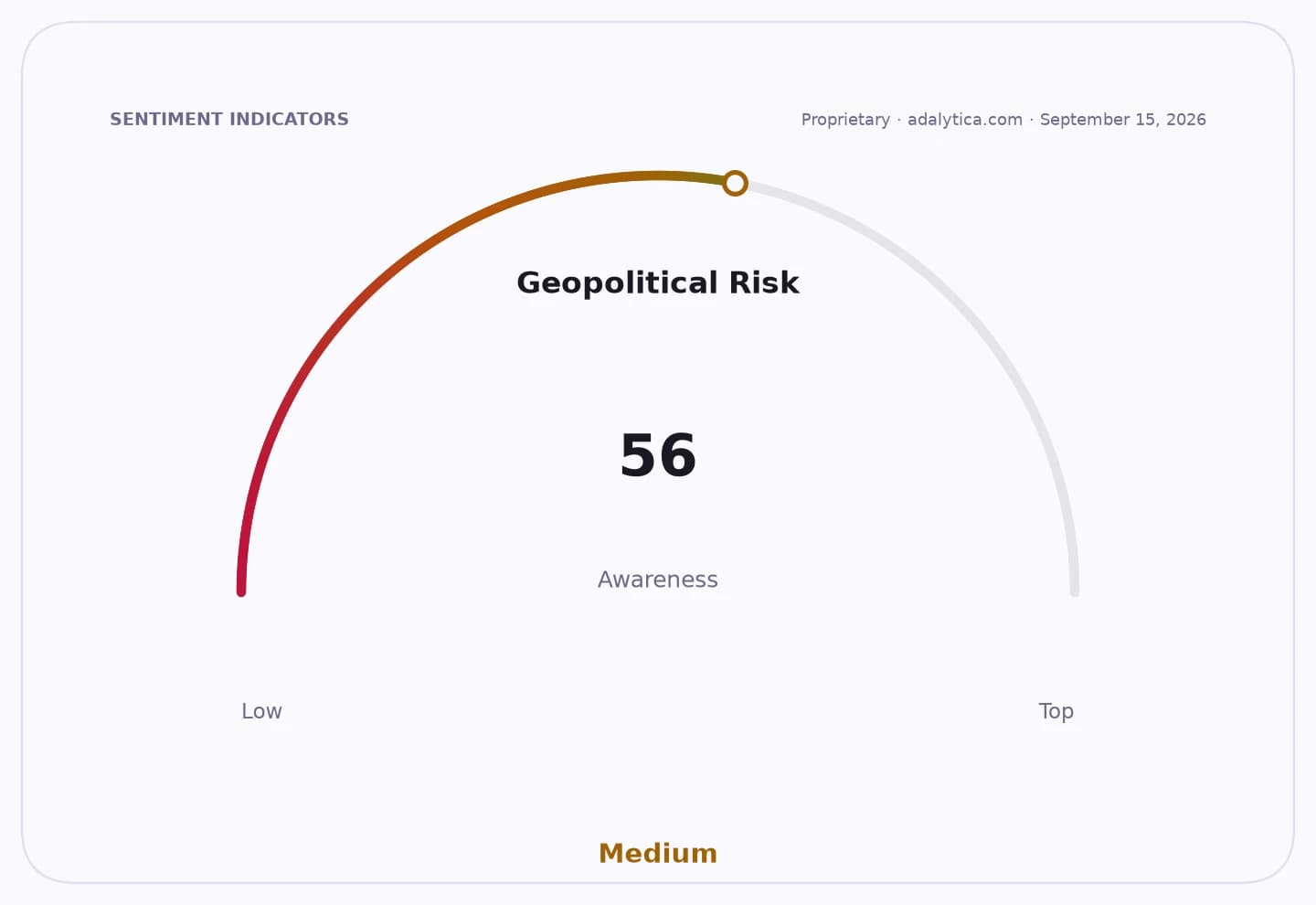
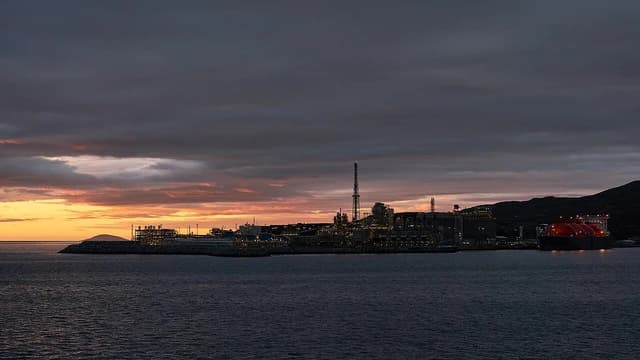
Japan’s Inpex says it is seeing strong interest in LNG from Indonesia as the closure of the Strait of Hormuz ripples through global gas markets and sharpens worries about supply security.
The Japanese energy producer’s comments matter because the Hormuz chokepoint carries a large share of Middle East oil and LNG flows, making any closure a direct threat to regional energy trade and a potential catalyst for higher spot prices and longer-term contracting. For buyers in Asia, the scramble for cargoes underscores how geopolitical risk is translating into commercial urgency, especially for utilities and industrial users trying to lock in supply.
Inpex shares on the Tokyo market have reflected that backdrop, trading at 3,936 yen after a volatile run that pushed the stock as high as 4,596.87 yen earlier this year. The stock remains above both its 50-day moving average of 3,692.32 yen and 200-day moving average of 3,627.5 yen, while the 14-day RSI at 55.4 suggests the move is not yet at an overbought extreme.
The renewed interest in Indonesia LNG also highlights how non-Middle East exporters can gain leverage when transit risks rise. Indonesia has long been a strategic supplier in Asia, and stronger demand from abroad can support project economics, pricing power and upstream investment plans for companies such as Inpex.
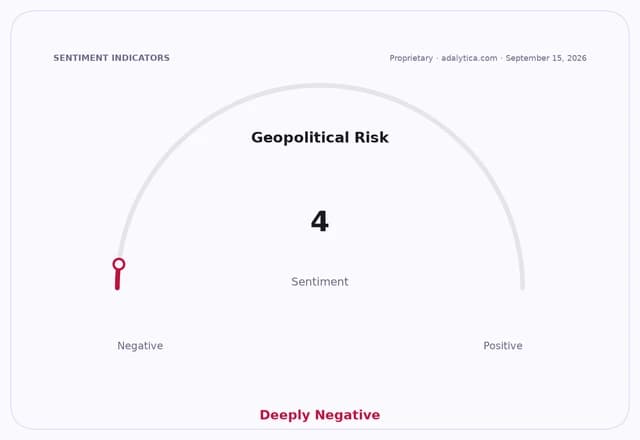
For investors, the key question is whether the Hormuz disruption becomes a temporary fear premium or a longer-lasting rerating for LNG-linked names. If buyers keep chasing non-Gulf supply, that could tighten the market for available cargoes, bolster contract visibility and improve margins for exporters, while pressuring importers and energy-intensive industries.
The next catalyst is whether more regional buyers follow Indonesia’s LNG into the market and whether the geopolitical standoff in the Middle East broadens into a sustained shipping and pricing shock.
| Entity | Gains | Losses |
|---|---|---|
| Inpex | ▲Stronger LNG demand | ▼No direct benefit from supply calm |
| Indonesia LNG exporters | ▲Better pricing power | ▼Limited cargo availability |
| Asian buyers | ▲Supply diversification | ▼Higher spot LNG costs |
| Hormuz-dependent suppliers | ▲Temporary scarcity premium | ▼Transit risk and disrupted flows |