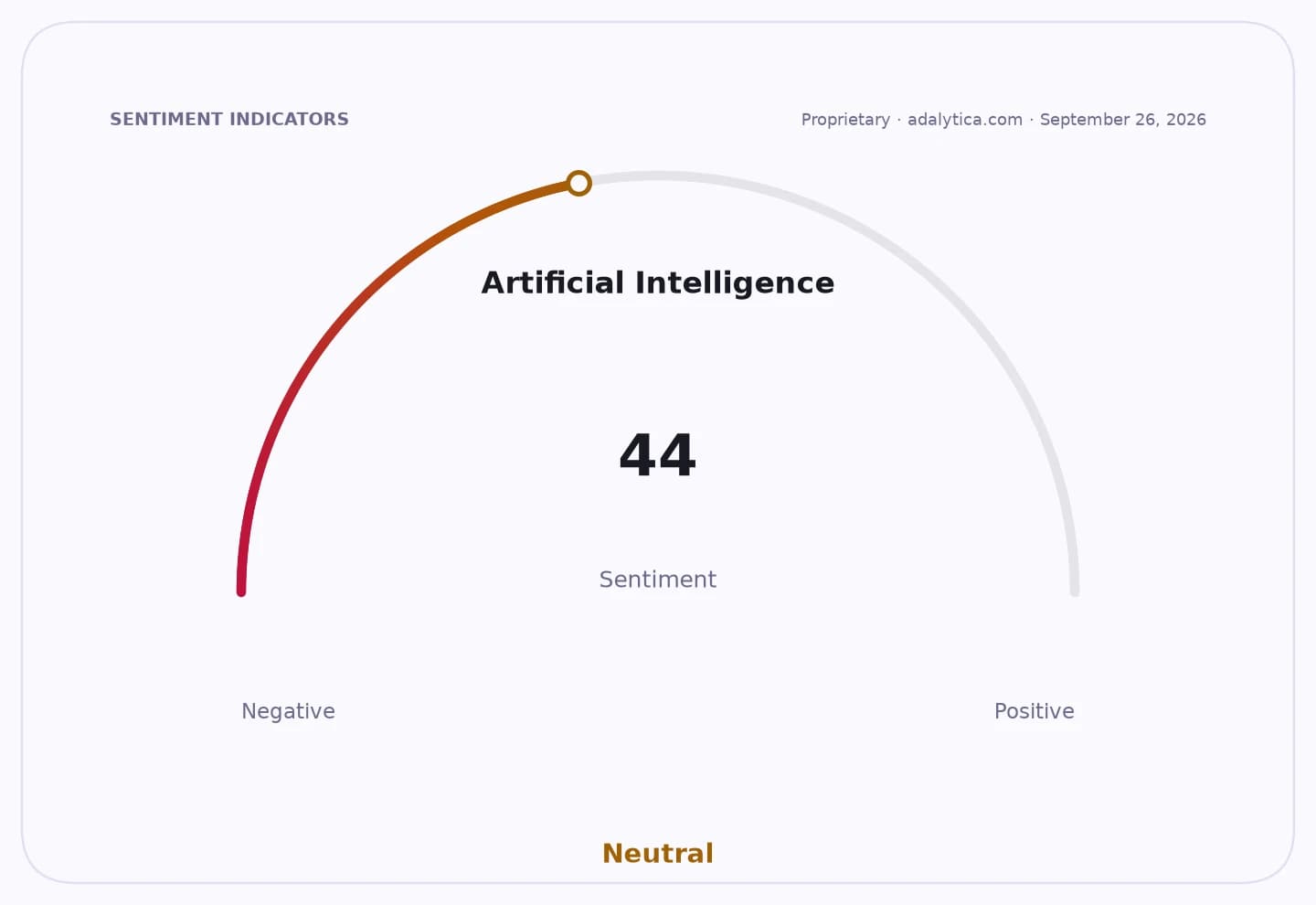
Intuit’s core products still look hard to dislodge, and that matters because the company’s moat is what supports pricing power, recurring revenue and investor confidence even as the shares swing sharply lower. TurboTax, QuickBooks and Credit Karma remain embedded in customers’ tax, accounting and lending workflows, giving Intuit the kind of switching costs that can cushion a slowdown and preserve long-term cash generation.
Intuit moat cushions volatility, but execution remains key
That durability is increasingly important as tax and compliance pressure rises in key markets. A tougher enforcement backdrop can push more consumers and businesses toward established software providers that promise accuracy, audit support and speed, reinforcing demand for branded platforms rather than lower-friction alternatives.
The stock’s path shows how much investors are weighing that moat against near-term execution risk. Intuit closed at $289.76 on July 13, after tumbling from $770.81 in early August and plunging as low as $273.38 last week, when trading volume jumped to 4.01 million shares. The move left the shares far below the 50-day moving average of $317.37 and the 200-day moving average of $489.42, though the latest RSI reading of 69.4 suggests the rebound is no longer deeply oversold after the sharp selloff.
The latest filings still point to businesses with sticky customer relationships. In its most recent 10-Q, Intuit said TurboTax is built to help consumers complete taxes with confidence and maximize financial outcomes, including through assisted tax and AI-enabled expert help. The company also said Credit Karma benefited from gains in personal loans and insurance, while QuickBooks remains the company’s main small-business operating system.
That combination is why the market treats Intuit less like a one-off software name and more like a recurring-revenue compounder tied to tax season, small-business activity and consumer financial decision-making. When those products are integrated into filing, bookkeeping and loan-shopping workflows, customer churn rises more slowly and replacement costs for rivals get higher.
The next catalyst is execution: investors will watch whether Intuit can convert that moat into steadier growth and margin recovery after the recent plunge, especially as tax compliance scrutiny, consumer credit demand and small-business spending shape results into the next reporting cycle.
| Entity | Gains | Losses |
|---|---|---|
| Intuit | ▲Sticky revenue base | ▼Near-term volatility |
| TurboTax/QuickBooks/Credit Karma users | ▲Integrated tools | ▼Higher switching costs |
| Rival tax/software providers | ▲Niche opportunities | ▼Harder customer acquisition |
| Long-term shareholders | ▲Moat-backed cash flow | ▼Sharp share-price swings |