iQIYI, Disney, Netflix Face AI Content Risks
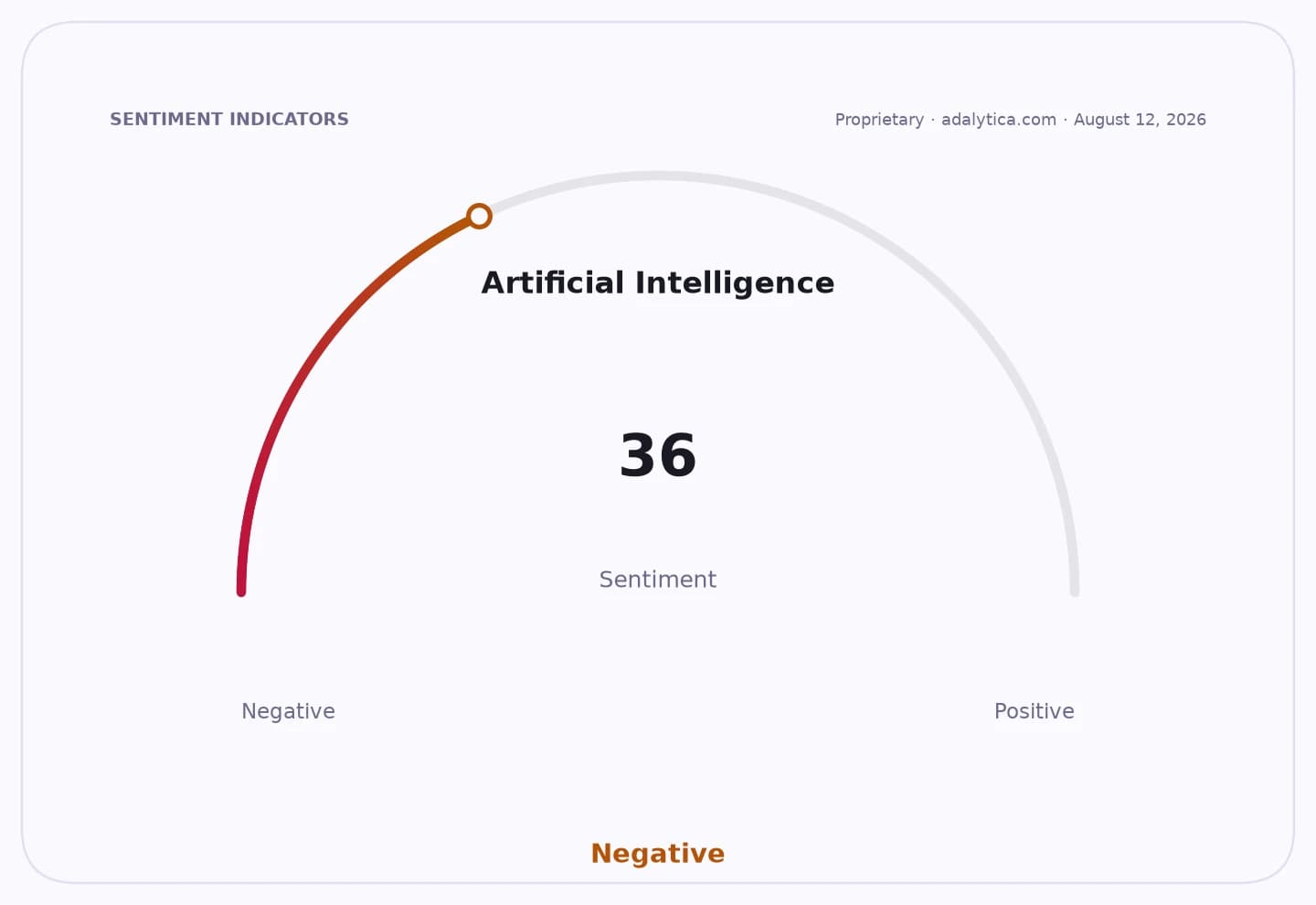
China’s push to build TV series with artificial intelligence is raising a bigger question for investors: whether cheaper production can offset the risk of a flood of low-quality content and a new round of copyright and labor disputes.
The development matters economically because AI can slash the cost of making entertainment in a market already under pressure from slowing consumer spending, tighter regulation and intense competition for viewers. But it also threatens to shift bargaining power away from actors, studios and rights holders if production houses can use digital replicas of faces and performances for as little as $700, according to the seed scenario.
That puts Chinese streaming platforms such as iQIYI, as well as global media groups Disney and Netflix, in the middle of a fast-changing content race. For iQIYI, whose U.S.-listed shares have more than halved from a 2.79-dollar close in early September to around 1.35 dollars this week, the market is already pricing in a difficult backdrop. The stock remains below its 200-day moving average at 1.56 dollars, even after a recent bounce, while its RSI readings in the mid-60s suggest the rebound has not yet fully reset the long-downtrend picture.
For investors, the key issue is not just whether AI lowers budgets, but whether it widens the gap between content volume and content quality. China’s streaming market is crowded, ad spending remains uneven and audiences have shown they will abandon formulaic programming quickly. If AI accelerates production without improving hits, the economics could worsen rather than improve.
The story also carries broader geopolitical weight. Meta chief executive Mark Zuckerberg has already warned that China’s advances in AI pose a challenge to U.S. technological leadership, underscoring that entertainment is now part of the wider AI arms race. At the same time, China is tightening AI rules while promoting global governance standards, creating a split between rapid commercialization and regulatory control.
Disney and Netflix face a different version of the same problem. Both have spent heavily on content and increasingly depend on large libraries, recommendation algorithms and global subscriber growth. If AI tools make it easier to generate scripted material or synthetic performances, they could eventually lower production costs — but they also raise the risk of more IP disputes, actor backlash and audience fatigue, all of which could pressure margins and brand value.
The near-term catalyst is whether Chinese studios and platforms move from experimentation to scale. Any meaningful rollout would likely trigger fresh scrutiny from regulators, unions and rights holders, while the next round of earnings and content disclosures from streaming groups will show whether AI is cutting costs or just adding another layer of expense and controversy.
| Entity | Gains | Losses |
|---|---|---|
| AI-enabled Chinese studios | ▲Lower production costs | ▼Higher regulatory scrutiny |
| Actors and rights holders | ▲Licensing leverage | ▼Face cheaper digital replicas |
| iQIYI | ▲Faster content output | ▼Margin and quality pressure |
| Disney and Netflix | ▲Potential cost savings | ▼IP and labor disputes |