Iran anti-ship threat raises U.S. naval risk
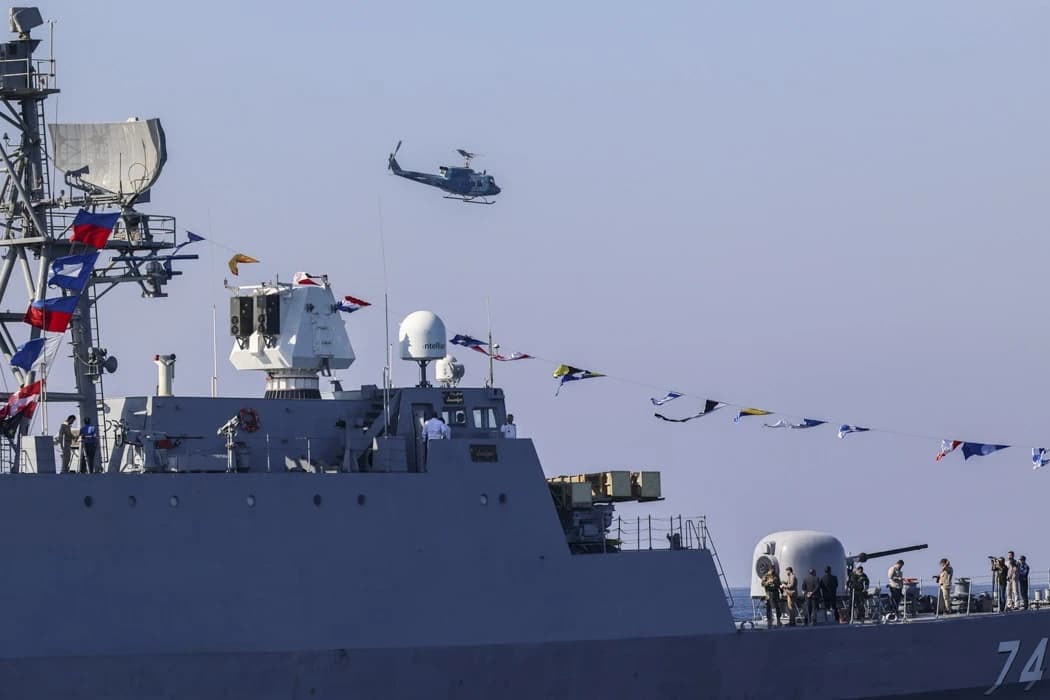
Iran is raising the risk to U.S. naval forces with more sophisticated anti-ship weapons, and Washington now fears Beijing or Moscow could help Tehran find and track warships at sea.
That matters because the central constraint on Iran’s missile threat has been target acquisition: without accurate positioning, even advanced weapons are far less effective against moving ships. If China or Russia were to provide intelligence, surveillance or tracking support, Iran’s anti-access strategy in the Persian Gulf and wider Middle East would become materially more dangerous for U.S. carriers, destroyers and logistics vessels already deployed in the region.
U.S. officials said Iran has continued to threaten and attempt strikes on American naval assets, including after launching ballistic missiles at a carrier and a guided-missile destroyer over the weekend. The Navy says the United States has 19 warships supporting operations in the Middle East, a posture that gives Washington more options but also more exposure if Iranian targeting improves. The Wall Street Journal reported the concerns about foreign help; U.S. Central Command did not immediately comment.
The development underscores how the conflict is becoming less about isolated missile launches and more about the integration of weapons, intelligence and outside support. Iranian state media has said Tehran is using new missiles with advanced features. Weapons analysts cited by the report said some could use electro-optical guidance, allowing a missile to home in on a moving target by image rather than radar. A retired U.S. vice admiral said Iran’s ability to hit warships even as Washington reduces its battlefield visibility is a serious concern.
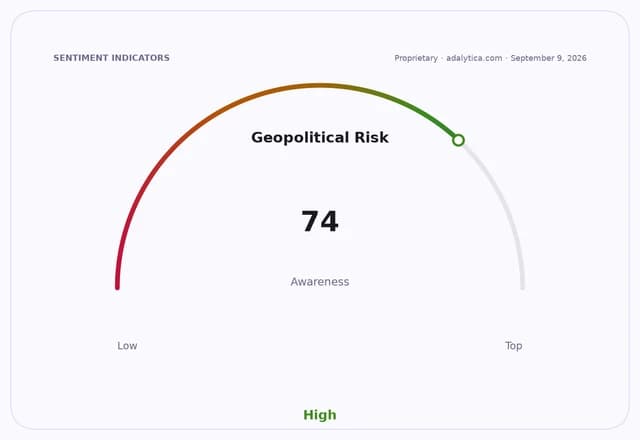
For investors, the immediate read-through is higher geopolitical risk across defense, energy and shipping. Prolonged tension in the Middle East typically supports demand for missile defense, sensors, naval systems and munitions stocks, while raising the premium on crude-linked assets and insurers exposed to maritime trade. The latest trading in defense names reflects that backdrop: Northrop Grumman, Raytheon parent RTX and Lockheed Martin have all seen sharp swings this year, with their shares still sitting below recent highs even after periods of strong performance, suggesting the market is trying to balance sustained demand against valuation and execution risk.
The broader narrative is one of escalation under sanctions pressure. Iran appears to be using imported know-how, domestic production and asymmetric tactics to offset U.S. military superiority, while Washington is trying to deter further attacks through strikes on Iranian-linked assets and tighter economic pressure. If the alleged support from China or Russia is real, it would add a new strategic layer to the confrontation: a regional maritime threat with possible great-power backstops.
For now, the key question for markets is whether this remains a contained exchange or evolves into a longer campaign that forces the U.S. to commit more ships, more interceptors and more inventory from already-stretched weapons stockpiles. If that happens, the cost of the conflict will rise not just for the Pentagon, but for the companies supplying the hardware and for global trade moving through one of the world’s most important sea lanes.
| Entity | Gains | Losses |
|---|---|---|
| Iran | ▲stronger deterrence | ▼higher chance of retaliation |
| U.S. Navy | ▲more urgency for defenses | ▼greater exposure at sea |
| Defense contractors | ▲demand for missiles and sensors | ▼budget and execution pressure |
| Oil and shipping markets | ▲tighter risk pricing | ▼higher disruption risk |