Iran Gives Up Caspian Leverage as Russia Gains
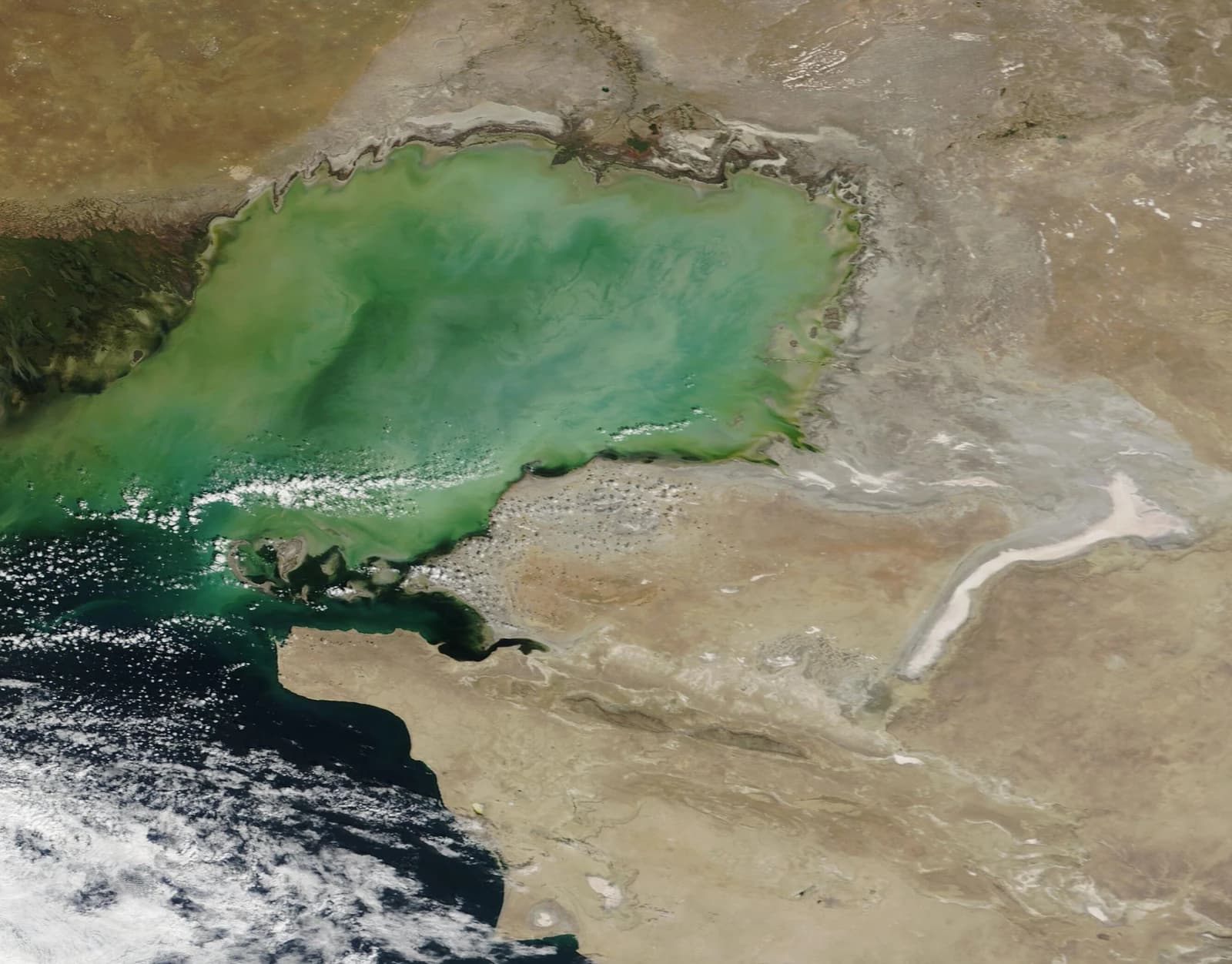
Iran is giving up leverage in the Caspian Sea just as Russia’s influence over regional energy and security politics looks stronger, a shift that matters because it affects who controls access, revenue and future bargaining power in one of Eurasia’s most strategically sensitive waterways.
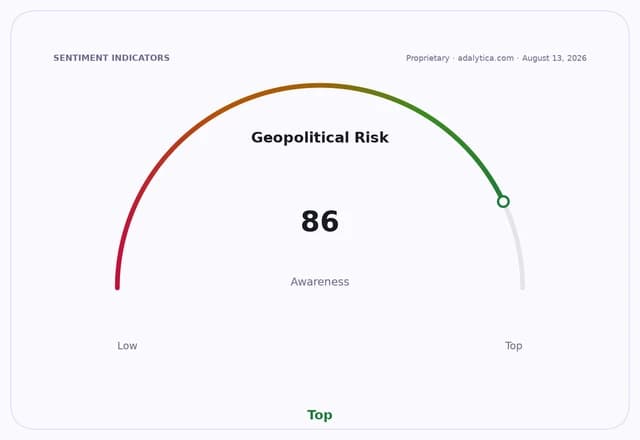
For investors, the deeper point is not the legal fine print of a maritime agreement. It is that Iran appears to be trading away strategic optionality in exchange for short-term alignment with Moscow at a time when energy markets remain exposed to geopolitical shocks. Brent-linked prices are still elevated, with U.S. crude around $84.77 a barrel and the oil market showing a bullish bias in the near term, while the broader stability backdrop is flashing what Adalytica’s Global Stability Sentiment calls “Extreme Greed.” That combination tells you traders remain highly sensitive to any move that could alter supply routes, regional cooperation or sanctions dynamics.
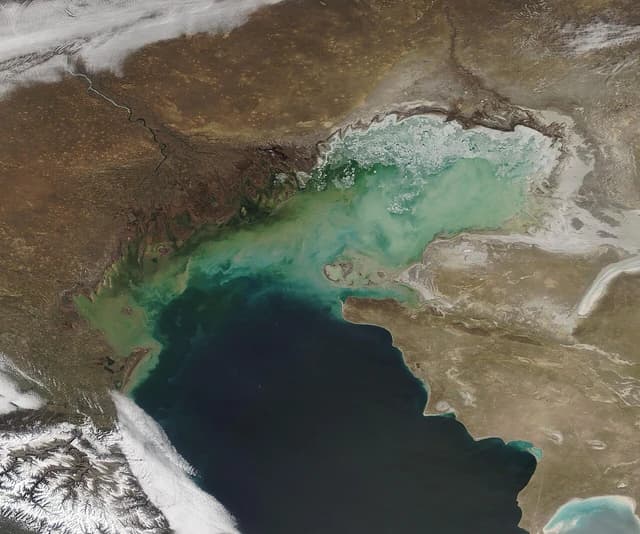
The Caspian has long been more than a body of water. It sits at the intersection of Russia, Iran, Azerbaijan, Kazakhstan and Turkmenistan, with implications for offshore drilling rights, pipeline diplomacy and naval reach. Any concession by Tehran reduces its room to maneuver against Moscow and could strengthen Russia’s hand in future talks over transport corridors and energy projects. In practical terms, that can deepen Iran’s dependence on a partner that has its own reasons to dominate the region’s rules.
That matters economically because control over the Caspian is tied to future hydrocarbons, transit fees and geopolitical access. A weaker Iranian claim over the sea may not move global oil prices by itself, but it can reinforce a world in which energy supply remains hostage to a narrow set of state actors. For countries and companies that rely on stable exports from the wider Eurasian region, even incremental shifts in territorial or regulatory control can affect investment plans, financing costs and project timelines.
Oil investors should also read the market backdrop carefully. The U.S. Oil Fund is still well above its 50-day and 200-day moving averages, a sign that the recent rebound in crude has preserved its longer-term trend despite some cooling in momentum. USO’s RSI has eased from overheated levels, but the fund remains in a constructive technical pattern, while the OIH oil-services ETF is also trading above both major moving averages. That suggests the market is still pricing in a structurally tight energy environment, where geopolitical friction continues to matter more than hopes for easy supply.
The bigger narrative is that Iran is leaning into a Russia-centered geopolitical order even if it means surrendering some independent influence. For long-term investors, that is a reminder that energy markets are not just about barrels and balance sheets. They are about who writes the rules around them. If you own energy stocks, oil ETFs or companies exposed to the Caspian region, this is worth watching as a medium- to long-term geopolitical risk.
| Entity | Gains | Losses |
|---|---|---|
| Russia | ▲More Caspian leverage | ▼Less need to concede |
| Iran | ▲Short-term alignment | ▼Strategic independence |
| Oil producers | ▲Support from tight market | ▼Policy uncertainty |
| Energy investors | ▲Higher risk premium support | ▼Geopolitical volatility |