Iran Gas Field Discovery Raises Supply Outlook
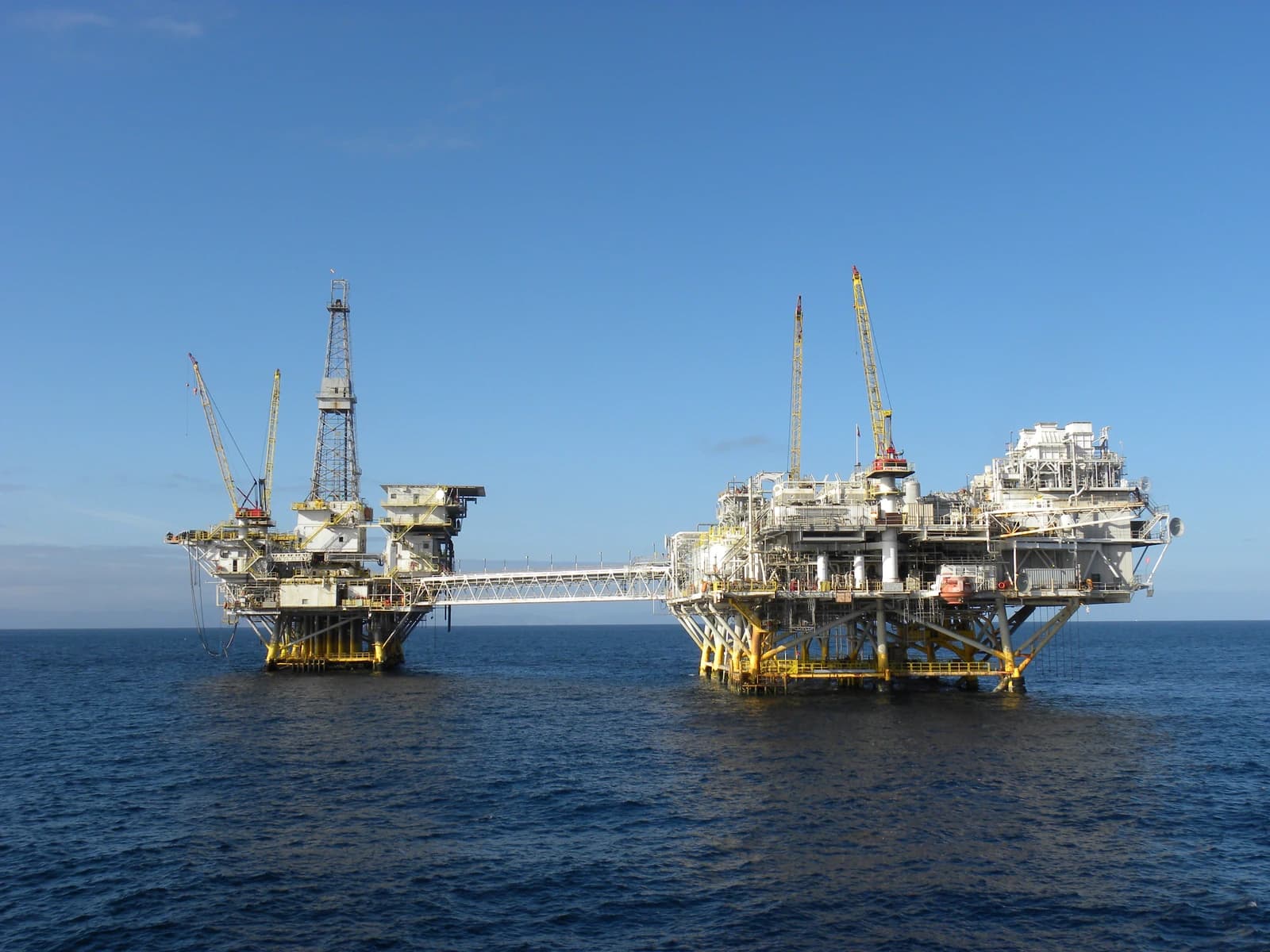
Iran’s announcement of a new natural gas field in Fars province, estimated at 7.5 trillion cubic feet, raises the stakes around who gets involved in expanding output at the world’s biggest gas resource base and how quickly Tehran can turn reserves into barrels and molecules that matter to the market.
The discovery adds to Iran’s already massive endowment and comes as the country says it has restored about 40% of previously damaged capacity at South Pars, the giant offshore field that anchors its gas sector. For investors, the key question is not the headline size of the find, but whether Iran can translate it into reliable supply amid sanctions, financing constraints and the technical demands of field development.
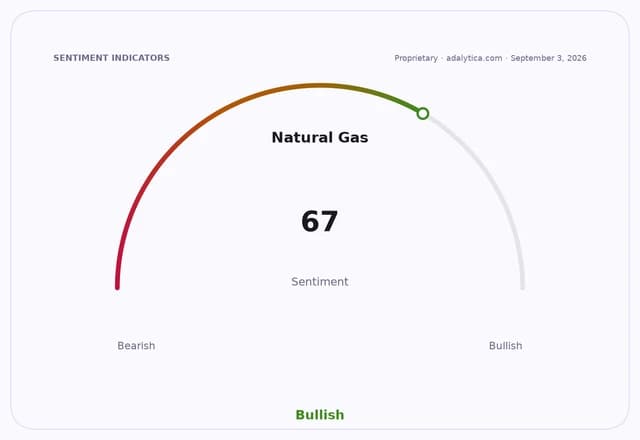
That matters because global gas markets are still tight enough to react to any credible addition to future supply. European storage is about 65.09% full, below levels seen during the 2022 crisis, and gas prices have roughly doubled from calmer periods, leaving the market highly sensitive to fresh supply risk from the Middle East and elsewhere.
The bigger narrative is that Iran is trying to reassert itself as a long-term gas producer just as the world is watching expansion plans across the sector, from national champions to international majors and traders. Any progress at the new field could bolster Iran’s bargaining power in regional energy talks and, if sanctions ease or workarounds hold, eventually feed more gas into markets that remain vulnerable to weather, outages and geopolitical shocks.
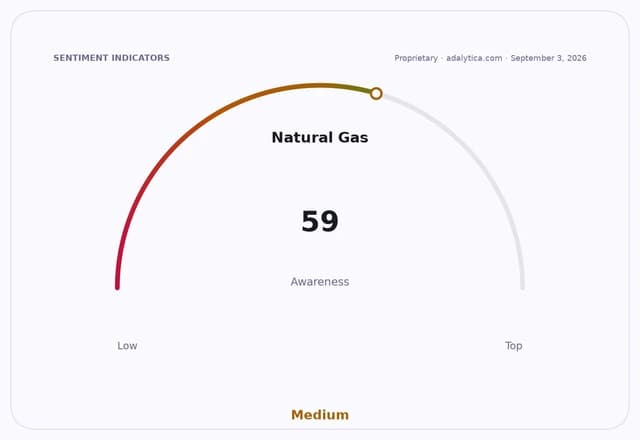
For energy investors, the immediate impact is more about optionality than volume: a larger resource base can support future reserve valuation, service demand and project bidding, but only if development advances beyond discovery. The near-term catalyst is whether Iran names partners, outlines a development timetable or links the field to South Pars infrastructure, while traders will keep one eye on European storage and winter pricing.
| Entity | Gains | Losses |
|---|---|---|
| Iran / NIOC | ▲Bigger reserve base | ▼Pressure to fund development |
| Gas service firms | ▲Future project demand | ▼Sanctions and execution risk |
| European buyers | ▲Potential future supply | ▼Less leverage if supply grows |
| LNG bulls / shorts | ▲Bulls lose scarcity support | ▼Shorts gain from added supply optionality |