Iran Inflation, Protests and Trade Disruption
Iran’s deepening economic collapse is turning a geopolitical standoff into a domestic survival crisis, and that is what makes this story far bigger than another round of street protests. With annual inflation estimated at about 80% in August and food prices up roughly 130%, millions of households are being pushed past the point where wages, pensions and savings can keep up. That is feeding a broader wave of labor unrest, with teachers, pensioners, nurses and workers openly challenging a state that is already under war pressure and struggling to keep imports, exports and oil revenues flowing.
For investors, the key message is that sanctions and blockade risk are no longer abstract headline risk around Iran — they are transmitting directly into supply chains, currency dynamics and regional inflation. When a country loses 35% of its imports and exports, as President Masoud Pezeshkian said the naval blockade has done, the effect is not confined to Tehran. It raises the cost of getting goods across borders, squeezes domestic business formation and pushes more of the economy into distress sales, barter and informal channels. That matters because it raises the odds of further instability in one of the world’s most strategically sensitive energy corridors.
The economic damage is already visible in the details. Small businesses say price changes now happen within hours, not weeks. One entrepreneur described having to cut all 12 employees and run his company alone because he can no longer replace inventory at the price he just sold it for. Another said importing goods has become a “game of chess” because supply routes have shifted from ports to costly overland trucking and rail through neighboring countries. These are classic symptoms of an economy losing its commercial plumbing: if merchants cannot price goods reliably, they stop restocking, capital formation freezes and shortages compound inflation.
Households are absorbing the shock with no cushion left. An elderly pensioner in Tehran said his pension does not cover even the first week of the month and that he has sold his car to pay for medicine and bills. A young designer said she has already started liquidating gold and dollars just to survive. Those are not isolated anecdotes; they fit the broader estimate that 40% of Iran’s population is already below the absolute poverty line, with another 40% at risk of falling into it. Once savings are exhausted, the next pressure point is social order.
That is why the labor response matters to markets. Teachers have threatened not to begin the new university term unless the government raises pay, while pensioners and public-sector workers keep protesting unpaid wages and pensions. The regime’s harsh response — including executions and arrests — may suppress dissent temporarily, but it also underscores how fragile the domestic backdrop has become. A state spending more energy on coercion than stabilization is less capable of repairing consumption, restoring confidence or rebuilding trade flows.
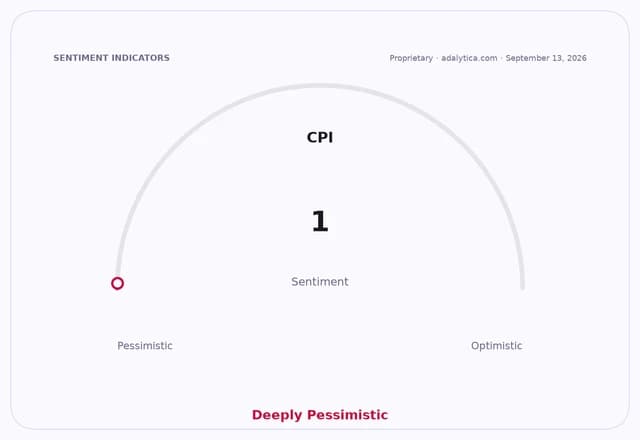
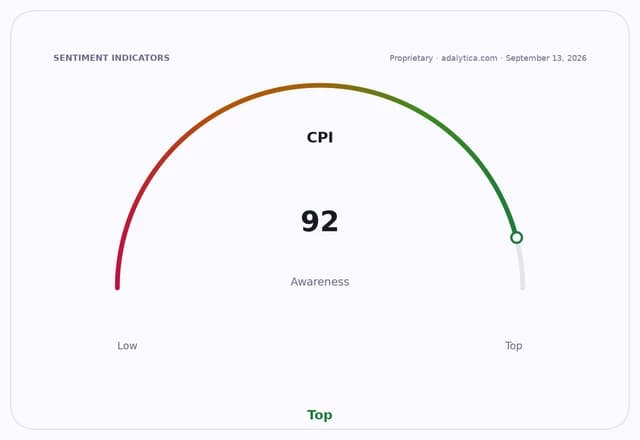
The investable angle is that Iran’s crisis is reinforcing a global regime of higher energy risk rather than lower. Conflict around the Gulf has already helped drive oil-backed assets higher, with the U.S. oil ETF USO surging well above its 50-day and 200-day moving averages and RSI readings showing stretched momentum. Gold has also held at elevated levels, reflecting persistent demand for geopolitical hedges even after pullbacks. In contrast, broad equity sentiment is flashing fear, showing how quickly a regional supply shock can widen into a macro trade.
The market underestimates the second-order effects. Higher fuel costs can re-ignite inflation globally, complicate central-bank easing and keep capital rotating toward commodities, defense, logistics and infrastructure names with direct exposure to supply disruption rather than consumer discretionary or import-dependent sectors. The strongest beneficiaries are the toll roads of the new energy order: shippers, pipeline operators, defense contractors, precious-metals exposure and select energy producers with pricing power. The losers are Iranian consumers, local retailers, importers and any global manufacturer exposed to Gulf transit risk.
Our thesis is simple: this is no longer just an Iran story, it is an inflation, energy and geopolitical risk story with investable consequences. If the blockade persists and protests spread, the next leg is likely more currency stress, more supply distortions and more upside for hard-asset hedges. Investors should stay positioned for persistent geopolitical volatility, not a quick normalization.
| Entity | Gains | Losses |
|---|---|---|
| Oil producers | ▲Higher prices | ▼Demand-sensitive buyers |
| Gold holders | ▲Safe-haven inflows | ▼Risk assets |
| Iranian households | ▲— | ▼Real incomes, savings |
| Importers/retailers | ▲— | ▼Margins, inventory restocking |