Iran Peru ties break, oil market implications
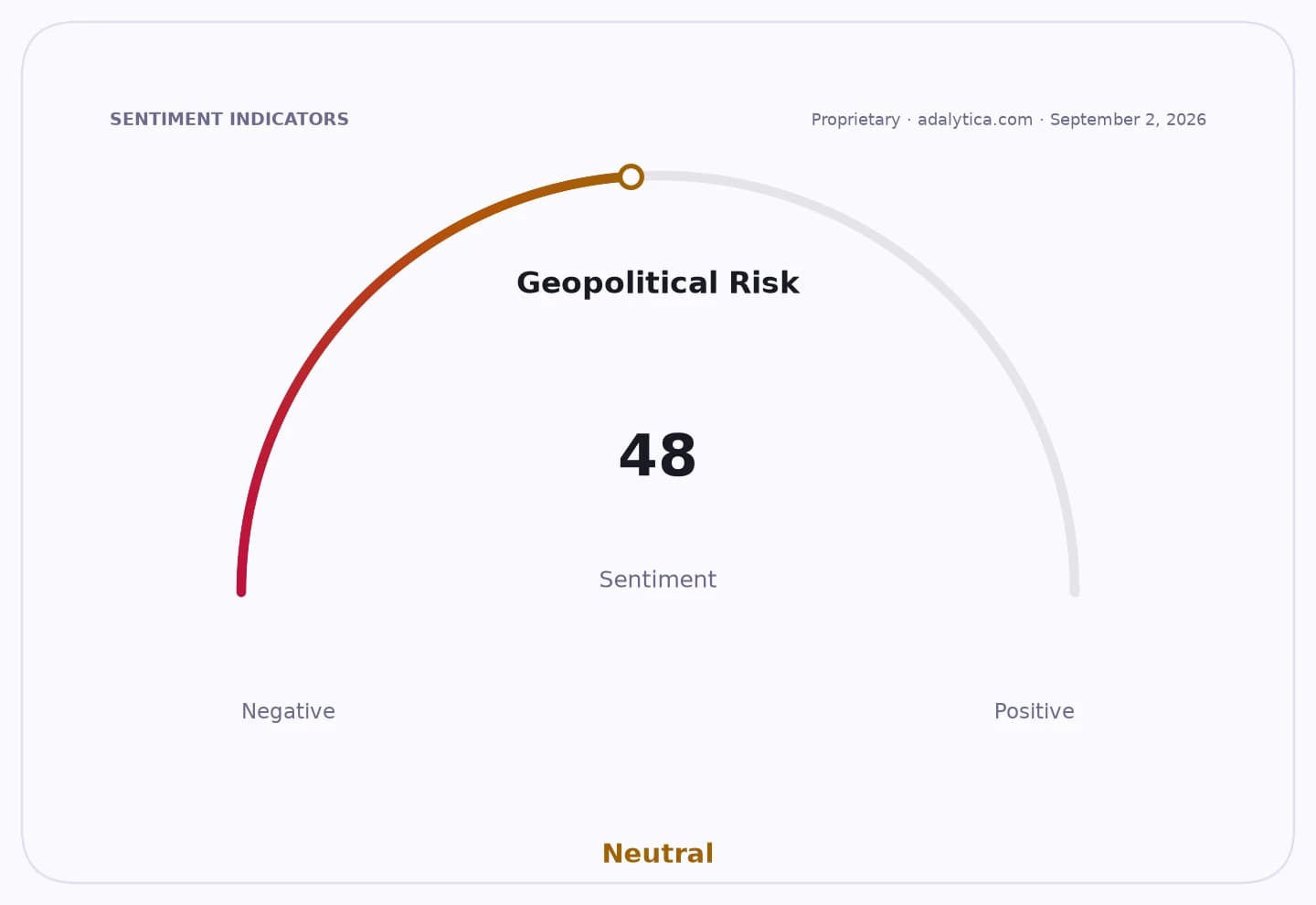
Peru’s decision to sever diplomatic relations with Iran matters less as a bilateral rupture than as a signal that political risk around Tehran is widening beyond the Middle East and into Latin America, where governments are increasingly factoring security, sanctions exposure and alignment with Western policy into foreign policy.
Lima said it was breaking off ties over Iran’s role in regional conflicts, democratic backsliding and nuclear ambitions, making the move one of the sharper diplomatic responses in South America to Tehran’s conduct. The step follows Chile’s decision to close its embassy in Tehran by the end of August, a narrower move that still pointed to rising caution across the region. Together, they suggest Iran’s international isolation is becoming more costly not only in Europe and the Gulf, but also in parts of Latin America where commercial and political links are limited and the reputational downside is rising.
For markets, the immediate economic impact is modest. Peru is not a major trade counterparty for Iran, and the dispute is not likely to move commodity flows on its own. But the wider backdrop matters because geopolitical fragmentation tends to feed risk premia in energy, shipping and broader emerging-market sentiment. Iran remains central to Middle East security and to oil-market pricing, so any fresh evidence of diplomatic hardening elsewhere reinforces the premium investors assign to supply disruption risk. That is consistent with the sharp move in USO, the U.S. oil fund, which has climbed to about $141, near the top of its recent range and above its 50-day and 200-day moving averages.
Technically, crude-related risk appetite looks stretched. USO’s relative strength index is at 69.1, close to overbought territory, while the fund trades just under its recent upper Bollinger Band. That does not mean a reversal is imminent, but it does show that oil has already priced in a sizeable amount of geopolitical concern. For equity investors, the parallel message is less about Peru specifically and more about how persistent Middle East tensions can keep energy costs elevated, complicate inflation trends and support cyclical volatility even when broader stocks remain near highs.
That tension is visible in the U.S. market backdrop as well. SPY has recovered strongly from its spring weakness and remains above both its 50-day and 200-day moving averages, but it ended the latest session below its recent peak and with momentum indicators easing from overheated levels. In other words, investors are still pricing a resilient U.S. economy, yet they are also leaving room for shocks from oil, diplomacy and supply chains to filter into valuations.
The broader narrative is that Iran’s diplomatic isolation is no longer just a Middle East story. As governments in the Americas distance themselves, investors should watch for any further regional defections, changes in sanctions coordination and, most importantly, whether tensions around Iran spill into energy markets again. If they do, oil-linked assets stand to benefit while importers, airlines and rate-sensitive equities remain exposed to a renewed inflation impulse.
| Entity | Gains | Losses |
|---|---|---|
| Oil producers | ▲Higher crude risk premium | ▼None from the move |
| Energy investors | ▲Support for oil-linked assets | ▼Import-cost pressure |
| Peru | ▲Security signaling | ▼Diplomatic flexibility |
| Iran | ▲None | ▼Further isolation |