Iran sanctions pressure oil exports and economy

Iran is running out of room to absorb the pressure from Washington’s economic crackdown, and that matters far beyond Tehran. The country is facing what the IMF says will be a 5.4% contraction in GDP this year, its worst performance since the 1980s, as U.S. sanctions, shipping restrictions and a tightening dollar squeeze oil exports, imports and daily commerce.
That is the real story here: this is no longer just a sanctions regime on paper. It is cutting into the mechanics of an economy that still depends on crude sales and foreign currency to function. When an exporter cannot move barrels, collect payments reliably or pay for imported food and industrial goods, the damage quickly spreads from state revenues to household budgets and then to political stability.
The numbers show the strain. According to Kpler data cited by the Wall Street Journal, no Iranian tanker has been able to leave since the U.S. Navy reimposed a blockade in mid-July. Iran is still selling some oil from ships outside the blockade zone, but those stocks have dropped from 90 million barrels to 29 million barrels since mid-July. At the current pace of roughly 1 million barrels a day, Kpler estimates those inventories could be exhausted within a month, while payments for delivered cargoes may stop coming by mid-December.
That is especially important for investors because oil is not just Iran’s lifeline; it is a key lever on global energy markets. Brent-linked trading has already reflected the tension, with conventional technical indicators on U.S. oil showing prices well above both the 50-day and 200-day moving averages and RSI readings near overbought territory. USO and energy-sector ETF XLE have also climbed sharply, underscoring how geopolitical risk can quickly reprice the entire oil complex.
For the broader economy, the pain is feeding on itself. Shipping costs from China have jumped from about $3,000 a container to nearly $10,000, while overland freight now costs at least $16,000, according to the reporting. Trade in the oil sector has fallen by almost 40% from prewar levels. Annual inflation is running at 70%, food inflation has reached 128%, and the rial has slumped to 2.2 million per dollar, deepening the squeeze on consumers already facing shortages and a much more expensive import bill.
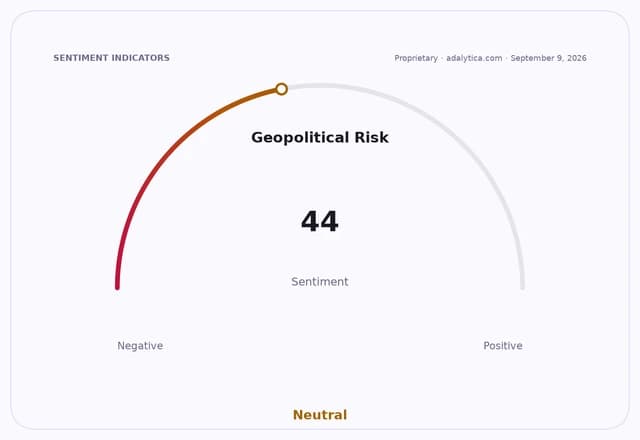
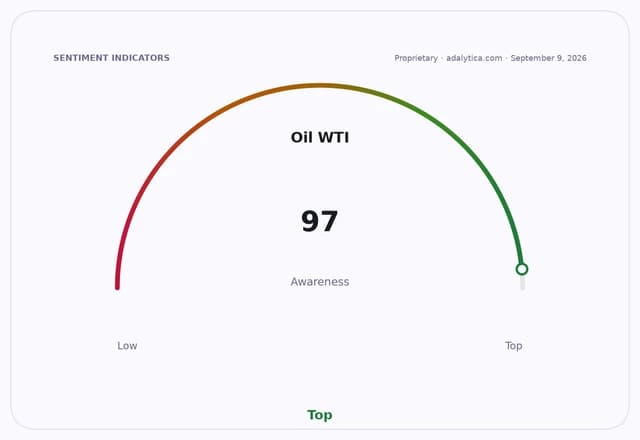
The geopolitical wrinkle is that economic pressure may also make the region less stable, not more. Gulf officials and analysts warn that harsher sanctions could push Tehran toward retaliation, and Iran-backed Houthi attacks on Saudi Aramco are a reminder that stress inside Iran can spill into shipping lanes, energy infrastructure and regional security. Adalytica’s Global Stability Sentiment remains neutral but has weakened sharply over the past month, while its oil trade signals show extreme market attention to the risk premium.
For long-term investors, the lesson is not to chase the crisis but to understand the companies and assets most exposed to it. Oil producers, tankers, shipping insurers and defense-related names can benefit when Middle East tensions keep crude volatile, while import-dependent businesses and consumer-facing firms in the region are more vulnerable. Iran’s crisis is becoming an energy-market story, a trade story and a stability story all at once — and that makes it worth watching closely, not trading blindly.
| Entity | Gains | Losses |
|---|---|---|
| Oil producers | ▲Higher risk premium | ▼Cheaper crude prices |
| Tanker and shipping firms | ▲Scarcity-driven freight gains | ▼Blocked routes, delays |
| Iranian households | ▲None | ▼Food inflation, shortages |
| U.S. sanctions policy | ▲More pressure on Tehran | ▼Risk of wider retaliation |