Iran Sarajeh Gas Storage Expands by 50%
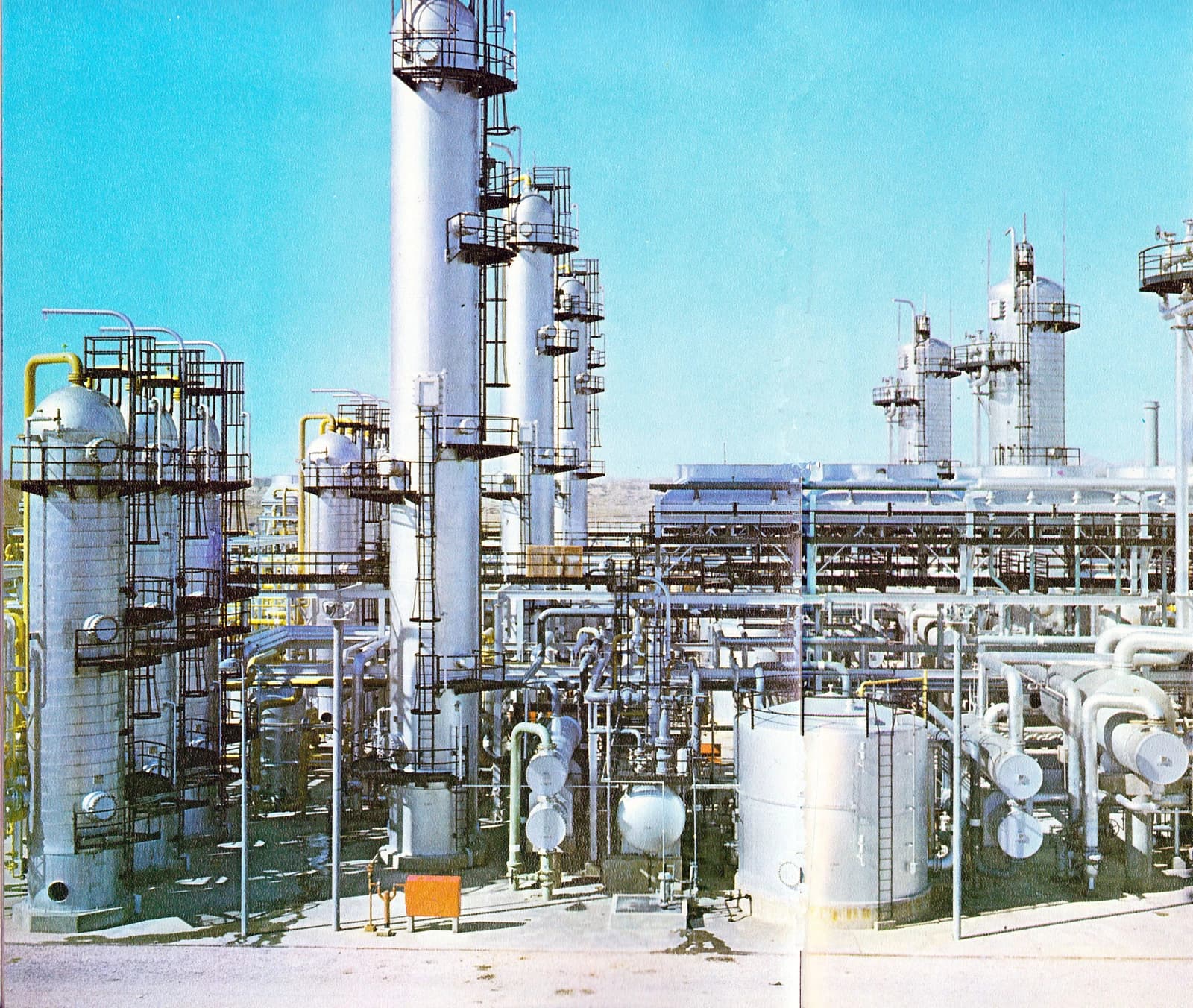
Iran is set to expand the Sarajeh underground gas storage facility by 50%, a move that would deepen the country’s ability to ride out winter demand spikes after war damage squeezed its gas system and exposed the fragility of critical energy infrastructure.
The upgrade matters because gas is the backbone of Iran’s domestic power and heating network, and any shortfall quickly feeds into electricity generation, industrial output and winter fuel security. Tehran is trying to harden the system before the cold months by lifting storage, pushing ahead with new pipelines and restoring damaged processing plants at South Pars, the country’s key gas complex.
Sarajeh currently holds 1 billion cubic meters, according to the Gas Development and Engineering Company of Iran. A 50% increase would make that reservoir a materially more important buffer against seasonal stress, especially if production remains disrupted by the March 18 air strikes that hit four South Pars processing plants. The company said repair work is underway, with the sixth processing plant assigned for restoration.
The investment case here is less about a single facility than the broader capex cycle around Iranian gas infrastructure. Iran plans to commission 517 kilometers of new transmission pipelines in the current Iranian year, after already adding 774 kilometers and four turbo-compressor units in the prior year. That tells investors and traders that despite sanctions and conflict risk, Tehran is still prioritizing midstream resilience — a pattern that supports contractors, equipment suppliers and domestic gas-linked industrial activity.
For the market, the immediate read-through is tighter supply-risk management rather than a sudden output surge. Underground storage and pipeline buildouts do not replace lost upstream capacity overnight, but they can reduce the odds of winter bottlenecks, which is exactly where pricing and policy pressure tends to concentrate. In a region where energy infrastructure has become a geopolitical target, resilience itself is becoming an economic asset.
The wider implication is that Iran is moving to protect its domestic gas market at a time when Europe is also scrambling to secure storage before winter. That parallel underscores a broader global theme: gas infrastructure is no longer a background utility story, but a strategic battleground where storage, transmission and processing capacity directly shape energy security and market volatility.
For investors, the takeaway is that the best opportunities often sit one layer beneath the headlines. The market tends to focus on spot gas prices and geopolitics, but the real durable trade is in the infrastructure that keeps molecules moving. In this case, Iranian storage expansion is another reminder that gas logistics, not just gas production, will determine who has leverage when temperatures fall.
| Entity | Gains | Losses |
|---|---|---|
| Iran / NIGC | ▲Winter supply resilience | ▼Exposure to outages |
| Gas contractors | ▲More project spending | ▼Delayed repairs |
| Iranian households / industry | ▲Better fuel security | ▼Shortage risk |
| Gas bulls | ▲Higher infrastructure premium | ▼Less immediate panic trade |