Iran Tensions Keep Energy Assets Bid
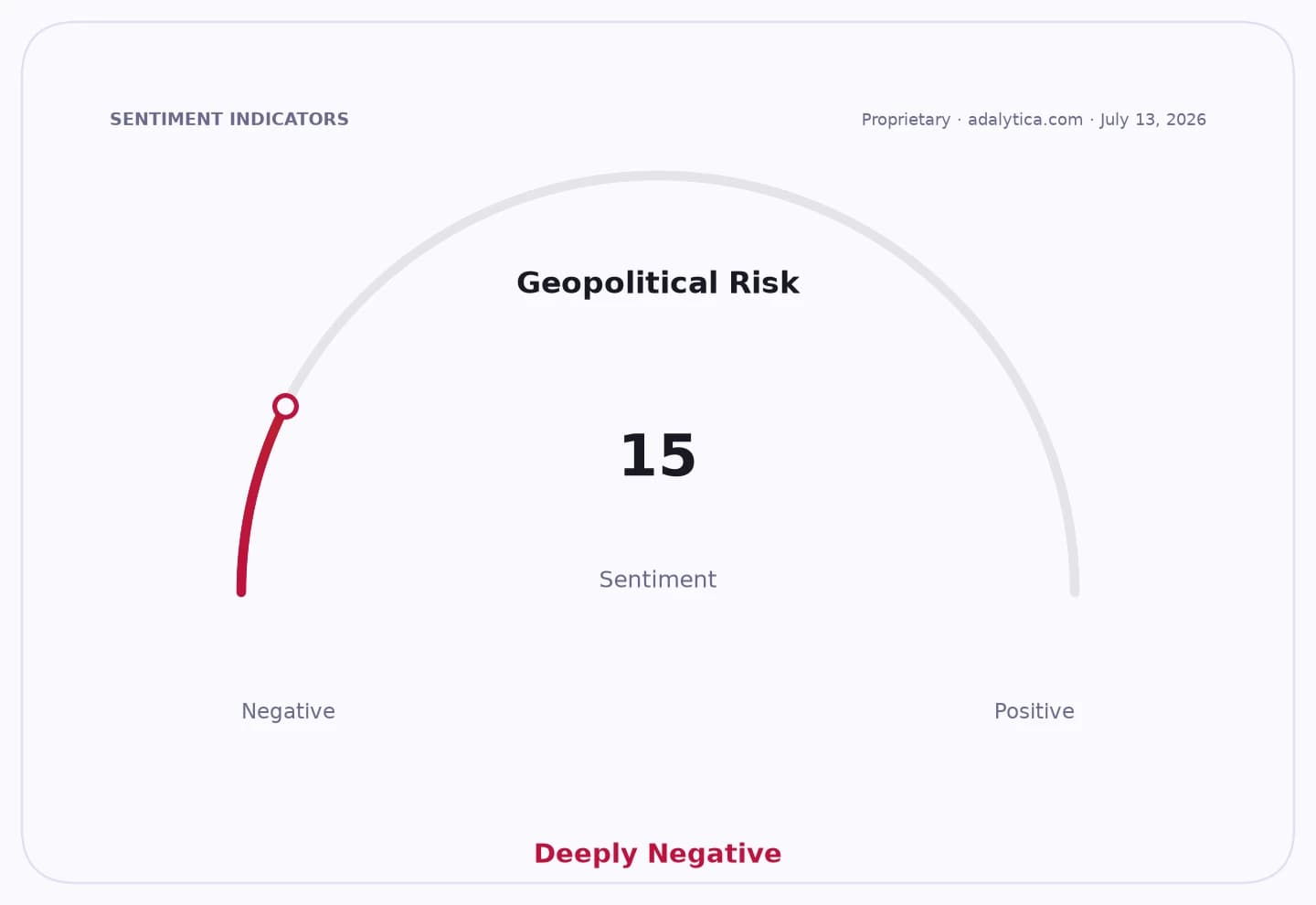
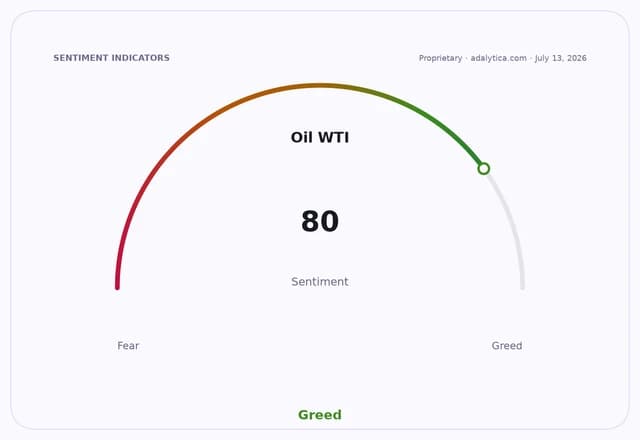
Oil is once again the market’s pressure valve as the US-Iran confrontation deepens and talks to contain it struggle to gain traction.
That matters because the price of crude is not just about barrels in the ground — it is about the risk premium investors are willing to pay when the Strait of Hormuz, sanctions, and military escalation all sit in the same headline. For consumers, a higher oil price can feed through to gasoline and transportation costs. For companies, it can squeeze margins or fatten profits depending on whether they consume energy or produce it. For investors, it can quickly reshape the winners and losers across the energy complex.
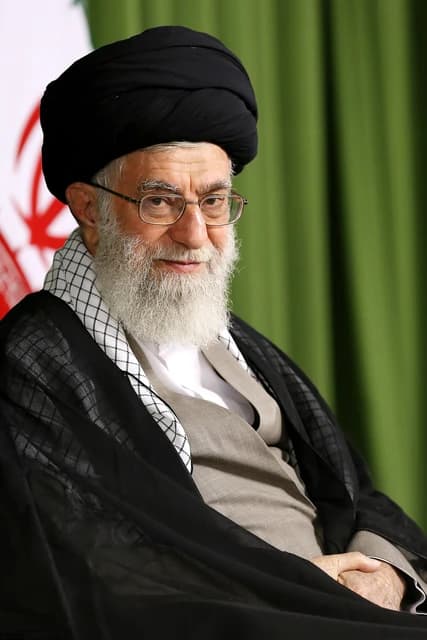
The latest flare-up has raised the odds of a wider Gulf disruption after renewed US airstrikes on Iran’s southern coast, Iranian retaliation, and the collapse of a fragile truce. That is exactly the kind of geopolitical stress that tends to push traders toward energy assets before the damage is fully visible in the physical market.
You can see that in the numbers. USO, a widely followed oil fund, has surged to 108.70 from 106.29 in late June, but the bigger story is the violent swing before that move: it traded as high as 152.96 in May, then sank hard before rebounding again. The fund is still far above its 50-day and 200-day moving averages, which tells investors the broader trend remains elevated even after the pullback. Technical readings also show the move has been strong enough to keep momentum in focus, with conventional RSI and MACD indicators still pointing to a market that is sensitive to fresh shocks.
Energy equities have benefited, too. The Energy Select Sector SPDR Fund has climbed back to 55.08, well above its long-term trend line, suggesting investors still see energy as a hedge against geopolitical risk even after the sector’s earlier cooling. And LNG has been the standout, with shares near 258.64 after a sharp run, reflecting how conflict fears can lift the appeal of exporters tied to global supply security.
That is the key investment narrative here: the Iran conflict is no longer just a diplomatic story. It is a pricing story. When negotiations look shaky and retaliation escalates, oil producers, LNG exporters, and energy infrastructure names tend to gain relative appeal, while airlines, transport firms, chemical companies, and other fuel-sensitive businesses face a tougher earnings backdrop.
The broader message for long-term investors is not to chase every spike in crude, because geopolitical premiums can fade as quickly as they appear. But this is a reminder that energy still belongs in a diversified portfolio, especially for anyone trying to weather inflation shocks or supply disruptions. If the conflict keeps simmering, oil could remain volatile for weeks or months, and that may keep attention on companies with strong free cash flow, disciplined capital spending, and the ability to profit even when the macro picture gets messy.
For investors, the best approach is patience. The conflict may dominate headlines day to day, but the more durable lesson is to own businesses — and funds — that can benefit from persistent energy security concerns without relying on perfect timing. In this environment, oil and LNG stocks are worth watching, especially if diplomacy keeps stalling.
| Entity | Gains | Losses |
|---|---|---|
| Oil producers | ▲Higher realized prices | ▼Demand volatility |
| LNG exporters | ▲Supply-security premium | ▼Export disruption risk |
| Fuel consumers | ▲Lower input costs if talks calm | ▼Higher operating costs |
| Diplomats / peace talks | ▲De-escalation chance | ▼Reduced leverage if fighting intensifies |