Iran Hedges on TRIPP Corridor in Armenia
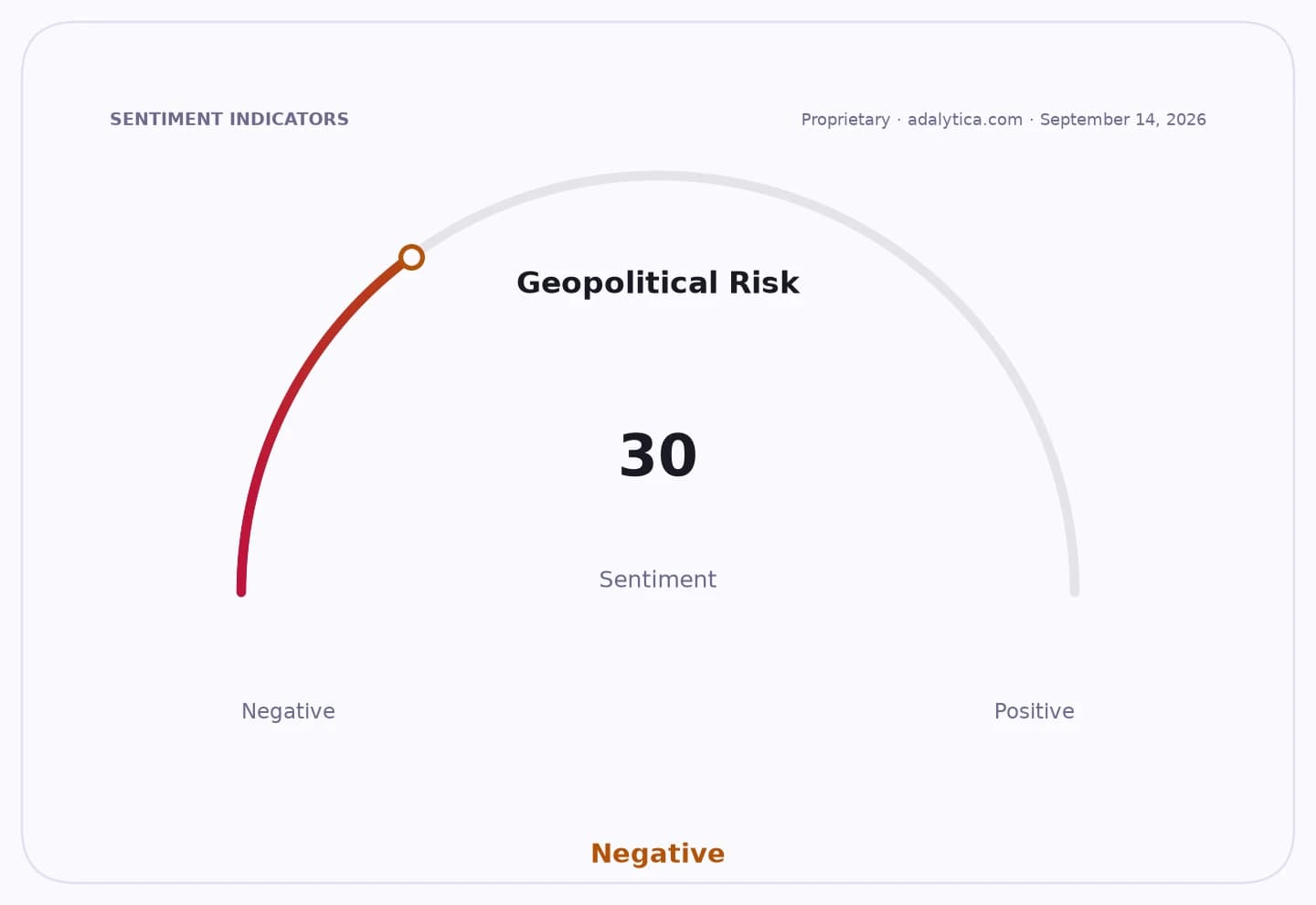
Iran has not yet settled on a final position on the Trump Route for International Peace and Prosperity, or TRIPP, even as Tehran demands firm guarantees that the corridor through southern Armenia will not become a platform for anti-Iran operations.
That matters because TRIPP is not just another transit project: it is a geopolitical test of whether the South Caucasus will be pulled deeper into a U.S.-backed logistics map that sidesteps Iran and Russia. For Tehran, the project touches its core security red lines — no extraterritorial route, no erosion of Armenian sovereignty, and no third-country military presence, especially U.S. forces, along the corridor. For investors, the issue is bigger than a border road. It is about the next phase of regional realignment, the rerouting of trade flows, and the winners in infrastructure, energy, defense and logistics as the Middle Corridor gains influence.
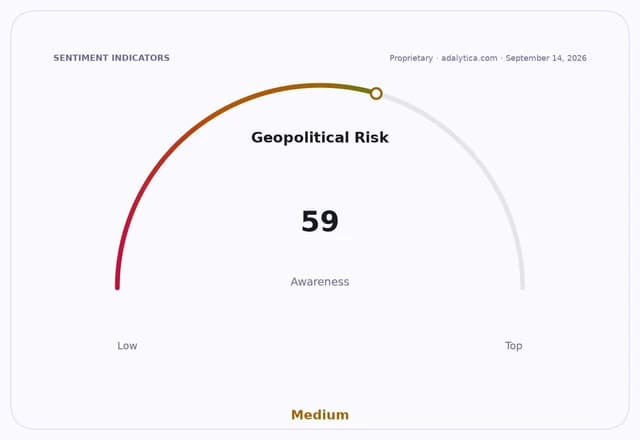
Political analyst Ara Poghosyan said on Abovyan Time that Iranian President Masoud Pezeshkian and Foreign Minister Abbas Araghchi have both signaled that reassurance from Yerevan has not eliminated Tehran’s doubts. In other words, Iran is still hedging, not endorsing. That creates a window for diplomacy, but also a risk of delay or dilution if Tehran concludes the route strengthens U.S. leverage near its border.
The market implications go beyond Armenia and Azerbaijan. The TRIPP framework, first outlined after the Aug. 8, 2025 Washington declaration signed by Armenian Prime Minister Nikol Pashinyan and Azerbaijani President Ilham Aliyev, is designed to give Azerbaijan commercial access to Nakhichevan through Armenia’s Syunik region. The same broader contest is weighing on the Iran-India Chabahar corridor, which Tehran had hoped would offer an alternative north-south logistics spine through Armenia and Georgia to the Black Sea. Poghosyan said Indian investment in Chabahar has been delayed, underscoring how U.S. pressure can constrain Iran’s ability to build competing routes.
That is why this story matters to capital allocation. If the Middle Corridor keeps gaining policy support while Russia and Iran are bypassed, money will keep flowing toward ports, rail, customs, construction, energy transport and security assets tied to that route. The flip side is clear: Iran’s logistics ambitions remain boxed in, and any project linked to cross-border transit in the Caucasus will face heightened geopolitical scrutiny and financing risk.
For investors, the trade is not to chase the headline, but to position for the infrastructure buildout that follows if the route advances. That favors firms and ETFs exposed to transport infrastructure, defense logistics and Eurasian trade corridors, while keeping a cautious eye on countries and assets most exposed to sanctions friction or regional disruption. The market is underestimating how much bargaining power this corridor could unlock — and how long Tehran may try to slow it down.
| Entity | Gains | Losses |
|---|---|---|
| Armenia-Azerbaijan transit route | ▲Potential trade flow | ▼Geopolitical friction |
| Iran | ▲Security concerns addressed | ▼Transit leverage |
| U.S. / Middle Corridor backers | ▲Regional influence | ▼None if project stalls |
| Chabahar / Iran-India route | ▲Strategic relevance if revived | ▼Delay and financing drag |