Iran, UAE Meet as Regional Risk Eases
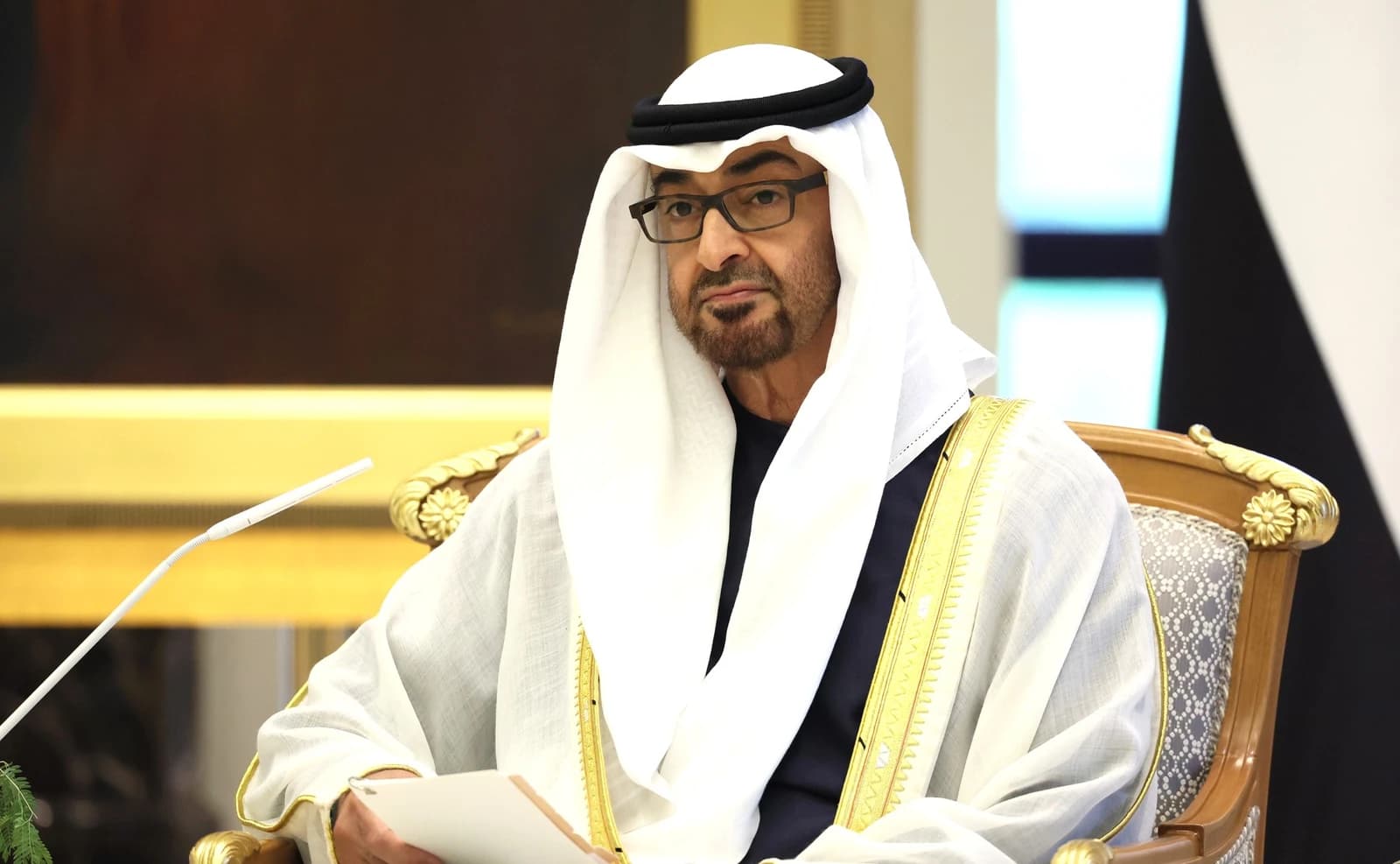
Iran’s president met with the UAE leadership on Monday in a sign the two countries are trying to lower regional risk at a time when markets are still pricing the Middle East as a live energy and shipping shock.
The significance is less about the optics of diplomacy than the economic message: Tehran and Abu Dhabi are signaling they want to protect trade, investment and transit routes even as wider regional tensions remain elevated. For investors, that matters because the Gulf remains central to oil supply, tanker traffic and capital flows through the UAE’s role as a regional financial and logistics hub.
The meeting between Masoud Pezeshkian and UAE President Sheikh Mohammed bin Zayed Al Nahyan follows recent discussions on the sidelines of the BRICS summit and comes after both sides have indicated they want to “put the past behind” them. That language points to a pragmatic reset rather than a strategic alliance, but even limited détente can reduce the risk premium embedded in energy, shipping and defense-linked assets.
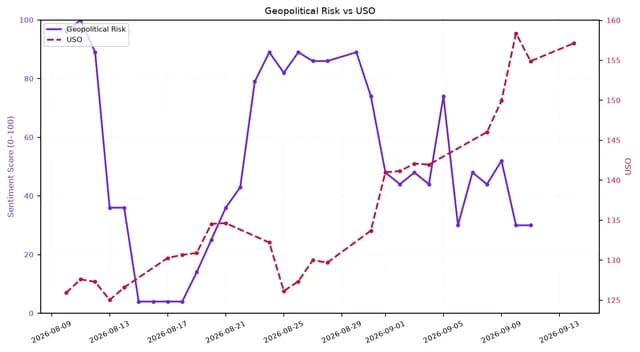
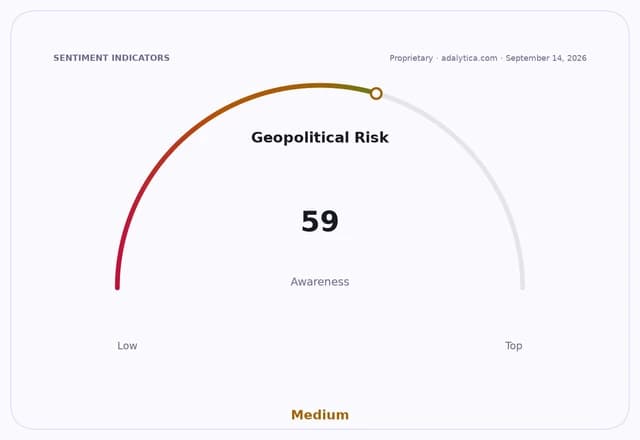
That premium has been volatile. USO, the crude oil ETF, has climbed to $157.14 from $112.21 in early July, while XLE has risen to $64.82 from $55.60 over the same period, reflecting the market’s willingness to pay up for supply disruption hedges. On the currency side, the dollar has also strengthened, with Adalytica’s U.S. dollar trade signals showing greed at 79 and awareness at 77, suggesting investors have been leaning toward safe-haven positioning even as geopolitical sentiment remains in fear territory at 30.
Technically, oil remains extended. USO is trading above its 50-day and 200-day moving averages, with a relative strength index of 77.8, a level that typically indicates a stretched trend rather than a cheap entry point. XLE is similarly firm, though not as overheated, with its RSI at 61.3. That leaves room for a diplomatic thaw to cap further upside in crude if traders judge the risk of escalation through the Strait of Hormuz or broader Gulf infrastructure to be receding.
The bull case for a UAE-Iran thaw is straightforward: fewer threats to tanker routes, lower insurance costs, less pressure on regional logistics and a better backdrop for Gulf capital spending. The bear case is that the relationship remains transactional and fragile, with past attacks on Kuwait, Bahrain, Jordan and Iraqi Kurdistan underscoring how quickly tensions can return. In that scenario, markets would likely keep a security premium in oil, defense and the dollar.
For investors, the key question is whether this becomes a durable de-escalation or just another pause in a volatile regional cycle. If the diplomacy sticks, the biggest losers are likely to be crude bulls and geopolitical hedges; if it fails, energy and defense assets stay supported and the UAE’s role as a regional safe haven remains intact.
| Entity | Gains | Losses |
|---|---|---|
| Iran | ▲Reduced isolation | ▼Leverage from tensions |
| UAE | ▲Lower regional risk | ▼Some security premium |
| Oil bulls / USO | ▲— | ▼Higher-crude hedges |
| Regional trade and logistics | ▲Smoother flows | ▼Disruption pricing |