Iran Warns US on Oil and Treasury Yields
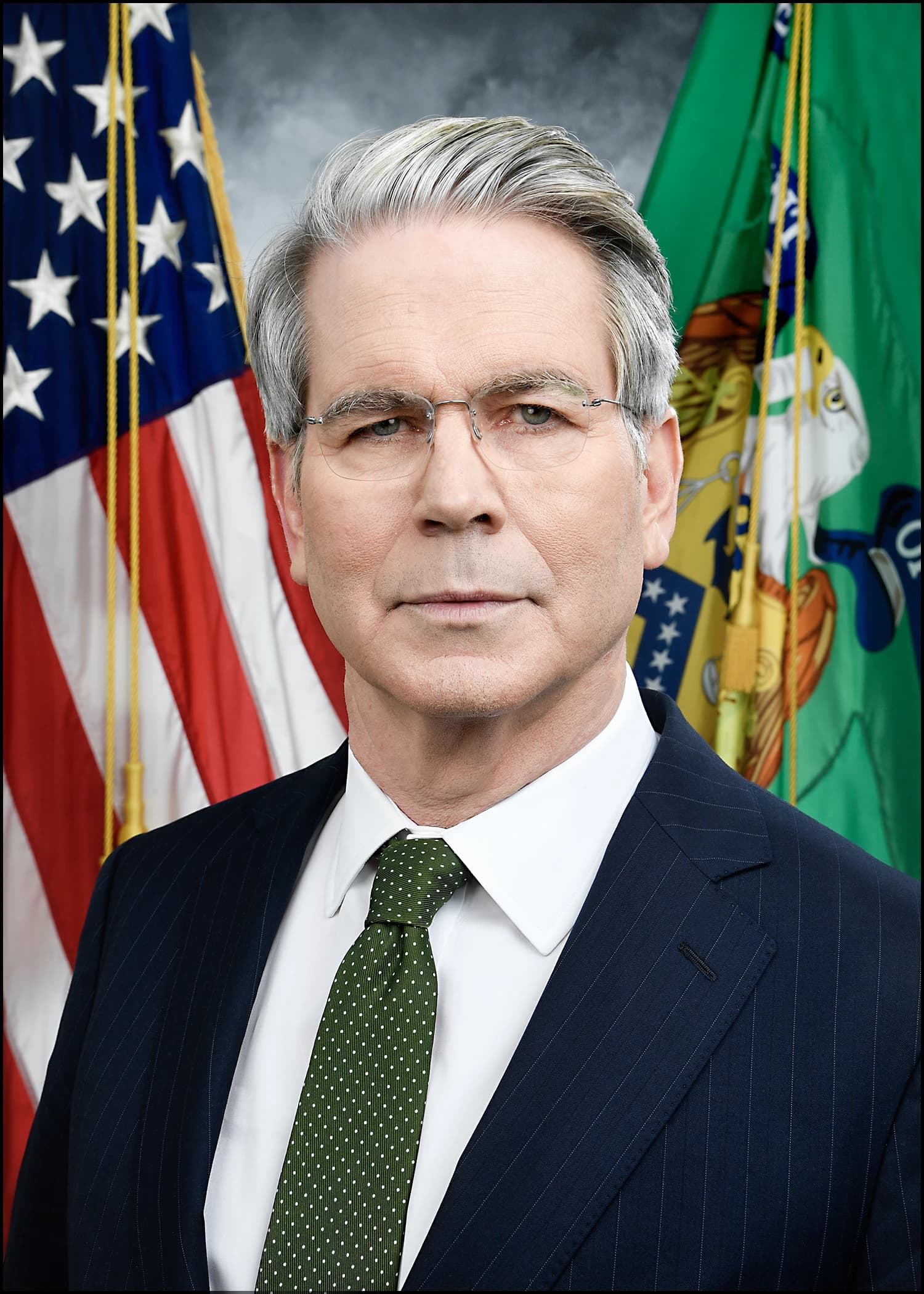
Iran’s parliament speaker has turned the latest escalation with Washington into a direct warning on the two pressure points now hitting the US hardest: energy and funding costs. Mohammad Bagher Ghalibaf’s message to Treasury Secretary Scott Bessent came as strategic oil inventories have been drawn down to their lowest level since the early 1980s and long-dated Treasury yields remain elevated, underscoring how geopolitical confrontation is feeding into both inflation risk and fiscal financing conditions.
Ghalibaf’s post on X on Sept. 3 framed the US as vulnerable after heavy use of the Strategic Petroleum Reserve and Bessent’s efforts to buy back Treasury notes in an attempt to steady the bond market. The political point is obvious; the economic one is more important. If oil supply through the Strait of Hormuz is disrupted again, higher crude prices would complicate the Federal Reserve’s inflation fight, raise transport and input costs, and force investors to reprice the path for rates and growth. If Treasury yields stay sticky despite official support, Washington’s borrowing costs stay high at a time when the administration wants to lower them before the midterm campaign.
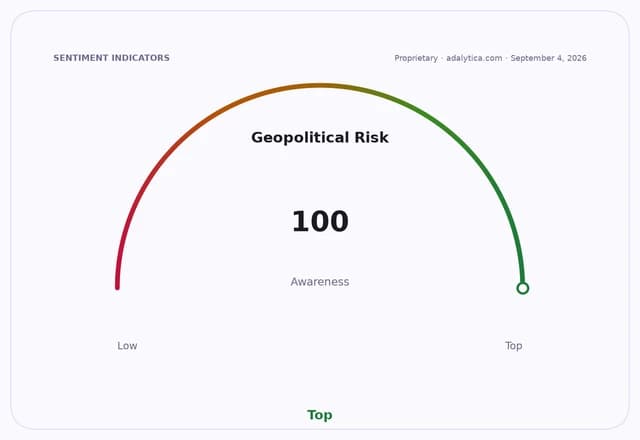
That intersection is why Iranian officials are leaning into the issue. The SPR, stored in underground salt caverns in Texas and Louisiana, is not just an emergency buffer; it is a market signal. With stocks depleted to multi-decade lows, the cushion against a supply shock is thinner than in previous Middle East crises. IRNA said concerns are also growing over structural stress in the caverns from repeated drawdowns, which would make replenishment slower and more costly if the US needs to rebuild reserves after a further spike.
Oil traders have already moved to price in the risk. Oman and UAE crude benchmarks, closely watched as proxies for expected flows through Hormuz, have climbed above $100 in recent days. That matters because the strait remains the world’s most important oil chokepoint, and any sustained premium there would ripple through refined products, freight rates and inflation expectations. In equity markets, that typically supports energy producers and commodity hedges while pressuring airlines, transport names and broader consumer-sensitive sectors.
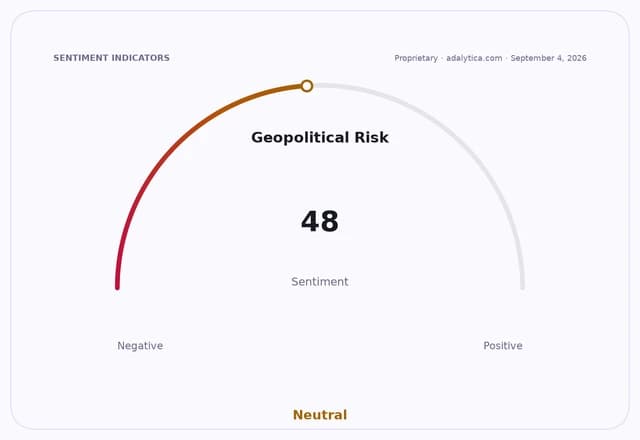
The market backdrop also helps explain the tone from Tehran. US crude fund USO has surged well above its 50-day and 200-day moving averages, while the relative strength index has been in deeply overbought territory, consistent with a market still pricing a severe supply-risk premium. Gold has also advanced, with GLD trading near its highs and above both the 50-day and 200-day averages, a sign that investors are still buying insurance against geopolitical and macro instability. By contrast, the dollar has been less decisive, suggesting the market is not yet treating the flare-up as a full-blown systemic shock, but rather as a live risk premium that could widen quickly.
For Bessent, the bond-market piece is just as sensitive. Treasury buybacks can help smooth liquidity at the margin, but they do not change the underlying math if inflation expectations rise or if fiscal supply remains heavy. That is why critics on Wall Street have questioned whether the intervention can deliver a durable decline in yields. If oil rises at the same time, the policy trade-off becomes harder: the government can try to support bond prices, but higher energy costs would work in the opposite direction by keeping nominal yields and inflation compensation elevated.
The bull case for markets is that this is sabre-rattling rather than a sustained disruption, and that the US and its Gulf partners can keep Hormuz open. The bear case is that both the energy and rates channels worsen together: higher crude feeds inflation just as weaker confidence and larger borrowing needs keep Treasury yields under pressure. For investors, that means the trade is less about the rhetoric itself than about whether it translates into tighter physical oil supply, steeper inflation expectations and another leg higher in safe-haven demand.
What happens next will hinge on whether the military escalation around the Gulf intensifies and whether the US can signal enough supply resilience to blunt the oil premium. Until then, Iran is effectively betting that Washington’s weakest points are visible in the market tape.
| Entity | Gains | Losses |
|---|---|---|
| Iran | ▲Leverage in confrontation | ▼Exposure to retaliation |
| US oil producers | ▲Higher crude prices | ▼SPR depletion risk |
| Treasury market bulls | ▲Policy support bids | ▼Higher inflation pressure |
| Consumers and airlines | ▲Lower fuel costs if tensions ease | ▼Higher energy costs if oil rises |