Iraq studies 2 million bpd crude pipeline network
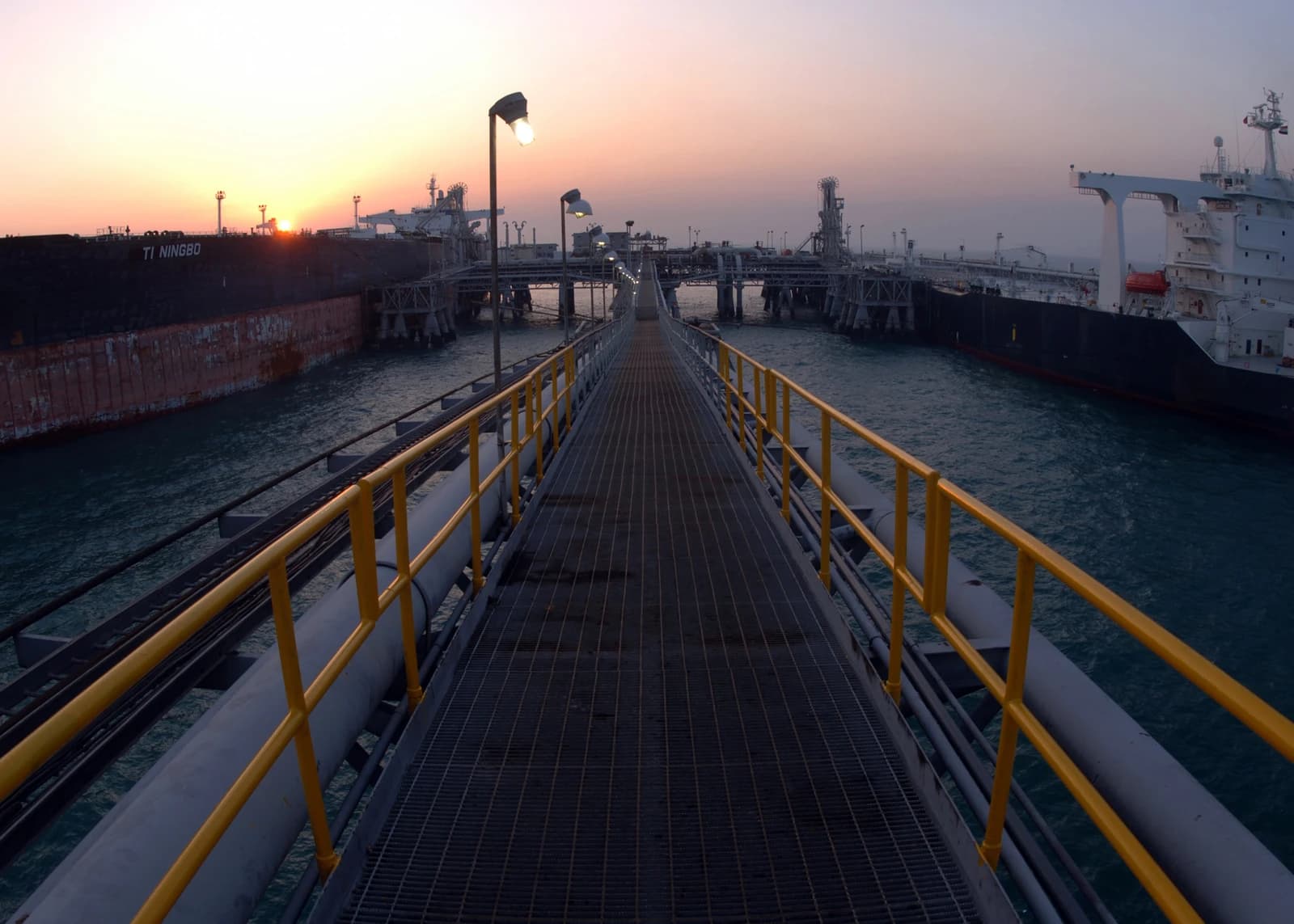
Iraq has begun studies for a proposed 2 million barrels per day crude pipeline network that would give it a new export corridor and help reduce reliance on vulnerable shipping routes in the Middle East.
The state news agency said the planned 1,000-kilometer system would run from Basra to Haditha and then split into two export routes, one toward Syria’s Baniyas port and another toward Fishkhabour on the Iraqi-Turkish pipeline. If built, the network would be a major piece of export infrastructure for OPEC’s second-largest producer and could reshape how Iraqi barrels reach global markets.
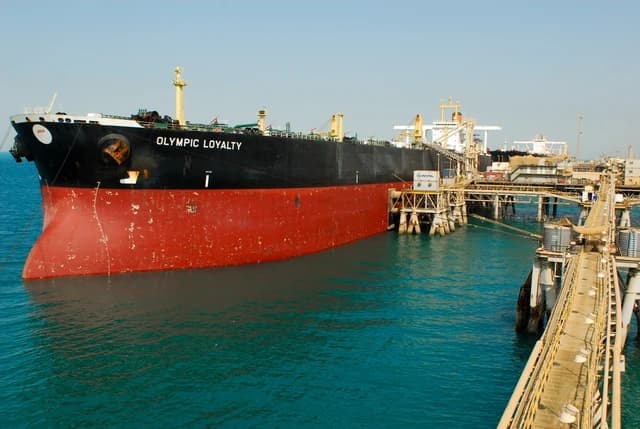
The economic significance is straightforward: Iraq is trying to secure more export capacity for a sector that drives most government revenue. A pipeline of this size would give Baghdad more flexibility to move crude away from the Strait of Hormuz-dependent southern export complex and toward overland routes, a priority as regional security risks keep energy infrastructure in focus.
For oil markets, the project matters less for near-term supply than for optionality. Iraq already ships most crude through the south, but extra routing capacity would improve resilience against disruptions and could support higher long-run exports if fields continue to expand. That comes at a time when front-month crude remains firm, with Brent trading around $92.65 a barrel and U.S. oil near $91.15, while energy equities have also pushed higher, with the XLE ETF at $65.10.
The plan also fits a broader regional pattern of pipeline investment as producers look to bypass chokepoints and diversify transit. The appeal is especially clear for investors in oil services, midstream contractors and integrated producers with exposure to the Middle East, where infrastructure build-outs can create multi-year order flow even before first crude moves.
The question now is whether Iraq can turn a study into financing, permits and cross-border agreements. Any delays would leave the country still dependent on existing export routes, while progress would likely draw attention from traders, state oil buyers and service companies watching for the next major Iraq energy project.
| Entity | Gains | Losses |
|---|---|---|
| Iraq | ▲More export capacity | ▼Reliance on southern routes |
| Oil producers in Iraq | ▲Better transit options | ▼Bottlenecks at existing terminals |
| Midstream contractors | ▲Potential project work | ▼Firms tied to older routes |
| Global oil importers | ▲More supply security | ▼Less leverage from chokepoint risk |