Iraq Seeks Higher OPEC+ Production Baseline
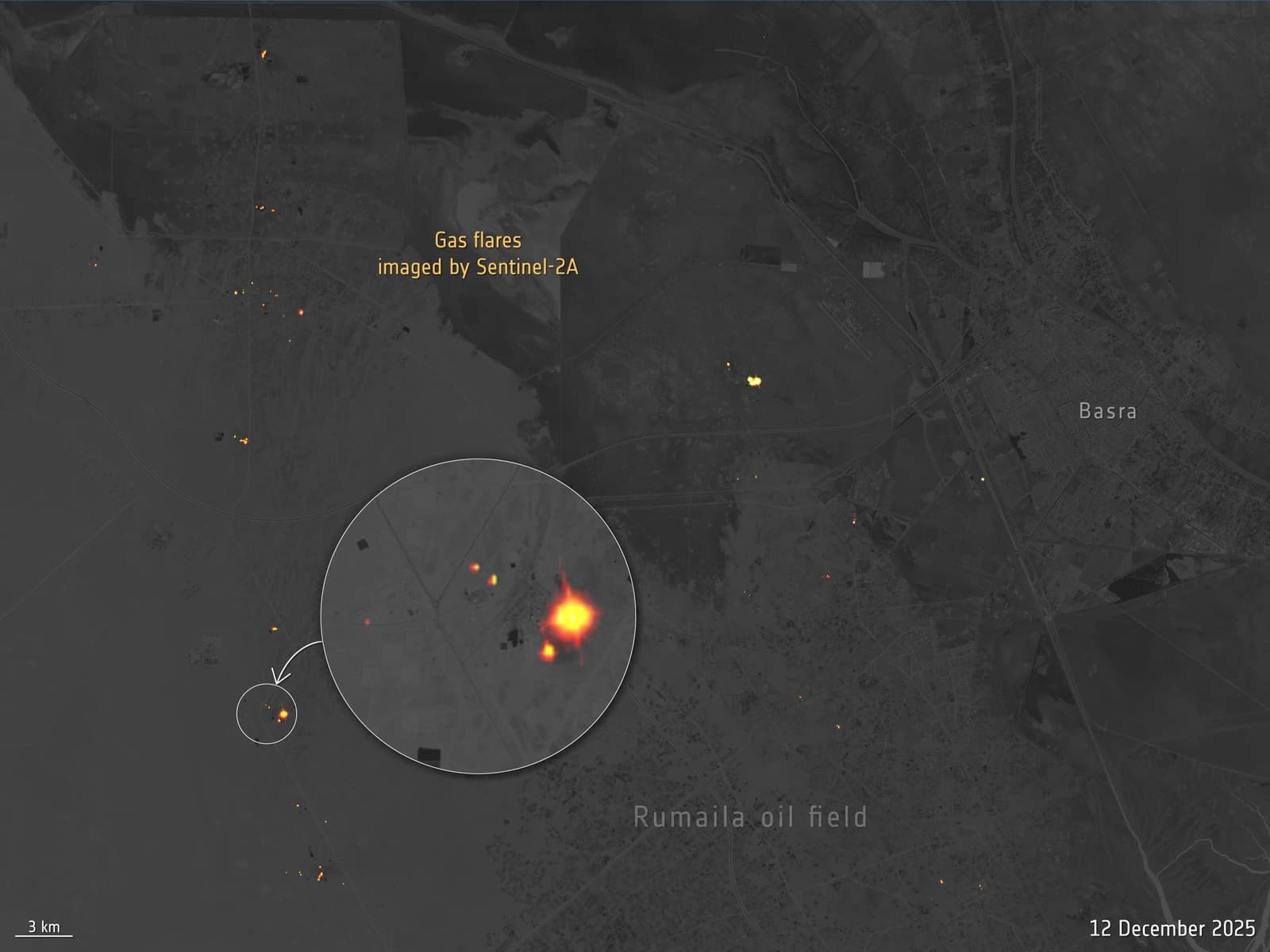
Iraq is pressing OPEC+ to recognize a much higher production baseline, a move that could reshape next year’s quotas, loosen supply discipline and set off a fresh fight over who gets to pump what in the world’s most important oil alliance.
The Baghdad government wants its future target calculated from 6 million barrels a day, well above its current 4.431 million bpd OPEC+ ceiling for September and October, according to people familiar with the talks. If accepted, the request would give Iraq room to raise output materially over time and could force other producers to defend their own shares in a review now being carried out by an outside consultant, DeGolyer and MacNaughton.
That matters because OPEC+ is trying to reconcile quotas with actual capacity at a moment when the market is already balancing geopolitical disruptions, patchy demand and the risk of a renewed glut. OPEC has been cutting its global demand-growth forecast repeatedly, while supply from the Middle East remains vulnerable to conflict. A larger Iraqi baseline would effectively redistribute future barrels inside the cartel, not just reward Baghdad.
For investors, the immediate issue is not only whether Iraq gets more barrels, but whether the review becomes the template for broader quota inflation across OPEC+. Higher baselines tend to embolden members to push harder for production gains, which can weaken price discipline if demand does not keep pace. That is a direct risk for crude, refiners and energy equities that have been trading on the assumption that OPEC+ can keep supply tightly managed.
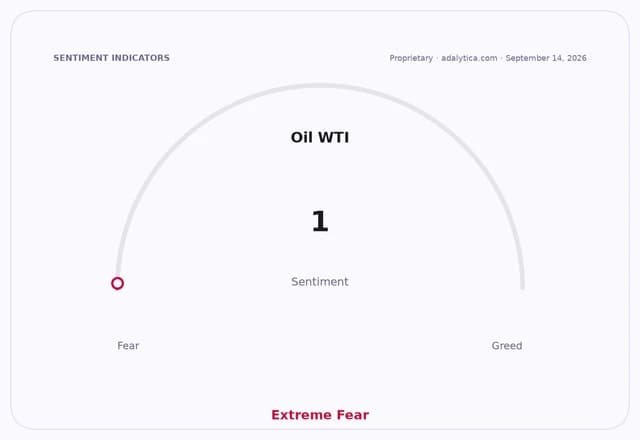
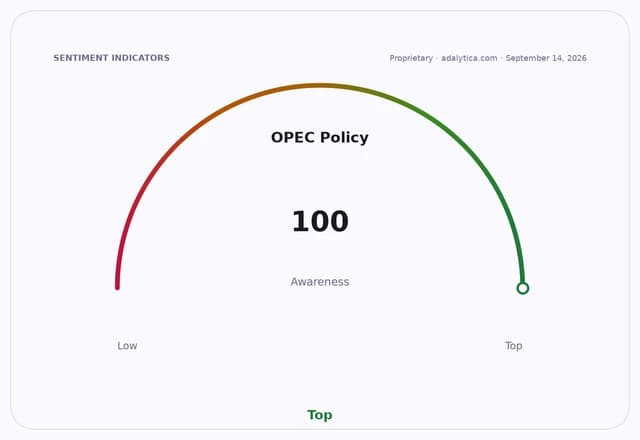
The market is already showing how sensitive it is to supply shocks. Brent and WTI have been volatile as disruptions tied to the Iran conflict crimp flows from the Gulf, while U.S. oil funds and energy stocks have rallied sharply. Adalytica’s OPEC policy sentiment gauge shows awareness at extreme levels, but sentiment remains neutral, suggesting traders are watching policy risk without fully pricing a sustained quota shift yet.
Iraq’s push is also a reminder that the country wants more than a bigger share on paper. Officials have said they want output to rise to 5 million bpd after the Iran war ends, and Baghdad has spoken more ambitiously about reaching about 10 million bpd by 2030. That puts the current 2.98 million bpd average output reported for August in stark relief and underscores how far actual production remains below the government’s long-term rhetoric.
The real catalyst comes later this month, when the capacity review is due to be completed before ministers sign off on the results at their November meeting. If OPEC+ validates Iraq’s demand, it could open the door to a broader reset of the group’s production map. If it does not, Baghdad’s willingness to keep pressing raises the risk of more internal friction just as the cartel needs cohesion to manage a fragile oil market.
For investors, the tradeable message is straightforward: watch for beneficiaries of tighter OPEC discipline if Iraq loses ground, and for lower crude prices if the review turns into a precedent for higher quotas across the alliance. In a market already driven by geopolitics, this could be the next structural swing factor for oil.
| Entity | Gains | Losses |
|---|---|---|
| Iraq | ▲Higher quota, more export room | ▼Current production ceiling |
| Other OPEC+ producers | ▲Quota clarity if review is strict | ▼If Iraq wins more share |
| Oil bulls | ▲Supply discipline if Iraq is denied | ▼If quotas expand broadly |
| Consumers / refiners | ▲Lower crude costs if output rises | ▼Higher prices if OPEC+ tightens |