Iraq Talks Could Ease Oil Supply Risk
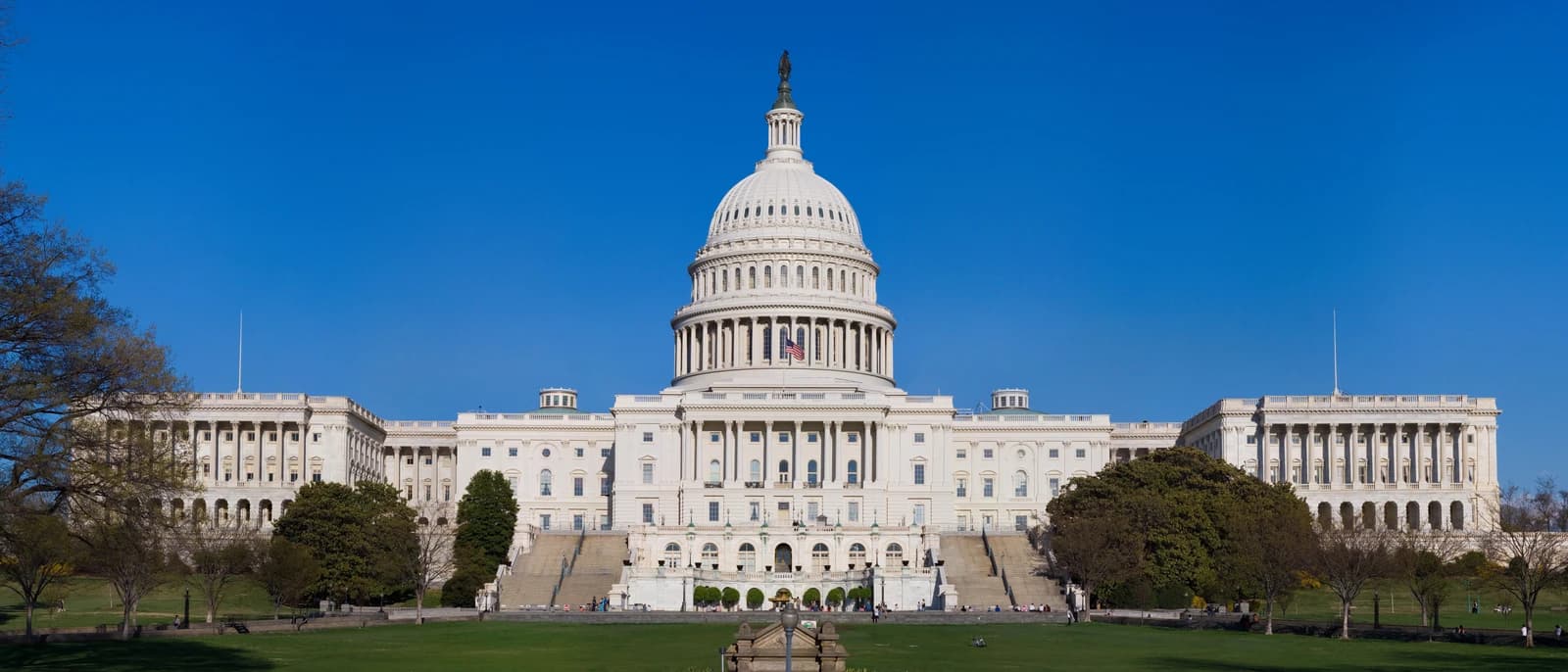
Iraq’s prime minister will travel to Washington on Monday seeking oil and gas agreements that could help Baghdad expand exports, attract U.S. investment and reduce pressure on one of the world’s most vulnerable energy corridors.
The timing matters because the talks come as Middle East supply risk is already elevated. Iraq is looking to diversify export routes and boost production just as regional tensions and attacks on energy shipping have pushed crude volatility higher, keeping traders focused on any deal that could alter flows from the Gulf.
For investors, the stakes are immediate. Brent and U.S. oil benchmarks have been trading with a strong geopolitical premium, and any progress on Iraqi energy deals could shape expectations for future supply, infrastructure spending and the role of U.S. firms in Iraq’s upstream and midstream sectors.
The market backdrop shows how sensitive energy assets are to headlines out of the region. The U.S. Oil Fund, which tracks crude futures, has been volatile, with its conventional technical indicators showing a still-heated setup: the 50-day moving average sits well below the latest price, while the RSI has eased from extremely overbought levels but remains elevated. Energy equities have also been firmer, with the Energy Select Sector SPDR Fund holding above its longer-term averages even after recent swings.
That matters for oil producers and service companies with exposure to Iraq, where infrastructure, sanctions risk and route security all affect project economics. Any Washington agreements that speed up gas capture, power supply or export capacity could support cash flows for international operators while also strengthening Iraq’s leverage as a non-OPEC-plus swing factor in the region.
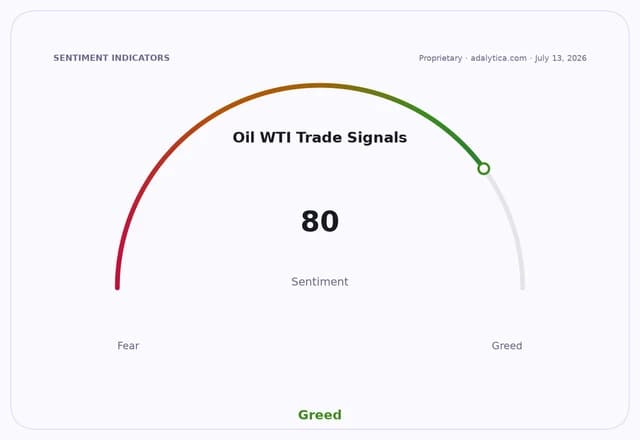
The broader narrative is one of supply security overtaking pure demand questions. With global stability gauges flashing extreme fear even as oil-specific sentiment stays elevated, investors are likely to treat Monday’s meeting as a test of whether Iraq can turn geopolitical disruption into longer-term energy investment.
The next catalyst is the outcome of the Washington talks and any detail on whether the deals cover export capacity, gas development or U.S. participation in projects that could reshape Iraq’s energy links to the West.
| Entity | Gains | Losses |
|---|---|---|
| Iraq government | ▲Export leverage, investment | ▼Route dependence |
| U.S. oil and gas firms | ▲Deal opportunities | ▼Policy and security risk |
| Oil bulls | ▲Supply-risk premium | ▼If flows stabilize |
| Importers/consumers | ▲More supply diversity | ▼Lower urgency for tighter prices |