Iraq Reviews Ties With Iran Over Arms Control
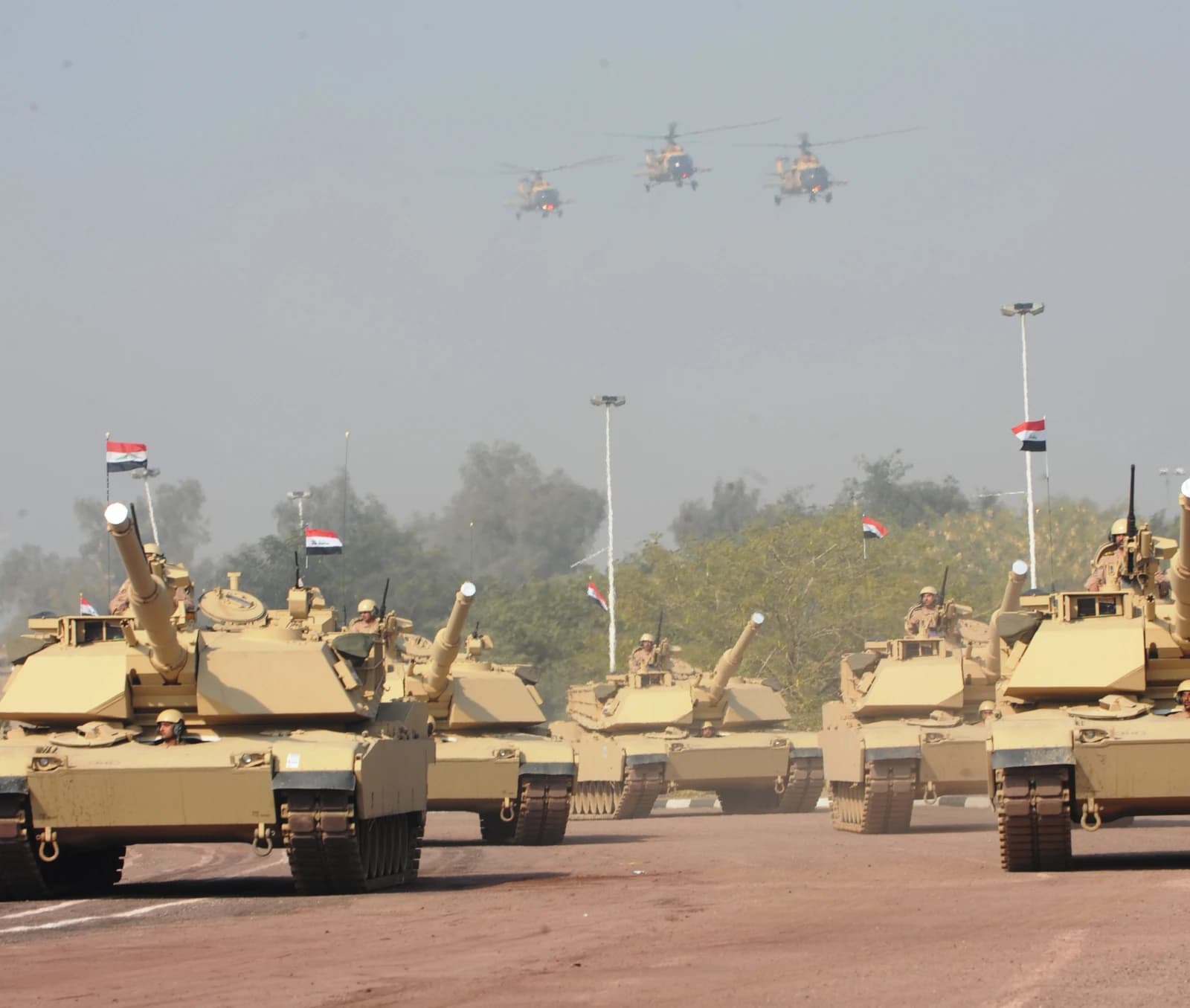
Iraq’s president has signaled a sharper break with Tehran by backing state control over arms and saying Baghdad is reviewing its relationship with Iran, a shift that could reshape the balance of power inside Iraq and reprice political risk across the region.
The most important economic implication is not the rhetoric itself, but what it suggests about Iraq’s ability to consolidate authority over armed groups that have long complicated security, investment and state finances. A government that can assert a monopoly on force is better placed to improve internal stability, attract foreign capital, and negotiate with neighboring states and international lenders from a position of greater credibility. By contrast, continued fragmentation among state and non-state actors keeps a drag on public investment, energy projects and trade flows.
The statement also lands in a broader regional context of elevated geopolitical sensitivity. Adalytica’s Global Stability Sentiment gauge remains neutral at 43, but its one-day and seven-day gains show how quickly the market can shift its attention to tensions involving Iraq and Iran. That matters because Iraq sits at the intersection of Gulf energy routes, cross-border commerce and militia influence, making it a potential transmission point for any deterioration in regional stability.
For investors, the key question is whether the review of ties with Iran becomes a durable policy shift or remains a political signal. A credible move toward restricting weapons to the state would be bullish for Iraqi sovereign risk over time, supporting domestic banks, reconstruction plays and energy-linked assets that benefit from lower security premiums. It would also be watched closely by regional equities and oil traders, who tend to price any hint of militia escalation, border disruption or pressure on Iraqi production and exports.
The market backdrop is mixed. Shares linked to Gulf and broader emerging-market exposure have held up better than Iraq-specific risk assets would in a severe escalation scenario, but the operating assumption remains that stability is fragile. Conventional technical indicators on the Qatar and Saudi market proxies show no broad panic, yet Iraq-related headlines can still trigger local repricing even when regional benchmarks are calm. That asymmetry is why traders focus less on the headline and more on whether Baghdad can follow through on enforcement.
The bear case is straightforward: if the government cannot translate the president’s words into policy, armed factions retain de facto power and Iran retains leverage through political and security networks. The bull case is that Iraq is beginning to reclaim sovereign control in a way that could reduce long-run fiscal and security costs and improve the investment case for one of the region’s most underpenetrated markets.
For now, investors are likely to treat the announcement as a geopolitical watchpoint rather than a single-event trade. But if Baghdad follows through, the payoff could extend beyond Iraq’s borders: lower security risk, better policy transmission and a more investable state.
| Entity | Gains | Losses |
|---|---|---|
| Iraqi government | ▲Stronger sovereignty | ▼Armed groups |
| Foreign investors | ▲Lower risk premium | ▼Conflict-sensitive capital |
| Iran | ▲Retains leverage if talks stall | ▼Influence if Baghdad hardens stance |
| Regional markets | ▲Stability premium if de-escalation holds | ▼Volatility if tensions escalate |