Ireland’s government is raising bus and rail fares by 15% on average from January, a move that will lift travel costs for millions of passengers and underline how far the state is willing to stretch subsidies as it seeks to expand public transport.
Ireland raises bus and rail fares 15% from January

Taoiseach Micheál Martin defended the increase on Thursday, saying the government is “not in a position to fund everything forever” and that public transport needs “sustainable funding models” if services are to keep growing. The National Transport Authority said the first broad fare change since 2018 will help pay for more capacity, expanded routes and better connectivity.
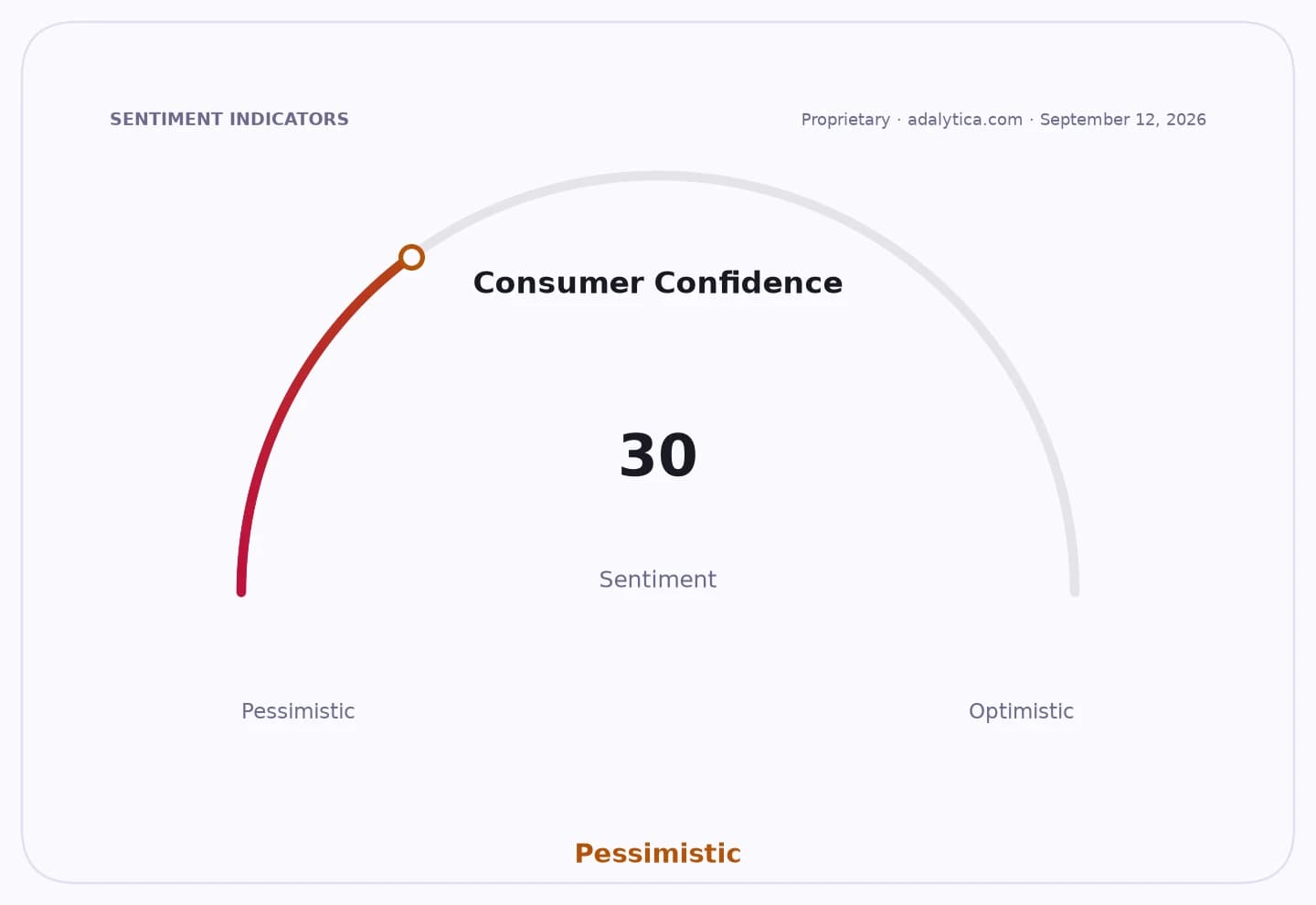
Sentiment IndicatorsⓘProprietary · adalytica.com · September 3, 2026
This is a snapshot — live sentiment, awareness and momentum for 130+ markets update continuously in the dashboard.Open AlphaPulse

The higher charges will hit State-subsidised public service obligation routes run by Dublin Bus, Bus Éireann, Irish Rail, Luas, Go Ahead Ireland and TFI Local Link. In Dublin, the TFI 90 fare will rise 30 cent to €2.30 for adults, while adult town fares will increase 10% to €1.65.
The government is trying to balance affordability with a larger transport system after years of heavy state support. Martin said public transport funding has already risen sharply, with subvention and other supports close to €1 billion, and Transport Minister Darragh O’Brien said the new fare structure is needed to back roughly 140 new and improved services under programmes such as Connecting Ireland and BusConnects.
For consumers, the increase is a direct hit to household budgets at a time when transport costs remain sensitive to inflation. For the state, it is a signal that fare revenue will play a bigger role in funding expansion rather than relying almost entirely on subsidies.
For investors, the main read-through is to Irish transport operators and infrastructure-linked spending, where stronger fare income could support network growth but also risks dampening demand if passengers react by cutting trips. The NTA said many child fares will fall, free travel for children under nine and people over 66 will remain unchanged, and most fares will still be below 2018 levels.
The key question now is whether higher fares slow the passenger gains seen in recent years or prove acceptable as Dublin and regional services expand. The change takes effect in January, making the next ridership updates a first test of how much pricing power Ireland’s public transport network really has.
| Entity | Gains | Losses |
|---|---|---|
| NTA / State operators | ▲More fare revenue | ▼Pressure to justify pricing |
| Dublin Bus, Bus Éireann, Irish Rail, Luas | ▲Better funding for expansion | ▼Risk of softer demand |
| Government / taxpayers | ▲Less subsidy burden | ▼Public backlash over costs |
| Commuters / households | ▲Child and senior protections | ▼Higher travel bills |