Iron and cement prices rise, construction costs up
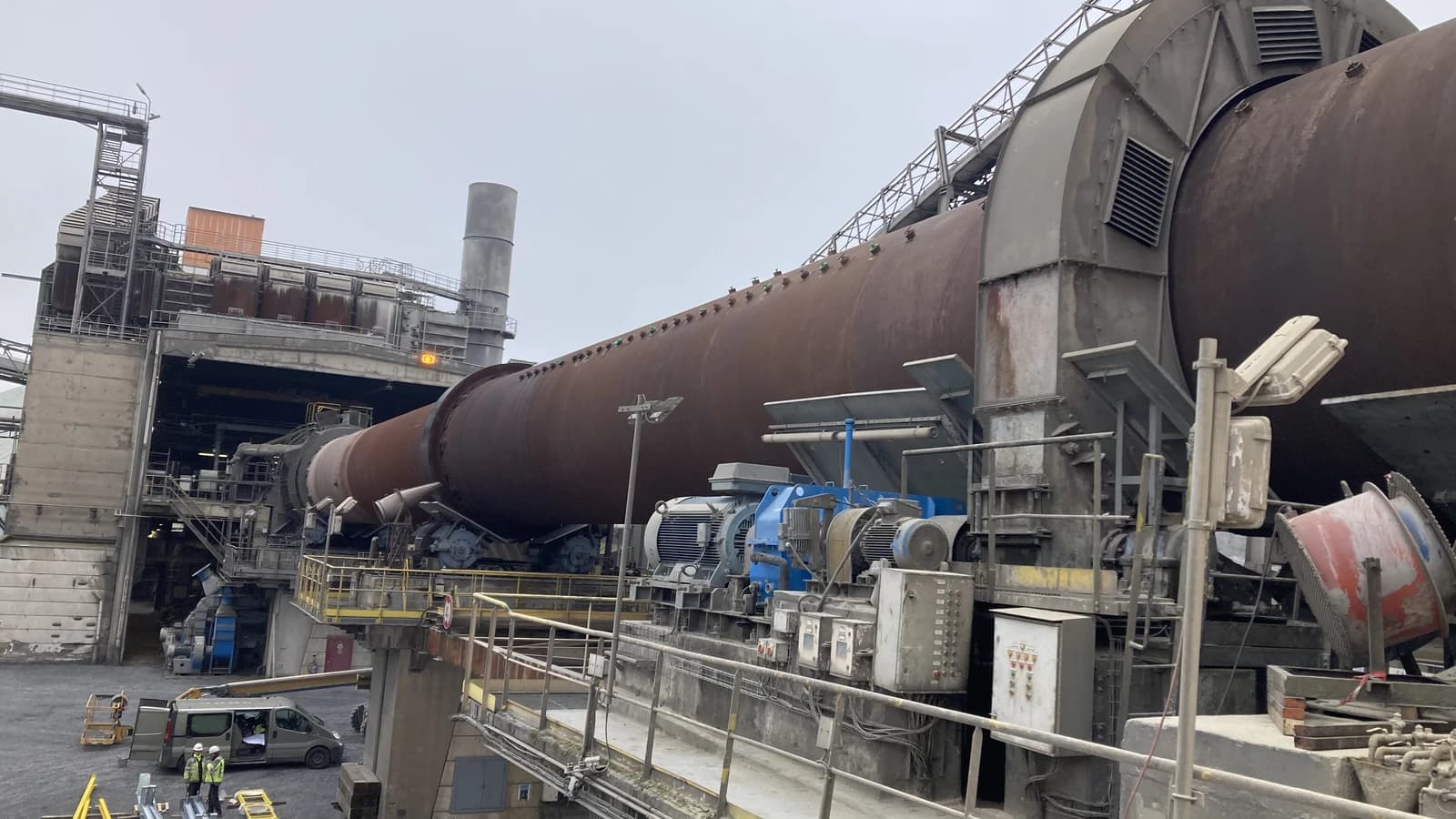
Iron and cement prices are pushing higher again, and that matters because construction inflation does not stay in the quarry or the steel mill — it works its way straight into housing, infrastructure and corporate margins.
For investors, the bigger story is that building materials are moving back into an inflationary phase just as U.S. industrial activity remains steady and construction demand stays firm. The price index for crude materials used in construction has climbed to 290.489 in May from 282.779 in April, with the latest forecast pointing to 295.8433 in July. That is not a one-month blip. It is part of a broader climb from 256.978 in April 2024, showing that input costs for builders have regained momentum after a period of relative cooling.
The economics are straightforward: when iron, cement and related materials get more expensive, developers face tighter project economics, homebuilders see more pressure on affordability and public works budgets stretch further. That can slow some projects, but it can also support pricing for producers with scale and bargaining power. The U.S. industrial production index, meanwhile, has edged up to 102.6395 in June from 102.4196 in April, suggesting the manufacturing backdrop is not collapsing under the weight of higher costs. Construction demand is still there, and that keeps pricing power alive for suppliers.
The message is showing up in the market. Nucor has said increased steel input costs compressed margins in its steel products segment even as volumes held up and average selling prices improved. That is exactly the kind of squeeze investors should watch in materials-heavy industries: revenue can rise while profitability gets pinched if raw costs move faster. By contrast, companies tied to infrastructure and aggregates have held up better. Martin Marietta’s stock has been much more stable than some steel names, while Vulcan Materials continues to trade near the middle of its recent range, reflecting a market that still values hard-asset exposure even after a pullback.
There is also a policy angle. Tighter regulation on imported building materials can reduce supply flexibility and add another layer of cost pressure, especially where domestic production cannot quickly fill the gap. At the same time, stronger demand in major urban markets, including Moscow, keeps the pricing backdrop firm. In other words, this is not just a supply story — it is a demand story too.
For long-term investors, rising iron and cement prices are a reminder to separate beneficiaries from victims. Producers of aggregates, cement, steel and construction equipment can do well if they can pass through costs. Builders, contractors and buyers of large projects may face margin pressure and delayed activity. Over a three-to-five-year horizon, though, steady infrastructure spending and replacement demand can still make this an attractive space for patient investors — especially when they own the strongest operators rather than trying to guess the next commodity spike. Worth watching, and for diversified portfolios, worth keeping on the radar.
| Entity | Gains | Losses |
|---|---|---|
| Cement and steel producers | ▲Better pricing power | ▼Input-cost volatility |
| Homebuilders and contractors | ▲Higher replacement value | ▼Margin compression |
| Infrastructure suppliers | ▲Steadier demand | ▼Cost overruns |
| Buyers of new homes and projects | ▲— | ▼Higher construction costs |