Iron Ore, Cement Prices Rise on Weak Demand
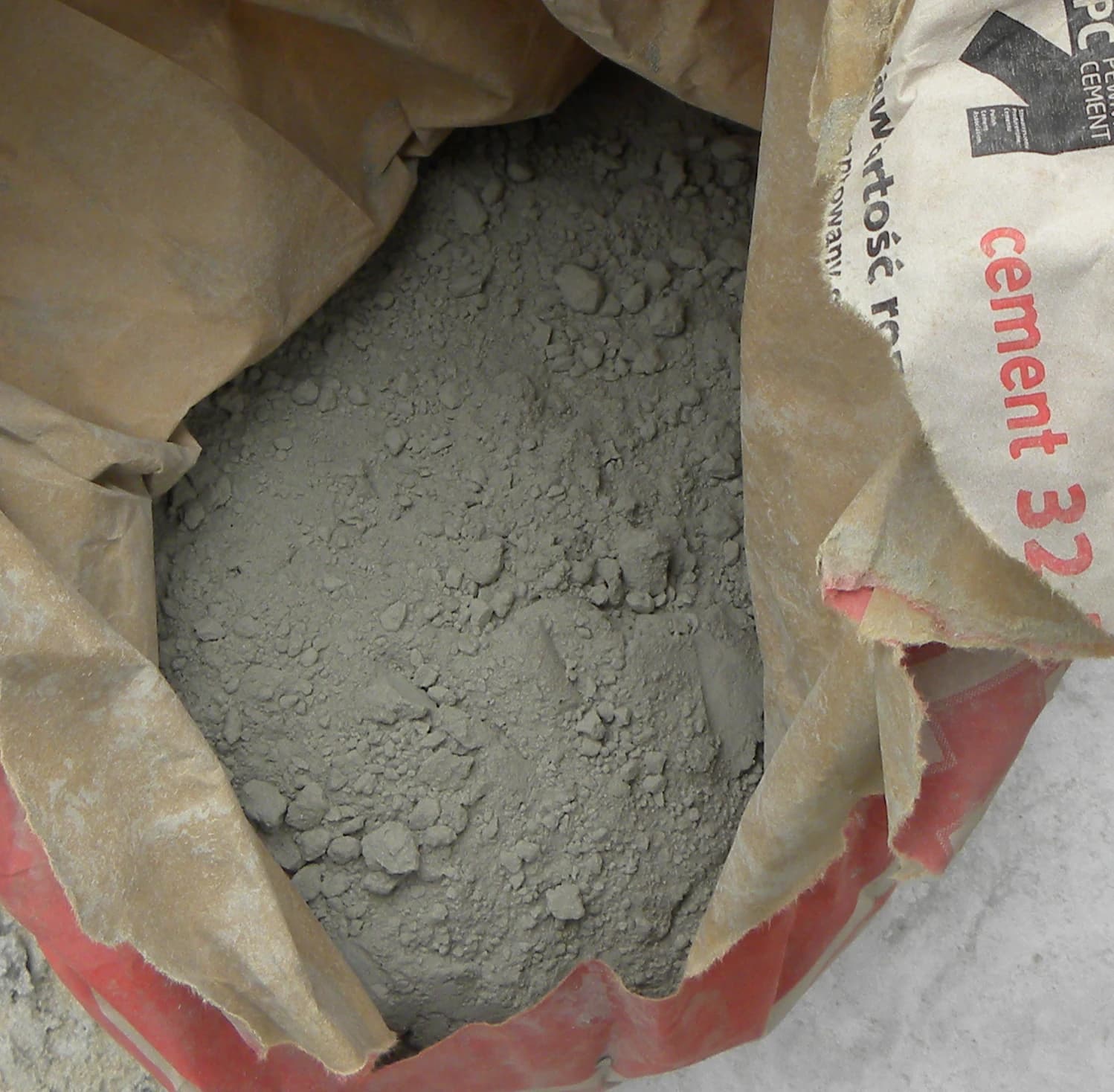
Iron ore and cement prices are climbing in a market that is being shaped less by a demand boom than by uneven supply and stubbornly fragile industrial activity.
That matters because the two materials sit at the base of construction and heavy industry. When prices move higher even as broader manufacturing conditions remain soft, the signal is not just about commodities — it is about margin pressure for builders, steelmakers and miners, and about whether the rebound in infrastructure and housing is strong enough to absorb rising production.
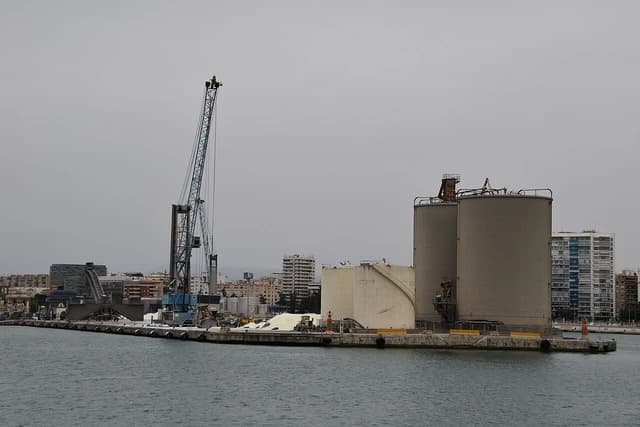
In the iron ore market, the direction of travel is increasingly dictated by supply. Production is expected to accelerate between 2026 and 2030 at an average annual rate of 2.2%, faster than the 1.2% pace of the previous five years, according to the data context. At the same time, demand recovery remains weak, which leaves the market vulnerable to a mismatch: more material coming online while end-use consumption stays uneven.
That imbalance helps explain why price action has been choppy rather than decisively bullish. The Producer Price Index for all commodities has moved to 284.057 in July from 286.279 in June, with a 2026 forecast of 289.769 for August, suggesting upstream price pressures are still present but not exploding. Industrial production, meanwhile, has risen only gradually to 102.9939 in July from 102.7868 in June, reinforcing the view that the real economy is expanding, but not fast enough to generate a strong commodities-led cycle.
For investors, that sets up a split-screen market. Miners such as Vale, BHP and Rio Tinto have seen share-price recoveries that reflect improved sentiment, but the technical picture now looks more extended and more vulnerable if prices soften. Vale recently traded around $15.12, above its 50-day and 200-day moving averages, while BHP was at $92.82 and Rio Tinto at $101.86, both near elevated levels after strong runs. Those gains have been supported by better iron ore pricing and expectations of Chinese policy support, but they also leave the stocks exposed if demand disappoints or inventories build.
The Chinese growth-target backdrop is part of that trade. Adalytica’s China Economic Growth Target Sentiment gauge shows “Extreme Greed,” underscoring how much the market is leaning on policy optimism. But the same context also shows the S&P 500 trade signal at neutral and PMI recession sentiment at “Extreme Fear,” a reminder that industrial demand outside China is not convincingly firm. In other words, the market is betting on stimulus and infrastructure spending even as global activity remains mixed.
Cement fits the same narrative from a different angle. Unlike iron ore, cement prices are more directly tied to local construction demand, infrastructure spending and transportation costs. A rise in cement prices can reflect tightness in regional supply or stronger project activity, but it also raises input costs across the construction chain at a time when higher rates and slower private investment still weigh on new building.
The bull case is that China and other large consumers keep leaning on infrastructure to stabilize growth, which would support both iron ore and cement demand. The bear case is that production growth outruns consumption, inventories rise and today’s price firmness gives way to margin compression for producers. NMDC’s reported 20.7% jump in August iron ore production fits that latter risk: supply is clearly coming, but demand has yet to prove it can absorb the volume without discounts.
For investors, the key question is not whether prices can spike on headlines, but whether end-demand can justify them. If construction activity and steel output fail to improve, miners may face lower realized prices just as volumes rise, while cement producers could see better nominal pricing but weaker downstream affordability. The next catalyst will be whether Chinese policy support turns into measurable industrial demand — or whether the market is once again pricing recovery faster than the economy can deliver it.
| Entity | Gains | Losses |
|---|---|---|
| Iron ore miners | ▲Higher realized prices | ▼Weaker demand recovery |
| Cement producers | ▲Better local pricing | ▼Cost-sensitive builders |
| Builders and contractors | ▲— | ▼Higher input costs |
| Vale, BHP, Rio Tinto | ▲Share-price support | ▼Downside if oversupply builds |