Iron ore rises on China stimulus and shipping disruptions
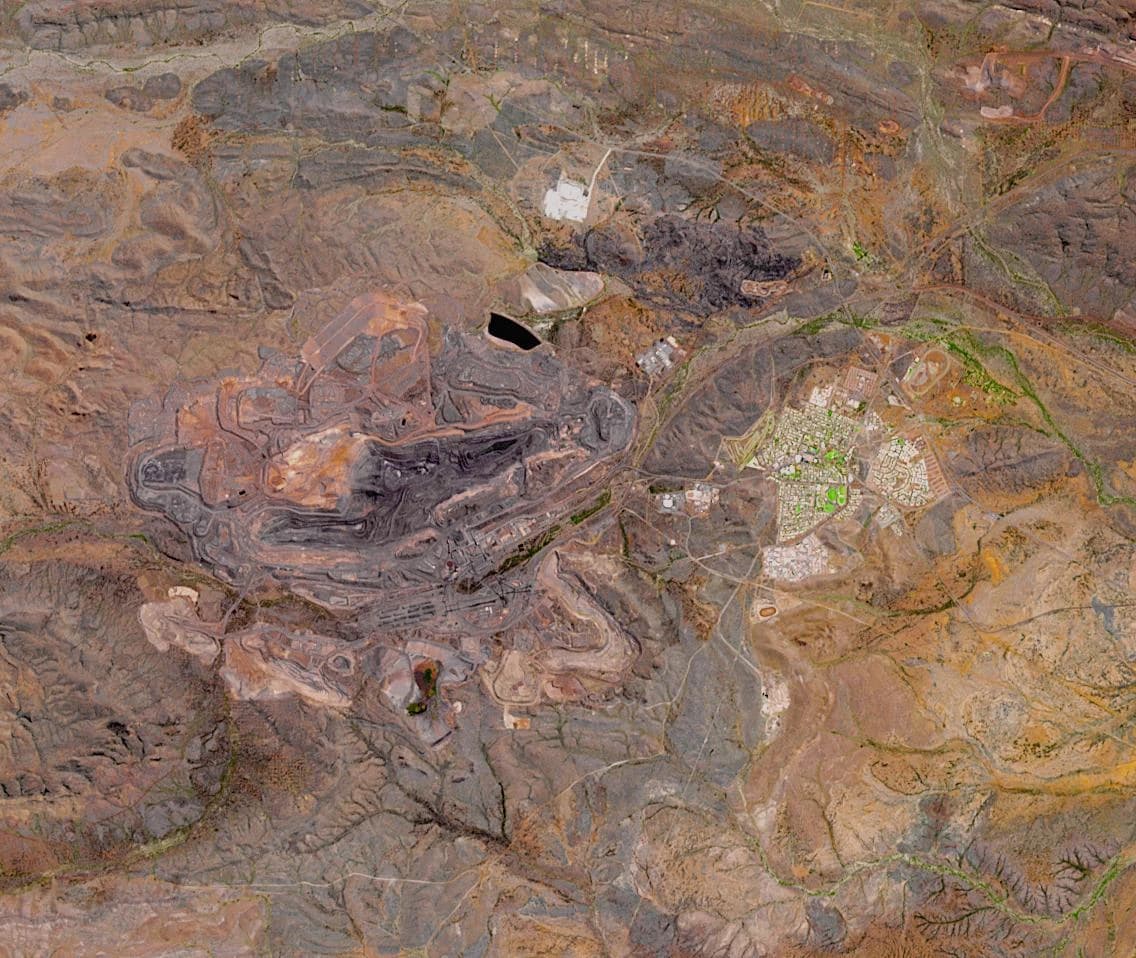
Iron ore prices were last seen at $83.85 a ton on Aug. 26, after a recent rebound driven by fresh signs of Chinese stimulus and weather-related shipping disruption that tightened supply.
The move matters because iron ore sits at the center of global steelmaking, so even modest price changes feed quickly into industrial costs, miner revenues and the terms of trade for commodity exporters such as Australia and Brazil. A price around $83.85 a ton leaves the market well below the 2022 peaks, but it is enough to improve cash generation for producers while keeping steel mills and importers sensitive to any further upside.
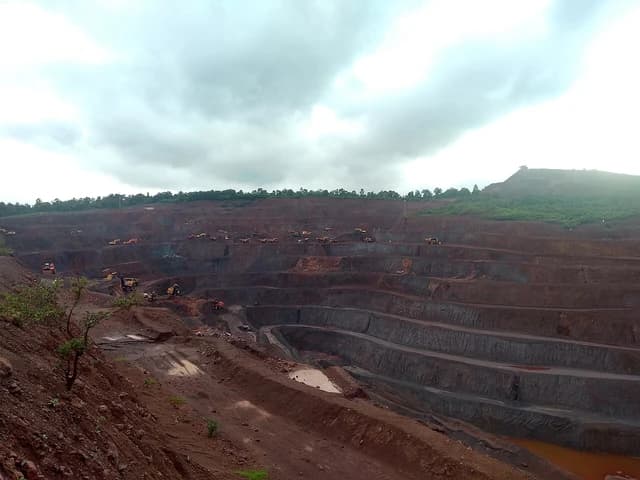
The latest leg higher reflects a market that is still trying to balance two opposing forces: softer underlying demand in heavy industry and policy efforts in Beijing to stabilize growth. The data show China’s industrial production index edging up only gradually in recent months, a sign that steel demand is not yet running hot enough to justify a sustained rally on fundamentals alone. That makes the price action more dependent on stimulus expectations and near-term logistics than on a broad-based demand recovery.
Supply interruptions have added to the bid. Typhoon Narra has disrupted maritime shipping, lifting transport costs and encouraging some traders to cover positions. Reuters-style market color also points to cautious optimism on the Dalian Commodity Exchange, where the most-traded iron ore contract closed higher as participants weighed the impact of tighter delivery conditions against the still-muted macro backdrop.
For investors, the key question is whether the bounce can hold. Miners such as Rio Tinto, BHP and Vale have already benefited from a stronger spot tape, with their shares and technical indicators showing a recovery from earlier weakness. Rio Tinto’s price remains above its 50-day and 200-day moving averages, while BHP and Vale have also firmed, suggesting the market has been willing to pay up for any improvement in Chinese demand sentiment. But the move is not yet strong enough to signal a structural turn: if stimulus disappoints or shipping conditions normalize, iron ore could quickly give back gains.
Steelmakers and end users face the opposite equation. Higher ore prices can squeeze margins if finished steel prices do not keep pace, which helps explain why domestic mills remain cautious despite some recent improvement in steel market conditions. Nucor’s filings show higher sales prices and volumes, but also rising input costs, a reminder that any sustained iron ore rally would eventually work its way through the steel chain and into manufacturing costs more broadly.
The broader setup leaves iron ore caught between policy support and cyclical restraint. Chinese stimulus can lift sentiment and provide a floor, but without a more convincing pickup in construction and heavy industry, upside is likely to stay capped. For now, the market is pricing a short-term supply shock and a better policy tone, not a full-blown demand revival.
| Entity | Gains | Losses |
|---|---|---|
| Iron ore miners | ▲Higher realized prices | ▼Lower if rally fades |
| Steelmakers | ▲None | ▼Higher raw-material costs |
| China stimulus hopes | ▲Better sentiment | ▼Disappointment risk |
| Shipping-disrupted sellers | ▲None | ▼Higher freight and delays |