Israel Gaza Displacement Plan Raises Geopolitical Risk

Israeli strikes killed at least three Palestinians in Gaza on Thursday as far-right National Security Minister Itamar Ben-Gvir unveiled a plan to encourage the departure of roughly 2 million Palestinians from the enclave over seven years, hardening fears that the war is shifting from battlefield operations to an agenda of permanent displacement.
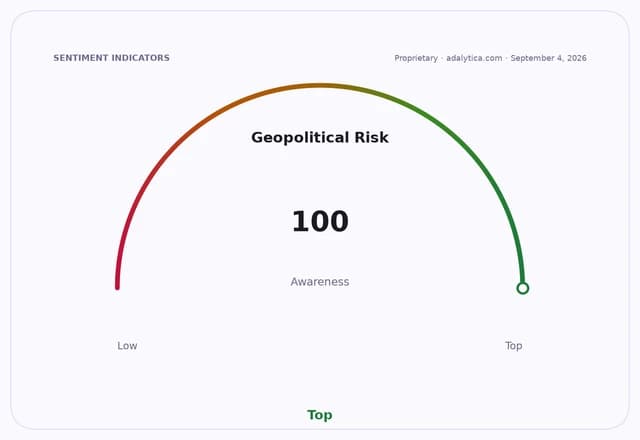
The plan matters because it pushes beyond ceasefire management and into territory that would deepen Israel’s already severe diplomatic isolation, raise legal exposure under the Geneva Conventions and further complicate US-led efforts to stabilize Gaza. For investors, the risk is not a market-specific shock but a broader rise in geopolitical friction that can keep regional risk premiums elevated across energy, defense, shipping and Israel-linked assets.
Ben-Gvir said his office wants to create a dedicated ministry and secure agreements with countries willing to take in Gazans, with targets of 250,000 departures in the first year, 1.1 million within three years and 1.9 million within seven years. Israel’s Defence Minister Israel Katz also said this week that Israel is still working to remove Palestinians from Gaza, underscoring how the idea is moving from rhetoric into official policy discussion.
The military pressure continues despite the US-brokered ceasefire that took effect in October. Medical sources and Palestinian media said an Israeli drone strike hit the Rimal area of Gaza City and another attack in Beit Lahia killed two people, including a 13-year-old child, while the Israeli military said it eliminated two people it described as “terrorists” who crossed the Yellow Line buffer zone.

The death toll adds to a war that Gaza health authorities say has killed at least 73,470 people since October 2023, with more than 1,330 deaths since the ceasefire began. Even with major fighting reduced, continued strikes and talk of mass removal keep the conflict politically explosive and make a durable settlement harder to price in.
For markets, the immediate read-through is to elevated headline risk rather than direct earnings impact. Any sign that the Gaza ceasefire is fraying, or that Israel is preparing more aggressive demographic or territorial moves, can widen the gap between diplomatic statements and battlefield reality, keeping investors cautious on Middle East exposure as attention shifts to whether Washington and regional partners push back.
| Entity | Gains | Losses |
|---|---|---|
| Israeli hard-liners | ▲Control of Gaza policy debate | ▼Diplomatic backlash |
| Gaza civilians | ▲None | ▼Deaths and displacement risk |
| US-led ceasefire effort | ▲Continued relevance if preserved | ▼Credibility under strain |
| Regional risk assets | ▲Defense demand and safe-haven flows | ▼Higher geopolitical premiums |