Italian rice farmers push Rome for import protection
Italian rice farmers are pushing Rome to protect one of the country’s most exportable food brands just as global grain markets stay volatile and competition from low-cost imports threatens pricing power.
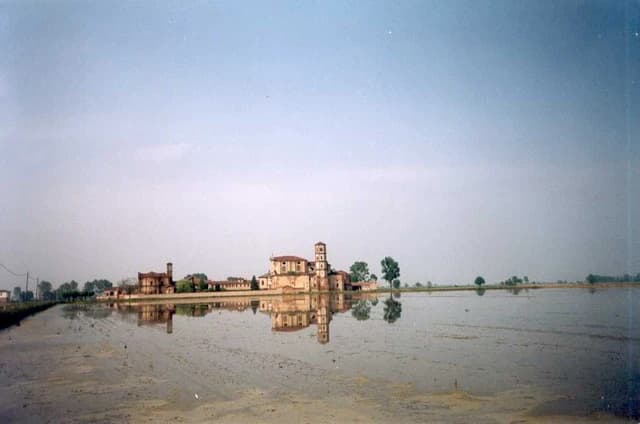
At the International Rice Festival in Vercelli, Prime Minister Giorgia Meloni cast the rice sector as a flagship of Made in Italy, insisting it competes on quality and modernity rather than volume. That matters because Italian rice is not a commodity business in the purest sense: it is a margin business built on origin, reputation and traceability. When unfair competition compresses prices, it does not just hurt farmers in Piedmont and Lombardy — it erodes the premium that allows Italy’s agri-food chain to defend profitability against bigger, cheaper producers abroad.
The economic stakes are broader than a regional farming dispute. Rice is a staple input for consumers and food manufacturers, so pressure on the sector feeds into food inflation, rural incomes and trade balances. If Italian producers lose ground to imports that do not meet the same quality or environmental standards, the country risks substituting away from a higher-value domestic supply chain toward lower-priced foreign supply. That would be a hit to farm income, local processing activity and the wider agri-food ecosystem that depends on premium branding.
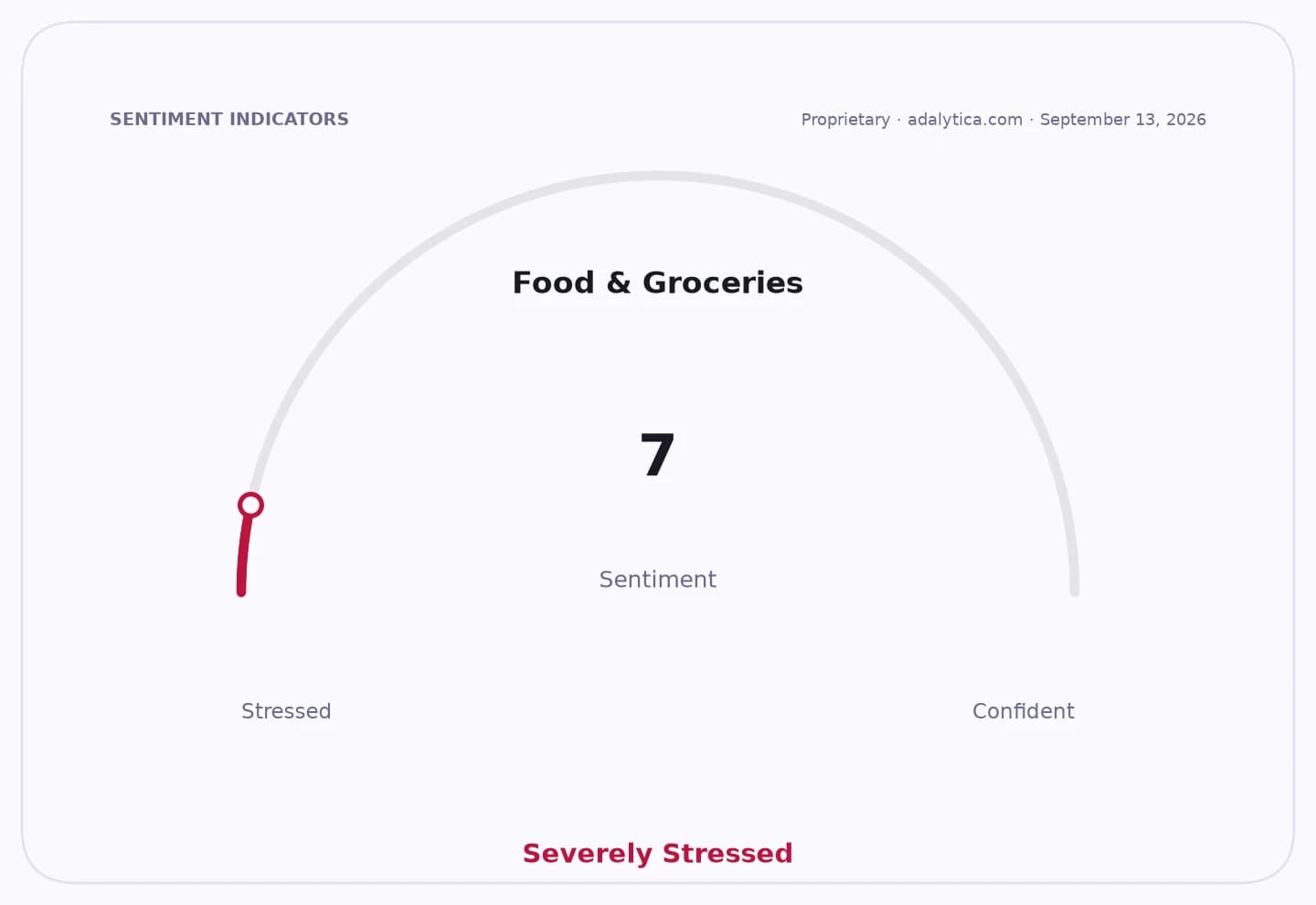
For investors, the story is about where pricing power survives in food. Commodities typically reward scale, but branded, protected origin can be a better long-term moat. The current backdrop makes that more important: food-and-grocery sentiment tracked by Adalytica sits in “Extreme Fear,” pointing to fragile consumer demand and little room for producers to absorb margin pressure. In that kind of environment, companies and cooperatives tied to premium labeling, export defensibility and supply-chain control are better positioned than undifferentiated bulk suppliers.
The rice fight also fits a larger European pattern. Governments are increasingly treating agricultural quality as industrial policy, not nostalgia. That means more scrutiny of import competition, more pressure for country-of-origin enforcement and potentially more support for sectors that can prove strategic value. If Rome moves from rhetoric to protection, the beneficiaries will be domestic growers, millers and processors with strong branding and certification. The losers will be low-cost exporters that compete primarily on price.
For investors, the takeaway is straightforward: follow the money into agricultural niches with defensible origin and traceability, and avoid assuming all grain exposure is interchangeable. In a world of volatile food markets and politically sensitive farm incomes, premium rice is exactly the kind of category where policy, pricing power and brand equity can create an asymmetric setup.
| Entity | Gains | Losses |
|---|---|---|
| Italian rice producers | ▲Higher protection | ▼Import pressure |
| Meloni government | ▲Rural support | ▼Policy scrutiny |
| Premium rice brands | ▲Pricing power | ▼Commodity rivals |
| Low-cost foreign exporters | ▲Access at risk | ▼Market share |