Italy Deepens Economic Ties With Argentina
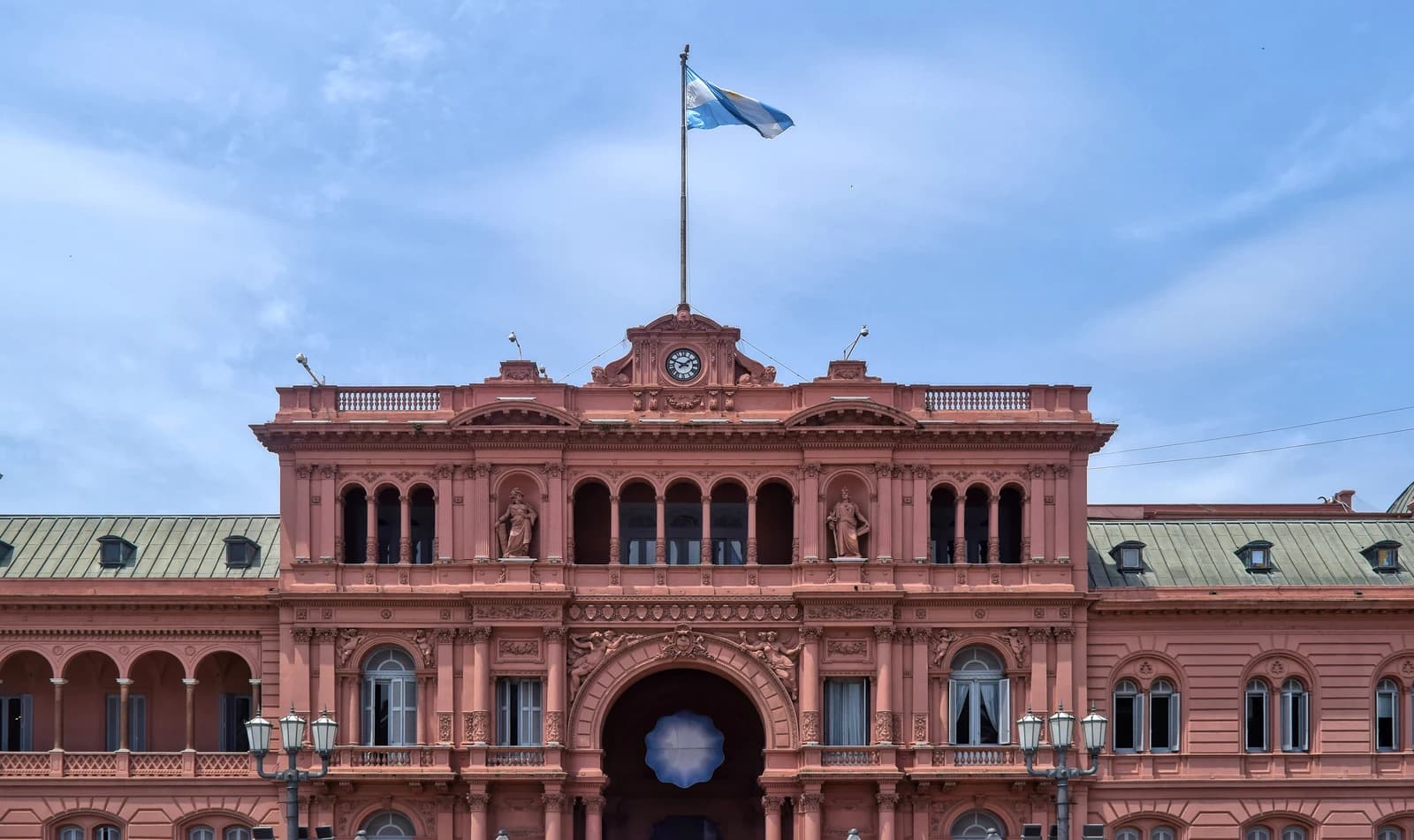
Italy is deepening its economic bet on Argentina, with Deputy Prime Minister and Foreign Minister Antonio Tajani meeting Javier Milei for more than an hour and signing new accords that tie Rome more tightly to Argentine raw materials, corporate expansion and energy supply.
The visit matters because it folds diplomacy, industrial policy and investor positioning into one deal: Italy is looking for growth abroad as its own energy costs stay elevated, while Milei is trying to turn Argentina’s pro-market reset into foreign investment, export demand and financing. For markets, the message is that a major European economy is not just engaging Buenos Aires politically, but treating it as a strategic commercial partner at a moment when Argentina still needs outside capital and credibility.
Tajani said friendship with Argentina was “a priority” and described the country as a “bridge” for Italian companies into Latin America, while also urging the European Union to advance its Mercosur deal, which he called the most important since the EU was founded. That is not just rhetoric. The accords on raw materials and on helping firms internationalize point to sectors where Argentina has leverage: mining inputs, hydrocarbons and industrial supply chains.
Energy was the clearest economic thread. Emanuele Orsini, head of Confindustria, said the mission was partly about reducing Italy’s high power costs and explicitly cited Vaca Muerta, Argentina’s shale formation, as a potential source of supply. That reinforces a broader trade-off investors have been watching: Argentina wants foreign capital to unlock exportable energy, while European buyers want diversification away from expensive domestic supply.
The scale of the opportunity is still small relative to Argentina’s needs, but the direction is important. Orsini said the Argentine market is worth about 1.2 billion euros to Italian companies now and could reach 7 billion euros within a few years. If that materializes, it would imply a meaningful rise in trade, equipment sales and services tied to energy, infrastructure and manufacturing.
For Argentina, the upside is obvious. Deeper ties with Italy and the EU can help Milei show that fiscal austerity and deregulation are drawing in strategic investors rather than just financial speculators. That is especially relevant as his government tries to stabilize the economy and keep capital flowing into sectors that can earn hard currency.
For investors, the development supports the bull case on Argentine assets: policy alignment with Europe, stronger export prospects and possible investment into energy and industrial names. YPF, the state-controlled oil producer central to Vaca Muerta, stands to benefit if cross-border capital and equipment flows accelerate. Banco Macro and Grupo Financiero Galicia also remain levered to a more stable domestic macro backdrop and a stronger investment cycle.
The bear case is that diplomacy does not eliminate Argentina’s structural risks. Foreign exchange controls, political volatility and the country’s history of policy reversals still weigh on project financing and long-dated investment decisions. The current enthusiasm can help sentiment, but investors will want to see whether the new accords translate into actual contracts, capital expenditure and sustained trade volumes.
For now, the visit underscores a simple narrative: Italy sees Argentina not as a peripheral market, but as a strategic source of energy, raw materials and growth. Whether that view becomes durable capital allocation will depend on Milei’s ability to keep the reform agenda intact and convert political goodwill into bankable projects.
| Entity | Gains | Losses |
|---|---|---|
| Italy’s industrial exporters | ▲New market access | ▼Higher domestic demand pressure |
| Argentina’s energy sector | ▲Investment interest | ▼Need to deliver supply fast |
| Milei government | ▲Reform credibility | ▼Exposure if deals stall |
| Domestic FX skeptics | ▲— | ▼Policy reform momentum |