Italy Budget 2027 Bank Tax Debate
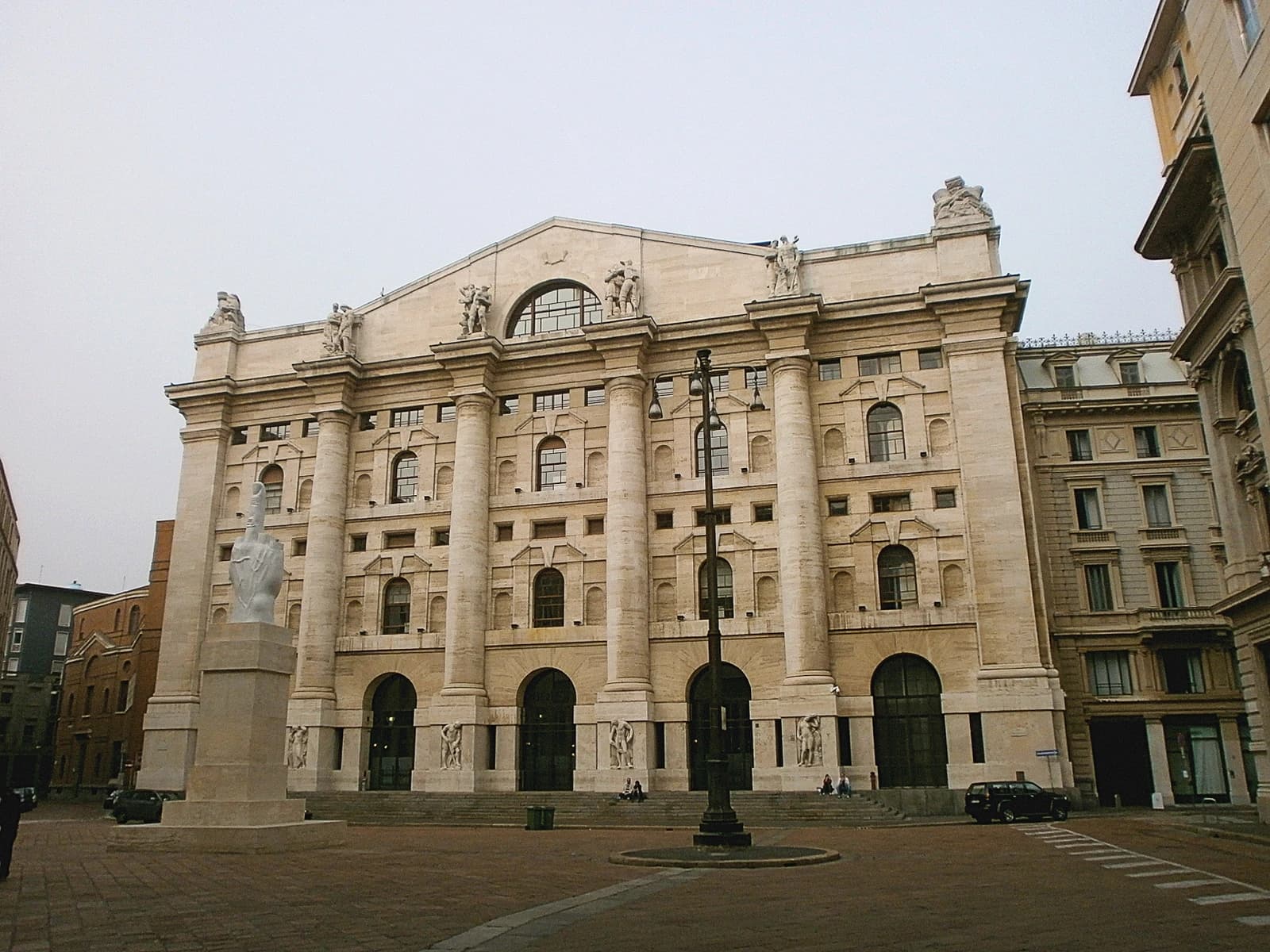
Italy’s government is starting work on the 2027 budget with a familiar trade-off: cut personal income taxes and raise wages without blowing a hole in public finances, while Deputy Premier Matteo Salvini is again pressing for a special levy on banks to help pay for it.
The choice matters because Italy is trying to support households and wages at a time when inflation has eased but growth remains fragile, and healthcare costs keep rising. Any tax relief for workers would boost disposable income and consumption, but it would also force Rome to find offsetting revenue or accept a wider deficit in a country already under scrutiny over debt.

Salvini’s renewed call for a bank tax puts lenders back at the center of Italy’s fiscal debate just as their earnings and valuations have benefited from higher interest rates. Banks have been among the strongest performers in European financials, and investors will watch closely for any attempt to use the sector as a funding source for budget promises.
The tension also lands against a softer rates backdrop. US 10-year Treasury yields were around 4.65% and the Federal Reserve funds rate is expected near 3.63%, underscoring that the global tightening cycle has peaked and that policy makers are moving into a slower-growth phase. In that environment, governments face more pressure to support demand without unsettling bond markets.
Italian bank stocks and broader European financials have been tracking the sector’s strong run, with the EUFN European financials ETF up sharply and the XLF US financials ETF also near its highs, showing how sensitive investors are to any change in policy that could hit bank profitability or capital returns. For Italy, that means the budget process could quickly become a market story if tax measures move from rhetoric to drafting.
The key question now is whether Rome can balance income-tax relief, wage support and healthcare spending with measures that investors can tolerate, or whether the final package revives the same fight over who pays for Italy’s fiscal priorities.
| Entity | Gains | Losses |
|---|---|---|
| Italian households | ▲Lower income taxes | ▼Fiscal uncertainty |
| Workers/wage earners | ▲Higher take-home pay | ▼Delayed relief |
| Italian banks | ▲Status quo if tax fails | ▼Special levy, lower profits |
| Italian government | ▲Political room to bargain | ▼Budget flexibility |