Italy’s housing market diverges by region
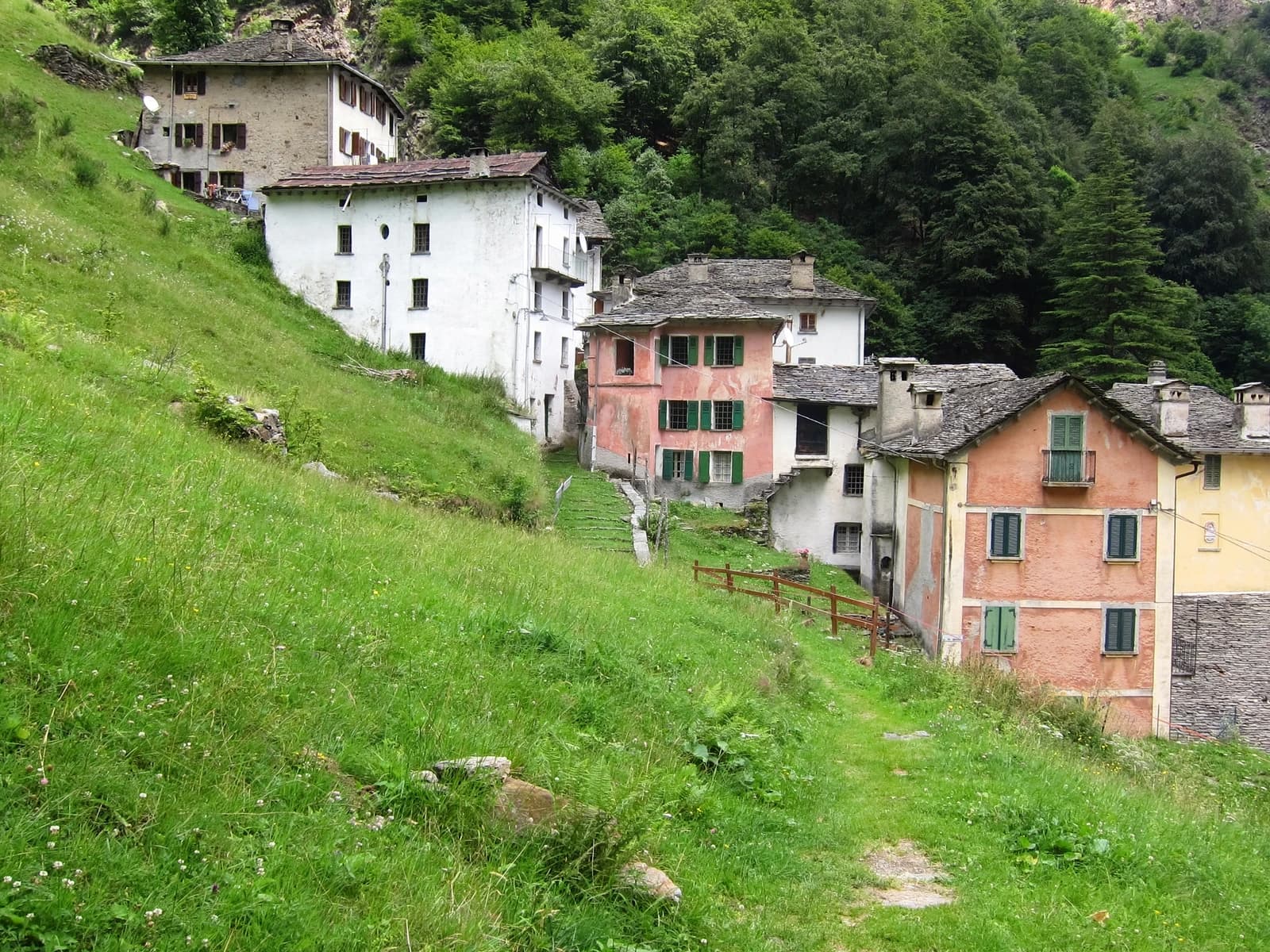
Piedmont’s €331-a-square-metre homes are a sharp reminder that Italy’s housing market is not moving in one direction, even as Rome tries to steady it with a new housing plan.
The gap between Italy’s cheapest and priciest real estate is more than a curiosity for bargain hunters. It reflects a broader economic split between regions with weak demand, ageing populations and thinner employment prospects, and those where supply constraints, tourism and stronger local economies keep prices elevated. For investors, that divide matters because it shapes where housing risk, affordability pressure and eventual policy support are likely to concentrate.
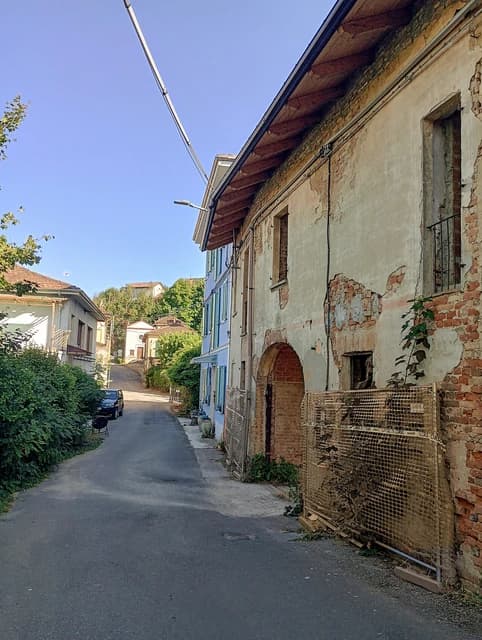
The Senate’s July 4 approval of a comprehensive Housing Plan adds another layer to that picture. The government is trying to stabilise a market that has become increasingly uneven, with some municipalities seeing steep declines while others remain stubbornly expensive. That is especially relevant in a country where housing is both a household balance-sheet issue and a political one: affordability has implications for consumer spending, labour mobility and the ability of younger households to form new ones.
Piedmont’s ultra-low asking prices underscore how far some inland and peripheral areas have fallen out of step with the national housing narrative. At €331 per square metre, the market is effectively pricing in low liquidity and limited near-term growth, suggesting sellers are competing for a shallow pool of buyers. In contrast, the more expensive markets continue to be supported by scarcity and stronger demand, leaving policymakers to confront a two-speed housing system rather than a single national cycle.
That split also matters economically because weak regions can become self-reinforcing. When prices are low enough, they may attract retirees, remote workers or opportunistic buyers, but only if transport links, services and employment prospects are credible. Without those supports, cheap housing can be less a sign of opportunity than of structural fragility. The new Housing Plan may help at the margins, but it will not by itself fix the demographic and productivity gaps that keep parts of northern and inland Italy discounted.
For investors, the implication is that value in Italian residential property will remain highly localised. The cheapest markets may offer upside if government measures improve infrastructure or unlock demand, but they also carry the greatest risk of remaining trapped by weak fundamentals. The stronger markets still face affordability pressure and policy scrutiny. The result is likely to be more dispersion, not less, with regional selection becoming more important than a simple bet on “Italy housing” as a whole.
What to watch next is whether the Housing Plan translates into faster permitting, more supply in constrained areas and targeted support for weaker municipalities. If it does, low-priced markets such as parts of Piedmont could begin to narrow the gap. If not, Italy’s housing map will remain defined by stark regional contrasts, with cheap homes signalling distress as much as opportunity.
| Entity | Gains | Losses |
|---|---|---|
| Bargain buyers in Piedmont | ▲Lowest entry prices | ▼Limited liquidity |
| Weak inland municipalities | ▲Potential policy support | ▼Continued outmigration |
| Prime Italian housing markets | ▲Relative price strength | ▼Affordability pressure |
| Investors seeking national exposure | ▲Better regional selection | ▼Uniform Italy housing thesis |