Japan Airlines profit fell 80% on fuel costs
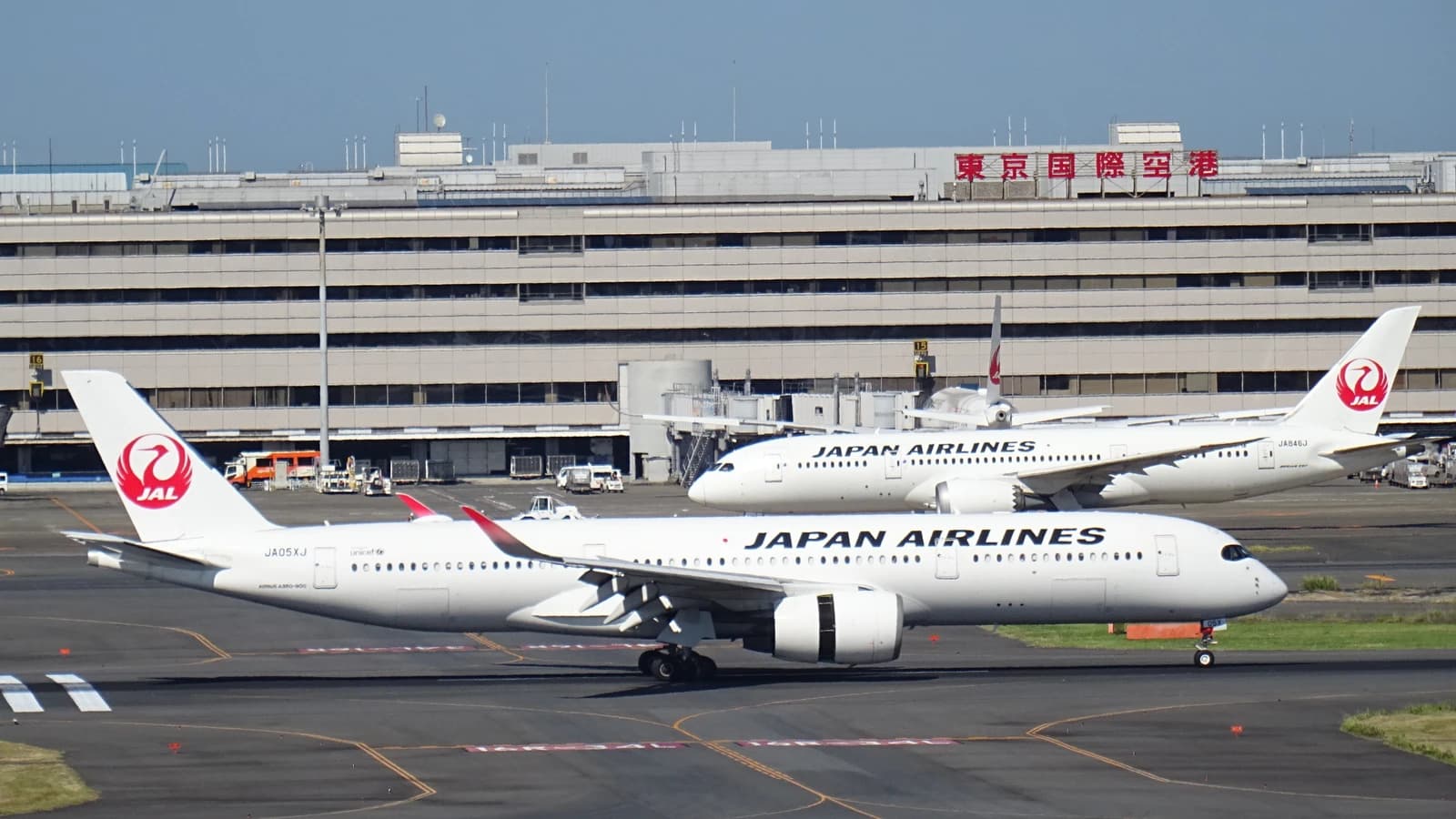
Japan Airlines’ net profit fell 80% in the April-to-June quarter as higher aviation fuel costs squeezed margins, a reminder that even carrier networks with strong demand can see earnings evaporate when energy prices move against them.
The drop matters because fuel is the single biggest variable cost for most airlines, and JAL has little room to absorb that shock without leaning on fares, capacity discipline or hedging. For investors, that makes airline earnings highly sensitive to oil and currency swings, especially in a year when the macro backdrop is still defined by volatile crude and a firm U.S. dollar.
U.S. crude is still trading near the high-80s a barrel in the latest available data, after climbing above $109 in early May before easing back. That is still a painful input cost for carriers running fuel-intensive international networks. The 10-year Treasury yield around 4.6% also keeps financing costs elevated, limiting how much airlines can offset margin pressure with cheap capital or aggressive fleet expansion.
The pressure is not isolated to JAL. U.S. peers have already warned that fuel costs rose sharply in the second quarter, with several carriers reporting year-on-year jumps in fuel expense of roughly two-thirds to three-quarters. That suggests the pain is industrywide, not a one-off execution issue, and it strengthens the case for investors to focus on airlines with the best fuel efficiency, pricing power and balance sheets.
The market implication is straightforward: airlines remain a leveraged play on oil, but the upside is uneven. If fuel stays elevated, profits will be redistributed toward carriers with stronger domestic pricing and away from operators exposed to long-haul and international routes. If fuel eases, the rebound can be sharp, which is why the sector still offers tactical opportunity — but only for investors willing to own the lowest-cost operators and avoid the most fuel-sensitive names.
Our thesis is that this is not just a Japan Airlines story. It is a preview of how the airline industry behaves when energy costs stop cooperating. The best positioning is in the picks-and-shovels beneficiaries of aviation demand — aircraft lessors, maintenance providers and infrastructure-linked names — while airlines themselves remain a trading vehicle, not a core compounder, unless fuel and currency headwinds meaningfully reverse.
| Entity | Gains | Losses |
|---|---|---|
| JAL | ▲fare power if demand holds | ▼net profit, margins |
| Airlines with fuel hedges | ▲earnings stability | ▼upside if fuel falls |
| Fuel-efficient carriers | ▲relative margin advantage | ▼less from lower oil than peers |
| Oil producers | ▲stronger jet-fuel economics | ▼airlines’ profitability |