Japan's chip push hits talent bottleneck

Japan’s semiconductor ambitions are running into a harder constraint than capital: people.
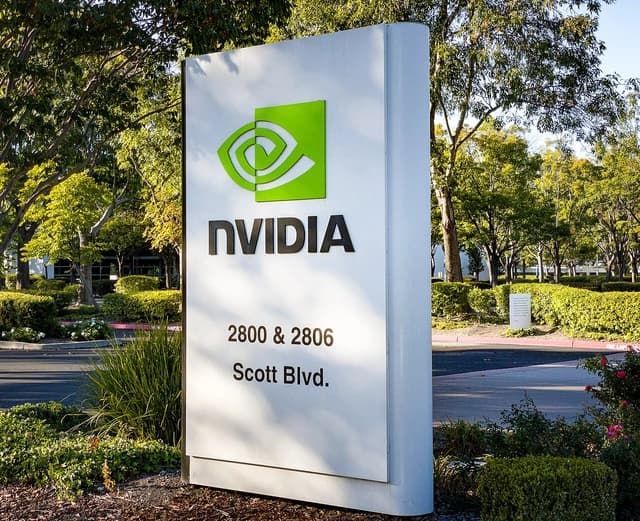
A collaboration between Nagasaki University of Science and Technology and Nvidia is the latest sign that Kyushu and Okinawa are treating AI and chip engineering as an industrial emergency, not a branding exercise. The region’s urgency matters because Japan’s push to rebuild its semiconductor base will fail if local universities cannot produce the engineers needed to run advanced fabs, design AI systems and support the supply chain around them.
The timing is telling. The global chip cycle is being reshaped by AI demand, and the bottleneck is no longer just wafers and machines. SK Hynix’s warning that 2027 could be the worst year in memory supply history, alongside multibillion-dollar expansion plans at Intel, Micron and others, points to a long phase of capacity build-out. But the industry’s real constraint may be skilled labor — from process engineers and data scientists to equipment specialists — and Japan is trying to secure that labor before rivals do.
That is especially important for Kyushu, which already sits near the center of Japan’s semiconductor revival. The region is trying to benefit from foundry investment and associated supplier spending, but those gains depend on whether universities, local governments and companies can train enough workers to keep plants operating at scale. Nvidia’s involvement gives the effort added credibility because its hardware and software ecosystem is increasingly central to AI infrastructure and chip development.
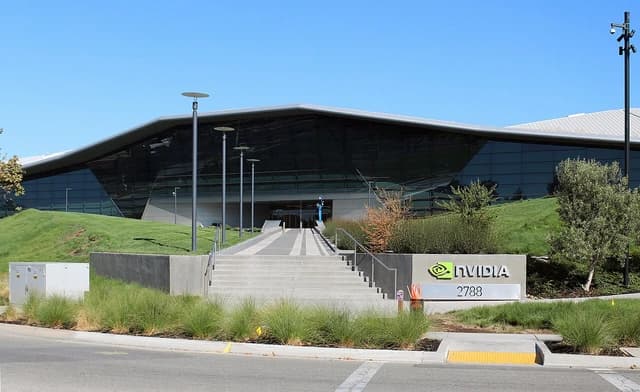
For investors, the story is broader than a university partnership. It reinforces the case for companies that sell the tools, software and services needed to build and automate fabs, especially in Asia. It also highlights why chipmakers with strong training pipelines and local partnerships may be better positioned than those relying on a tight external labor market. Applied Materials, Taiwan Semiconductor Manufacturing and Nvidia all stand to benefit if the build-out continues, but they also face execution risk if labor shortages slow installations or delay ramp-ups.
The market backdrop suggests the sector is still wrestling with that tension. Nvidia shares have remained volatile even after a powerful run, while technical indicators show recent momentum has cooled from earlier highs. TSMC and Applied Materials have also pulled back from peaks, reflecting investor concern that the next phase of the AI capex boom will be shaped less by demand and more by how quickly the industry can deliver the workforce to support it.
The bigger narrative is that semiconductor policy is becoming talent policy. Japan can subsidize fabs, court foreign partners and fund research, but the durability of that strategy will depend on whether regions such as Kyushu can turn AI enthusiasm into a steady pipeline of engineers. If they succeed, the country strengthens its position in the global chip supply chain. If they do not, the shortage of skilled workers could become the next constraint on one of Asia’s most important industrial ambitions.
| Entity | Gains | Losses |
|---|---|---|
| Nagasaki University of Science and Technology | ▲industry relevance | ▼talent pipeline pressure |
| Nvidia | ▲ecosystem expansion | ▼near-term execution risk |
| Kyushu/Okinawa chip region | ▲investment appeal | ▼labor shortages |
| Semiconductor rivals without training links | ▲— | ▼competitive disadvantage |