Japan political stability supports Japanese stocks

Japan’s political center is holding up far better than many outsiders might expect, and that matters because stability in the world’s third-largest economy helps keep the investment case for Japanese stocks intact. While right-wing populists have gained ground across Europe and the United States, the latest political signals from Japan suggest the country is not yet on the same path.
That is an important distinction for long-term investors. Populist breakthroughs can quickly change a country’s approach to trade, immigration, foreign policy and fiscal spending. In Japan, however, the current picture still points to a political system that is absorbing frustration without handing power to the far right. For global investors, that reduces the odds of a sharp policy break that could unsettle markets, pressure foreign relations or complicate Japan’s already delicate economic balancing act.
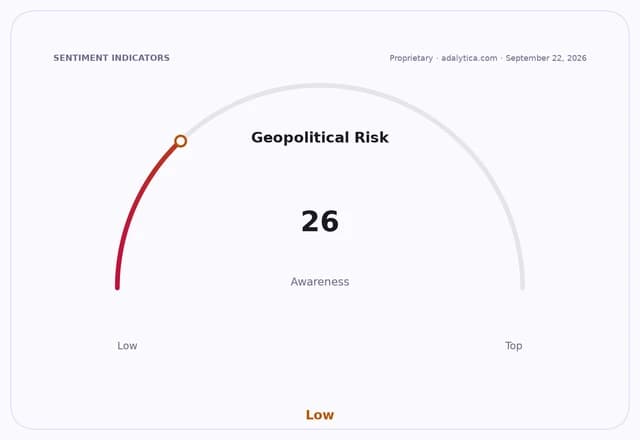
The broader story is not that Japan is immune to the grievances that fuel populism. It is that the country has so far contained them better than many peers. The arguments that have powered nationalist movements elsewhere — frustration with inequality, nostalgia for lost status, anger at elites and resentment over globalization — are not absent in Japan. The country has lived through its own “lost decades,” with slow growth and stagnant wages leaving plenty of room for political dissatisfaction.
Still, elections matter because they reveal whether that discontent is becoming organized enough to reshape policy. So far, Japan’s mainstream parties have been more successful at channeling voter anxiety than their counterparts in some Western countries. That should be encouraging for investors who favor predictability. Japan’s equity market, represented by the iShares MSCI Japan ETF, has held near recent highs, with the fund trading around $97.96 on Sept. 21, well above its 200-day moving average near $89.33. That’s a sign that, despite global political noise, investors continue to see Japan as a relatively steady market.
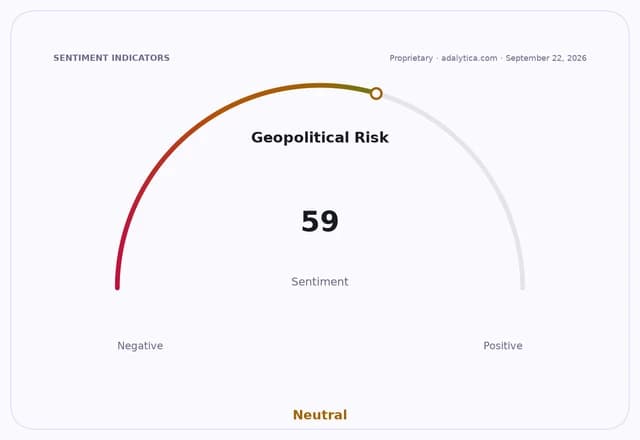
The currency backdrop also fits that calmer narrative. The yen fund, which tracks the Japanese currency, has strengthened off earlier lows, while the yen itself has been trading in a relatively stable range. For long-term investors, that kind of policy continuity matters because it supports the kind of environment companies need to invest, export and compound earnings over time.
None of this means the risk has disappeared. Populism often builds slowly before it becomes a force in the ballot box, and Japan is not insulated from the same economic pressures that have fueled political backlash elsewhere. If wage growth lags, if households continue to feel squeezed, or if the government mishandles immigration and regional tensions, the political center could face a tougher test.
But for now, Japan looks less like a country on the verge of a far-right surge and more like one that is still containing it. That is good news for investors who want exposure to Japanese equities, exporters and globally competitive companies without the added risk of an abrupt political rewrite. The long-term takeaway is simple: Japan remains a market worth watching, and for patient investors, its political stability is still one of its underappreciated advantages.
| Entity | Gains | Losses |
|---|---|---|
| Mainstream Japanese parties | ▲Stability and voter trust | ▼Pressure from protest votes |
| Japanese equities / EWJ | ▲Policy continuity and lower shock risk | ▼Volatility from political surprises |
| Long-term investors | ▲Predictable investment backdrop | ▼A radical policy shift |
| Far-right populists | ▲Visibility from economic frustration | ▼Electoral breakthrough |