Japan Rice Inventories Hit Record Levels
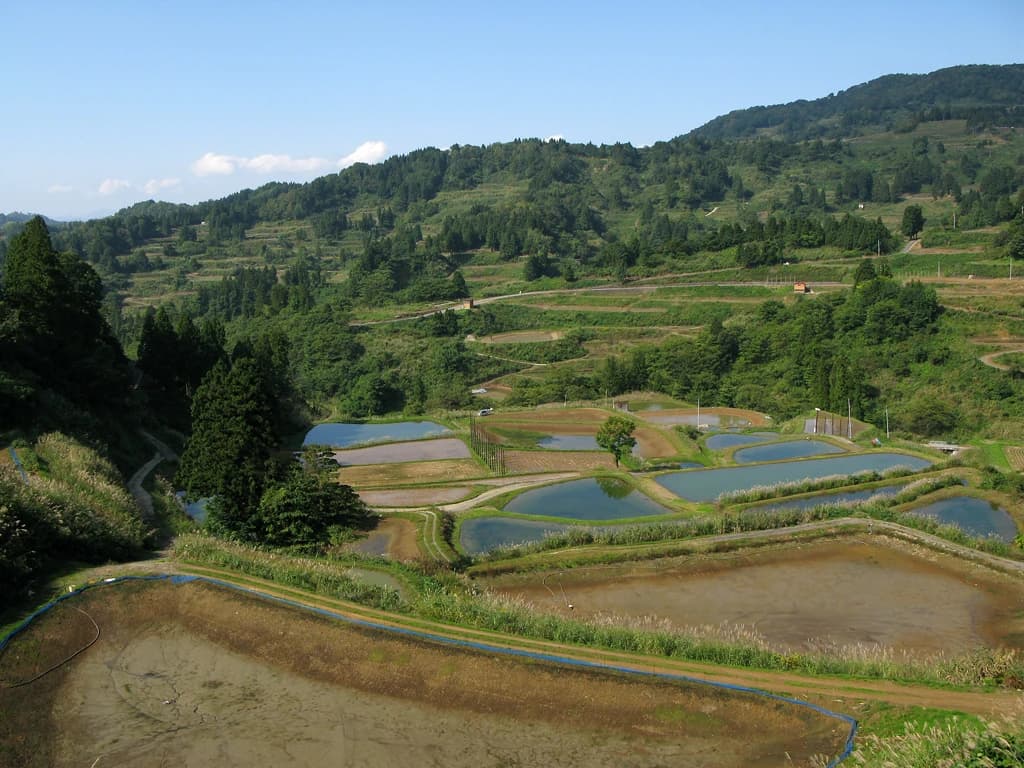
Rice growers in Japan are heading into the new harvest with inventories at record levels, a supply overhang that is likely to drag prices lower and cut the advance payments farmers receive for this year’s crop.
That matters because rice is not just a farm product in Japan — it is a politically sensitive staple, a household inflation lever and a test of how quickly the market can absorb a bumper crop after a period of elevated food costs. When inventories are described as “highest ever,” the message for the market is simple: supply is outrunning demand, and the bargaining power is shifting away from producers.
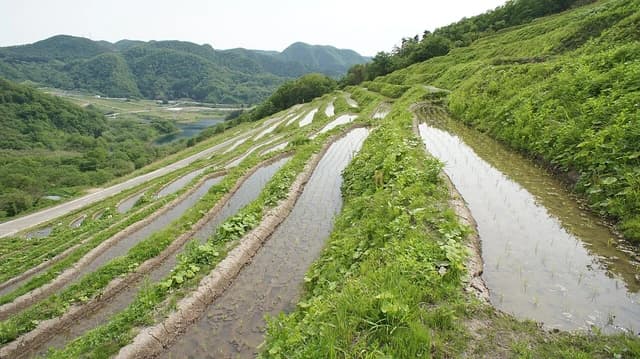
The immediate economic effect is pressure on farm incomes. With material costs still high, lower “provisional payments” would squeeze margins from two sides: weaker selling prices and stubbornly expensive inputs such as fuel, fertilizer and packaging. That combination tends to ripple through rural economies, where agriculture supports spending, machinery purchases and local services.
For consumers, however, softer rice prices are the kind of relief that policymakers often want to see after a stretch of broad food inflation. Japan’s overall consumer prices remain elevated by historical standards, even if the pace has eased, and cheaper rice would help blunt one of the most visible components of household grocery bills. In that sense, the rice glut is a disinflationary force in a country where food costs still shape public sentiment.

The data backdrop reinforces that pressure is not confined to Japan. Global agricultural prices have been mixed but firm enough to keep input and commodity markets sensitive to weather and supply shocks. U.S. producer prices are still running well above pre-pandemic levels, while crude oil around the mid-$80s a barrel keeps transport and farm energy costs from falling sharply. That makes the prospect of lower rice selling prices even more painful for growers: the revenue line is weakening just as costs remain sticky.
Investors should read this as a clear divergence trade. Rice consumers, food processors and retailers that buy grain are better positioned than growers, especially if the harvest swells inventories further and pricing power erodes. Suppliers tied to farm equipment, fertilizer and rural credit face a tougher margin environment if farmers delay spending. In contrast, companies exposed to lower raw-material costs could see a modest benefit if rice prices ease broadly across the supply chain.
The bigger narrative is that Japan’s rice market is moving from scarcity fear to oversupply reality. That shift usually takes time to fully show up in earnings, but once it does, it changes everything from farmer cash flow to policy pressure to the pricing assumptions embedded in the agri-food chain. If inventories are truly the highest ever, the burden of adjustment will fall on producers first — and the best investment position is to stay on the side of lower input costs and consumer relief, not farm price support.
| Entity | Gains | Losses |
|---|---|---|
| Rice buyers | ▲Lower procurement costs | ▼— |
| Consumers | ▲Cheaper staple prices | ▼— |
| Rice farmers | ▲— | ▼Lower crop income |
| Input suppliers | ▲— | ▼Softer rural spending |