Japan to buy back rice for stockpiles in September
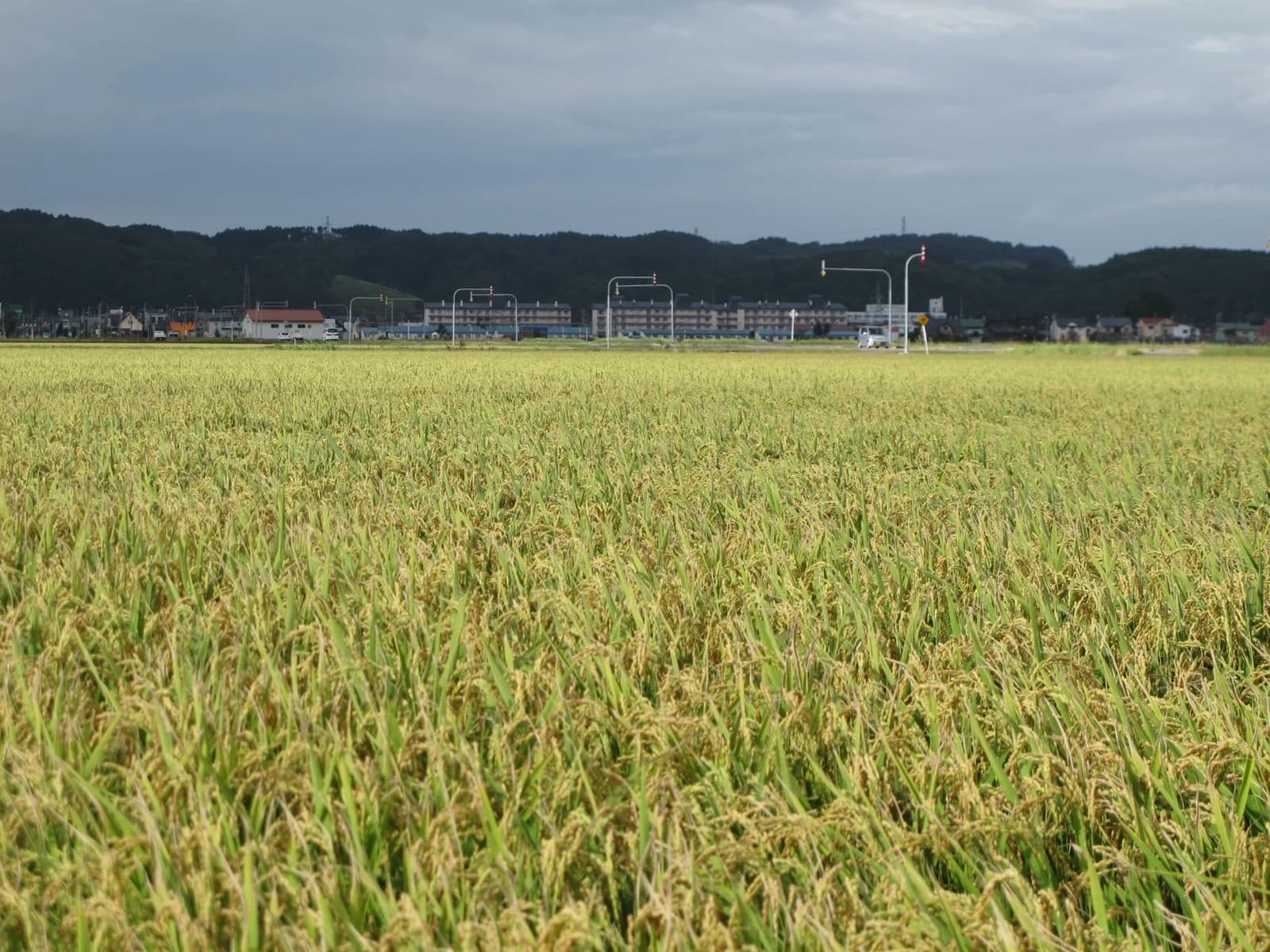
Japan is preparing to buy back rice for its stockpiles as early as September, a move that could steady a staple food market that has become unusually sensitive to weather, supply swings and policy shifts.
For investors, the significance goes beyond one crop. Rice is central to Japan’s food inflation picture, and any government intervention can ripple through retailers, processors, agricultural suppliers and even broader consumer spending. If Tokyo starts replenishing reserves after releasing more rice earlier this year, it would underscore how fragile the balance still is between keeping supermarket prices in check and supporting farm incomes.
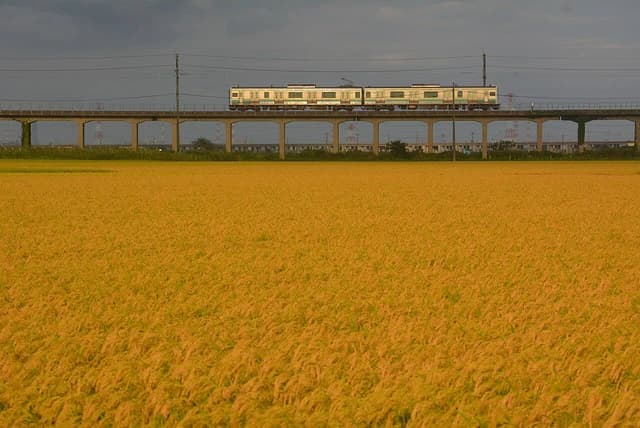
That tension matters economically because rice is not just another commodity in Japan; it is a politically important household expense and a barometer for food costs. Japan’s consumer price index has been elevated in recent readings, while producer prices remain far above pre-pandemic norms, leaving policymakers with limited room to absorb fresh food shocks. Against that backdrop, building stocks again would be an attempt to reduce the risk of another price spike later in the year.
The market implications are broader than the farm gate. Lower rice costs are already filtering through the retail channel, with convenience chains such as Lawson trimming rice ball prices as grain costs ease. That suggests consumers may finally be getting some relief, but it also shows how quickly pricing power can shift if government buying tightens supply again. For producers, stockpile purchases can provide a backstop; for buyers, they can limit the downside from falling prices.
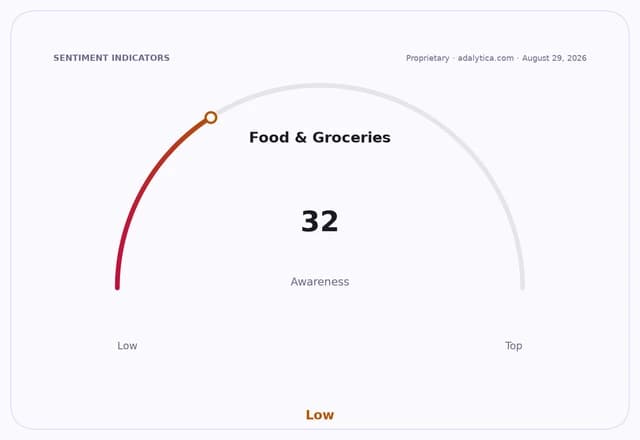
Agribusiness investors should also watch the indirect effects. Grain distributors, food makers and agricultural suppliers tend to benefit when policy supports stable volumes and predictable pricing, but the trade-off is that renewed stockpile buying can distort near-term supply signals. In the U.S., publicly traded agribusiness names such as Archer-Daniels-Midland and Bunge are more exposed to global crop flows than to Japan’s rice market, yet their businesses still live and die by government intervention, inventories and commodity price discipline.
The longer-term takeaway is that Japan appears intent on managing rice as a strategic food asset rather than leaving prices entirely to the market. That reduces the odds of disorderly shortages, but it also means rice prices may remain policy-driven and choppy. For investors, the cleanest lesson is to expect stability to come in fits and starts, not in a straight line.
| Entity | Gains | Losses |
|---|---|---|
| Japanese government | ▲Food inflation control | ▼Budget flexibility |
| Rice farmers | ▲Demand support | ▼Lower free-market pricing |
| Consumers | ▲Short-term supply stability | ▼Risk of firmer prices |
| Retailers and processors | ▲Predictable sourcing | ▼Margin pressure |