Japan Stocks Face Buyback and Flow Risks
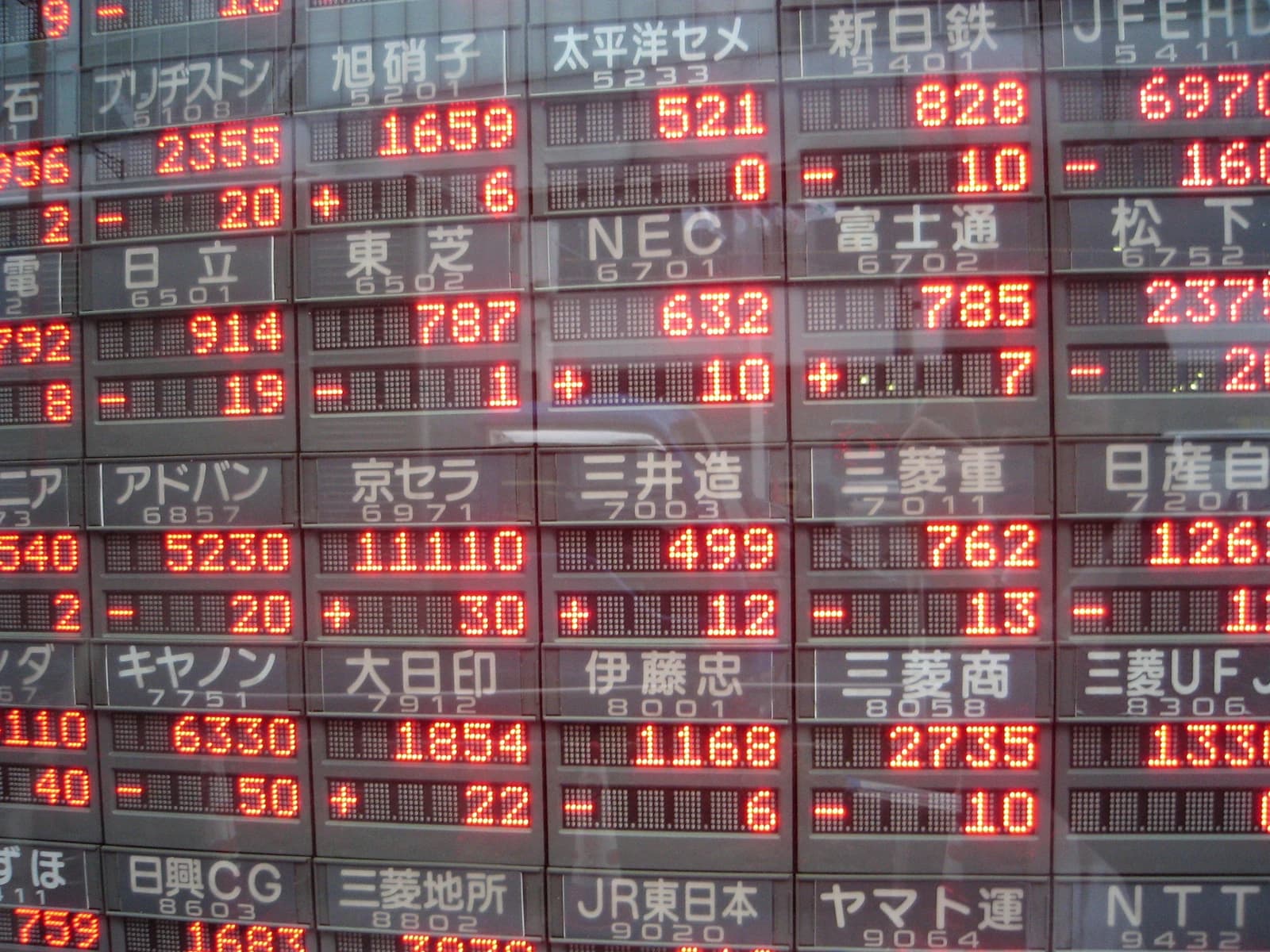
Japanese stocks may still have room to run, but the bigger risk now is that the same forces powering the rally could leave companies exposed when the cycle turns. Foreign investors have become the decisive marginal buyer of Japan’s market, and the concern among market professionals is that a reversal in overseas flows, combined with pressure for ever-larger buybacks and dividends, could strip companies of the capital they need to invest for the next decade.
That matters because Japan’s share surge is no longer just a story of better earnings. The Nikkei has climbed from 40,000 in March 2024 to 50,000 in October 2025 and above 70,000 by June 2026, while the yen remains historically weak and U.S. money has been rotating away from expensive domestic equities. In other words, Japan has benefited from a rare alignment of external tailwinds: foreign investors looking for a China substitute, a valuation gap versus the U.S. and a currency that makes Japanese assets look cheap in dollar terms.

The problem, as Richard Kaye argues in the supplied material, is that those tailwinds can turn quickly. If even one of them fades, the market’s foundation becomes less secure. If two reverse at once, the setback could be severe. That is why the debate in Japan is no longer about whether stocks can rise further — they clearly can — but whether the structure of that rise is healthy enough to survive a drawdown.
Investors should pay close attention to the second-order damage from the current enthusiasm for shareholder returns. Activist pressure and even policy rhetoric around return on equity and price-to-book ratios have pushed companies toward dividend hikes and buybacks. Some of that is justified, but blanket pressure to “optimize” balance sheets can starve firms of the cash they need for product development, market expansion and research. Those are the very investments that build Japan’s “non-financial assets” — the customer relationships, technical know-how and organizational depth that are hard to replace once lost.
That is the crux of the bear case on Japan’s market boom. Buybacks and dividends can mechanically support share prices, but they do not necessarily create new capital formation. If the money is recycled through public markets rather than into new investment, the system can end up rewarding current owners at the expense of future competitiveness. For investors, that creates a dangerous mismatch: a market that looks better on headline metrics while the operating backbone of corporate Japan slowly weakens.
The danger becomes more acute because many large investors are passive. Index funds are built to track benchmarks, not to intervene when fundamentals deteriorate. If Japan sells off sharply, those vehicles cannot readily become aggressive contrarian buyers, and they may be structurally unable to protect corporate franchises the way long-term active owners can. That leaves the market vulnerable to a more disciplined and better-capitalized buyer: foreign strategic money with a clear mandate.
This is where the investment case gets more interesting. The same environment that makes the broad market vulnerable could create unusually attractive entry points in the companies that actually compound through the cycle. Exporters, firms with strong pricing power, and businesses with genuine technological or brand moats should be able to withstand foreign-flow volatility better than balance-sheet stories built on financial engineering. The recent strength in exchange-traded funds such as EWJ and DXJ shows how investors have been leaning into the Japan trade, but those vehicles still expose holders to the macro risk of a crowding unwind.
There is also a currency angle that investors cannot ignore. The yen remains under pressure, and the Adalytica trade snapshot shows “extreme fear” in the currency gauge even as U.S. rates stay elevated around 3.6% to 3.63% on the fed funds path and the 10-year Treasury is near 5%. That combination keeps global capital chasing yield and relative value, but it also leaves Japan’s market dependent on a fragile cross-border carry trade narrative.
My view is that the market underestimates how quickly the psychology around Japan can flip. A Nikkei at 100,000 yen would not simply be a triumph of valuation rerating; it would likely intensify the very pressures that worried Kaye — more buybacks, more passive ownership, more foreign influence and less patience for long-cycle investment. That is why the smartest money should not just chase the index. It should own the toll roads, not the traffic.
If you want exposure, focus on the companies that can turn capital into durable operating advantage, not the ones merely optimizing capital returns for the next quarter. The rally may continue, but the real opportunity is in owning Japanese businesses that can keep investing when the crowd eventually stops cheering.
| Entity | Gains | Losses |
|---|---|---|
| Foreign activists | ▲Higher buybacks, dividends | ▼Long-term reinvestment |
| Passive index funds | ▲Track benchmark rally | ▼Flexibility in downturns |
| Japanese companies with R&D/capex needs | ▲None from forced returns | ▼Growth capital |
| Long-term active investors | ▲Potential mispricing opportunity | ▼Nothing if rally extends |