Japan's Takaichi says food tax cut funding is secured
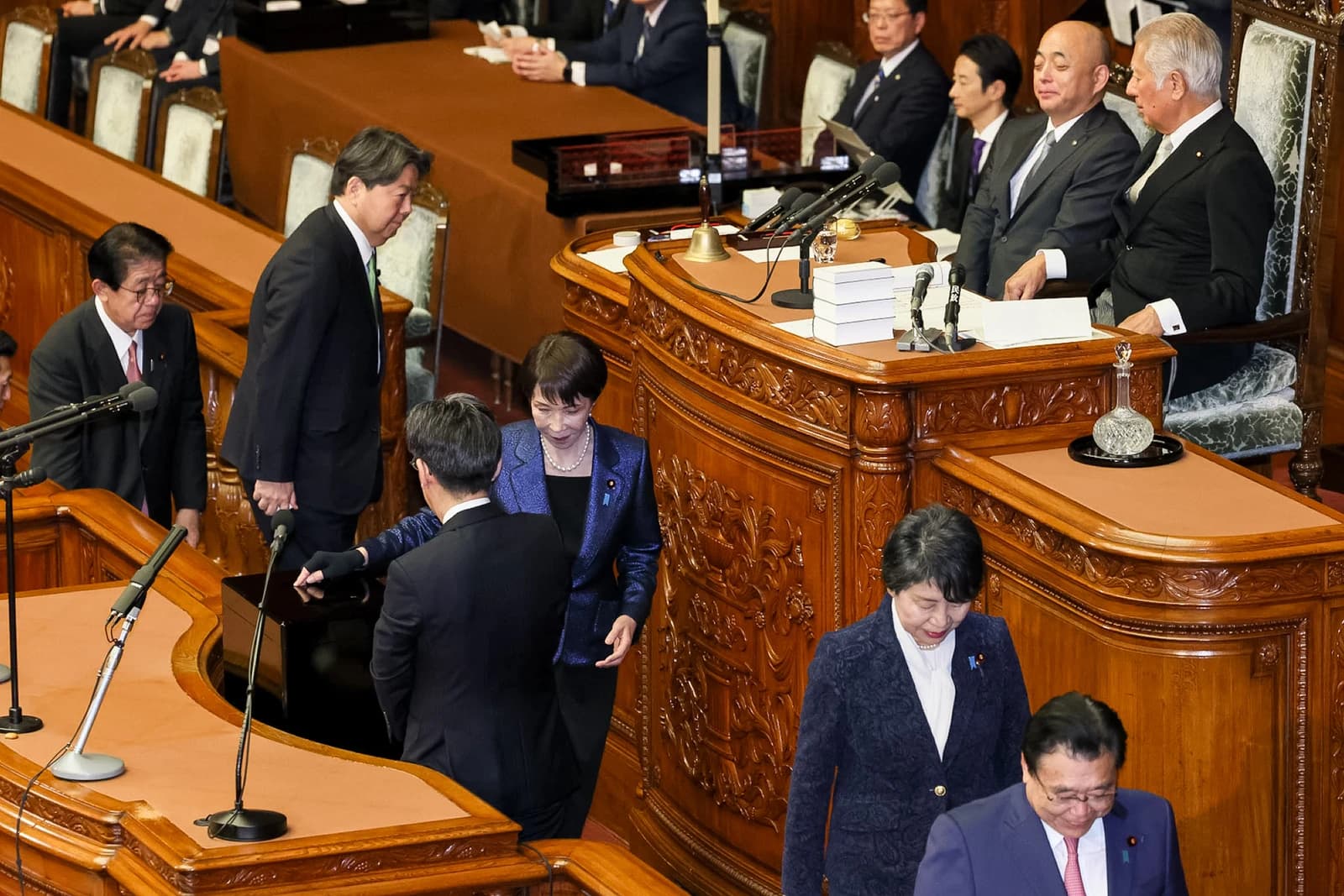
Prime Minister Sanae Takaichi said Japan has already lined up funding for a planned cut in the sales tax on food, signaling that her government intends to press ahead with expansionary fiscal policy without leaning on extra bond issuance.
The pledge matters because the proposed relief package, estimated to cost about 5 trillion yen a year, sits at the center of Takaichi’s economic platform and will test whether markets believe Tokyo can combine tax cuts with fiscal discipline. Investors have been watching closely for signs that the new administration’s “responsible active fiscal policy” could put more pressure on Japan’s already heavy public debt burden and, by extension, on bond yields and the yen.
Takaichi told reporters the financing outlook was “firm” and said there was “no need to worry,” adding that the government would secure the money without relying on special deficit bonds in order to maintain market confidence. The announcement came after the launch of her second reshuffled cabinet, underscoring that fiscal stimulus remains a political priority even as Japan faces a fragile growth outlook and persistent cost-of-living pressure.
The food tax cut is due to begin in April and would lower the consumption tax rate on food to 1%, accompanied by cash handouts. But the latest tax reform outline did not spell out the funding source, leaving the details to the year-end budget process. That gap is important for bond investors because any ambiguity over financing tends to translate into greater scrutiny of government borrowing plans and fiscal credibility.
The government is also seeking to move ahead with another politically sensitive pledge: reducing the number of seats in the lower house. Takaichi said the measure was part of the ruling bloc’s election platform and vowed to work seriously toward passage in an upcoming extraordinary Diet session expected in October.
For markets, the immediate question is whether Takaichi can keep both promises alive at once: deliver tax relief to support household spending while avoiding a deterioration in Japan’s fiscal math. The yen and Japanese equities have already shown how sensitive they are to shifts in fiscal and policy expectations. EWJ, the iShares MSCI Japan ETF, has climbed to about 97, above its 50-day and 200-day moving averages, reflecting firmer risk appetite toward Japanese assets, while the dollar-yen rate has remained elevated around 156.85, a level that still leaves the currency vulnerable to policy and yield differentials.
There is also a political dimension. Cutting food taxes is popular with households and could help cushion inflation, but it narrows the state’s revenue base at a time when Japan is trying to manage aging-related spending and higher borrowing costs. The lower-house seat reduction, meanwhile, is meant to signal political reform and government efficiency, but it could face resistance in parliament and complicate coalition management.
The near-term catalyst is the extraordinary Diet session, where lawmakers will begin shaping the legislation and revealing how much fiscal room Takaichi really has. If the government convinces investors that the tax cut can be funded without destabilizing debt dynamics, Japanese assets may keep benefiting from policy support. If not, the debate could quickly shift back to sovereign risk, currency weakness and the cost of financing Japan’s next round of stimulus.
| Entity | Gains | Losses |
|---|---|---|
| Households | ▲Lower food taxes | ▼Possible fiscal tightening later |
| Takaichi government | ▲Political support | ▼Budget flexibility |
| Japanese equities | ▲Stimulus hopes | ▼Fiscal-policy uncertainty |
| Yen | ▲None immediately | ▼Risk of weaker sentiment |