Japan’s finance chief is considering letting households hold Japanese government bonds in tax-free investment accounts while also reviewing the state pension fund’s portfolio, a sign policymakers are looking for new ways to absorb more government debt at home as bond markets turn less forgiving.
Japan weighs tax-free JGB access for households
The push matters because Japan is trying to keep financing costs contained at a time when global yields are elevated and domestic investors are being asked to take on more duration risk. The 10-year U.S. Treasury yield is around 4.58%, while the 2-year is near 4.22%, underscoring how stubborn rate pressures remain across developed markets and why Japan’s bond management has become more consequential.
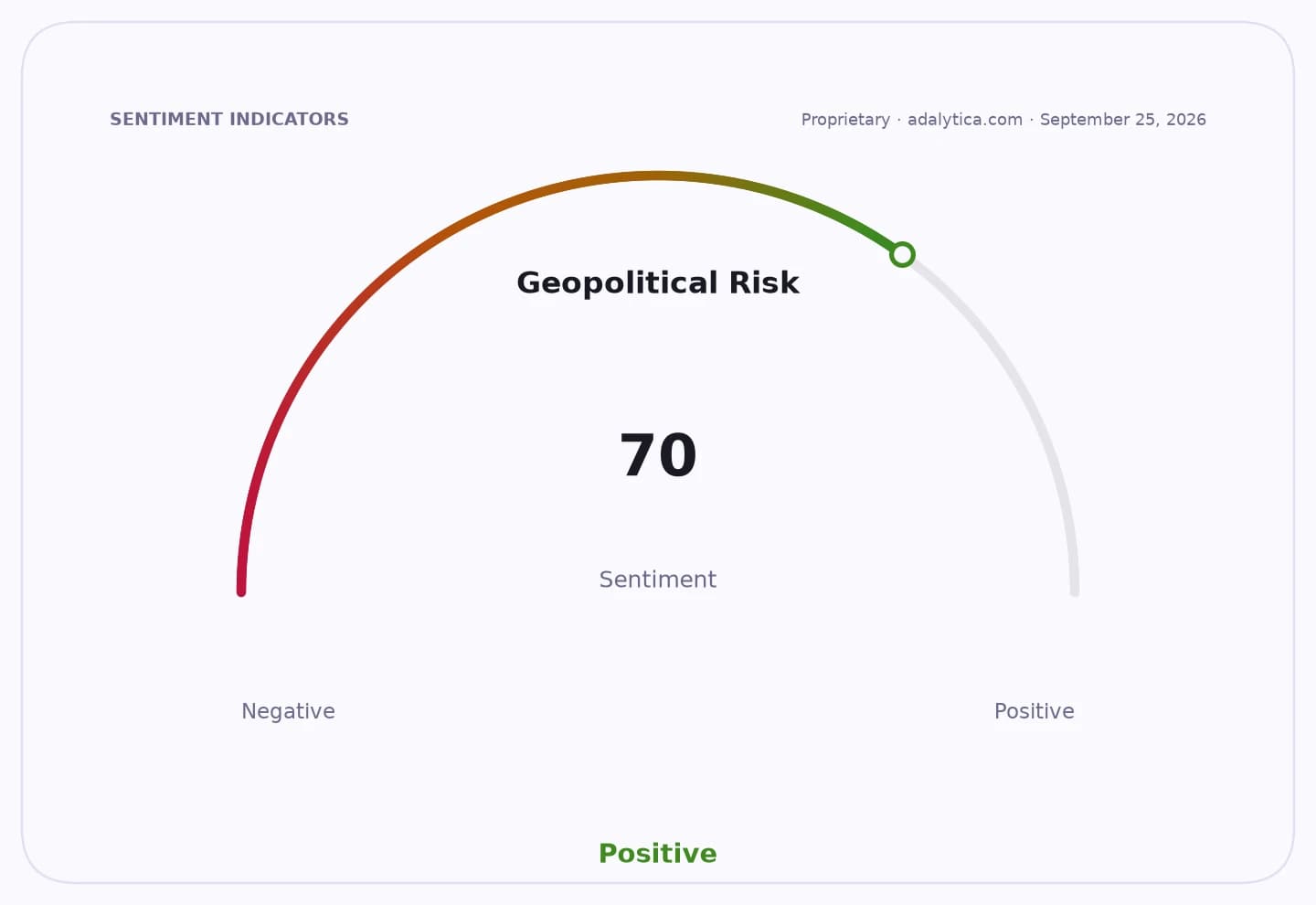
Sentiment IndicatorsⓘProprietary · adalytica.com · July 14, 2026
This is a snapshot — live sentiment, awareness and momentum for 130+ markets update continuously in the dashboard.Open AlphaPulse
For investors, the message is that Tokyo is weighing structural changes to direct household savings and institutional capital toward JGBs, potentially easing funding pressure for the government and supporting the domestic bond market. Any shift in the Government Pension Investment Fund’s asset mix would also ripple through Japanese equities, fixed income and currency flows because the GPIF is one of the world’s largest pools of retirement capital.
The yen’s recent trading reinforces the backdrop. The currency is around 162.31 per dollar, with standard technical indicators showing it above both its 50-day and 200-day moving averages, while RSI readings and MACD suggest the pair remains firm rather than exhausted. Japanese equity ETFs are also steady: EWJ closed at 92.72 and DXJ at 175.04 on the latest read, both well above their 200-day averages, signaling that markets are still treating Japan as a relatively supported trade despite currency volatility.
Adalytica’s Japanese yen trade signals show sentiment at 83, labeled greed, while awareness remains low at 17, a combination that points to crowded attention without broad participation. For policy makers, that raises the stakes for any move that changes how domestic savers and pensions allocate capital, especially if it helps stabilize JGB demand and reduces reliance on foreign buyers.
The next catalyst is whether the finance ministry turns the idea into a formal proposal and how far the GPIF review goes. Investors will be watching for any sign that Japan is preparing a larger shift in savings policy, one that could reshape demand for government bonds, the yen and Tokyo-listed financial assets.
| Entity | Gains | Losses |
|---|---|---|
| Japan government | ▲Easier JGB funding | ▼Higher reform pressure |
| Household savers | ▲Tax-free bond access | ▼Lower upside vs equities |
| GPIF | ▲Portfolio flexibility | ▼Political scrutiny |
| Foreign bond investors | ▲Potentially less supply stress | ▼Less marginal yield advantage |